

Introduction to Marine Safety Devices
In the world of maritime activities, ensuring the safety of all aboard is paramount. Marine safety devices play a critical role in safeguarding lives and property on water. These devices, ranging from life jackets to sophisticated electronic equipment, are designed to prevent accidents and facilitate rescue operations. Whether for recreational boating, fishing, or commercial shipping, the right safety equipment is invaluable for protecting lives in unpredictable marine environments.
Investing in marine safety devices is not just a regulatory necessity but a precautionary measure that provides peace of mind. These tools aid in navigating the waters safely and efficiently, offering essential support when unforeseen challenges arise. In an industry where safety cannot be compromised, understanding the importance and function of these devices is crucial for anyone venturing onto the water. According to a study by the United States Coast Guard, proper safety gear can significantly reduce the number of boating fatalities each year.
Recognizing the profound impact of marine safety devices on accident prevention, we delve deeper into how these essential tools transform maritime experiences, save lives, and contribute to sustainable practices at sea.
Understanding Marine Safety Devices
Marine safety devices are essential tools designed to ensure the safety of individuals and vessels navigating water bodies. These devices encompass a wide range of equipment, from basic life jackets to sophisticated electronic systems, each serving a specific purpose in maritime safety. Understanding their definition and importance is crucial for anyone involved in marine activities.
Definition and Importance
Marine safety devices are specialized equipment used to prevent accidents and facilitate rescue operations in various water-based environments. Their importance is underscored by their ability to save lives and minimize damage during emergencies. For instance, life jackets, a fundamental safety device, provide buoyancy that keeps individuals afloat in the event of capsizing or falling overboard. Additionally, emergency position-indicating radio beacons (EPIRBs) and personal locator beacons (PLBs) are critical in locating distressed vessels quickly, thereby reducing response times during rescue operations.
Key Functions and Roles
The core function of marine safety devices is to enhance the safety of maritime operations. Devices such as flares and sound signaling equipment are used to alert nearby ships or rescue teams of emergencies. Flares are particularly effective in signaling distress during low visibility conditions or at night. Another vital category of safety equipment includes fire extinguishers and bilge pumps, which help manage onboard incidents such as fires or water ingress.
Furthermore, navigation lights play a pivotal role in preventing collisions. Each vessel is required to display specific lights based on its type, size, and status of operation, ensuring visibility to other vessels. Additionally, radar reflectors improve the detectability of smaller vessels by radar systems, thereby aiding navigation in foggy or low-visibility conditions.
Advanced marine safety devices like Automatic Identification Systems (AIS) provide real-time vessel tracking information, facilitating collision avoidance and improving maritime situational awareness. These systems are crucial for busy shipping lanes and ports where vessel traffic management is essential for safety. According to a study by the National Marine Electronics Association, integrating these technologies can significantly reduce the risk of maritime accidents.
Understanding and properly maintaining marine safety devices ensures their reliability when most needed. Regular inspections and compliance with safety regulations are essential to maximizing their effectiveness. By prioritizing these measures, maritime operators and recreational users can significantly enhance their resilience against potential hazards and contribute to safer marine environments.
Types of Marine Safety Devices
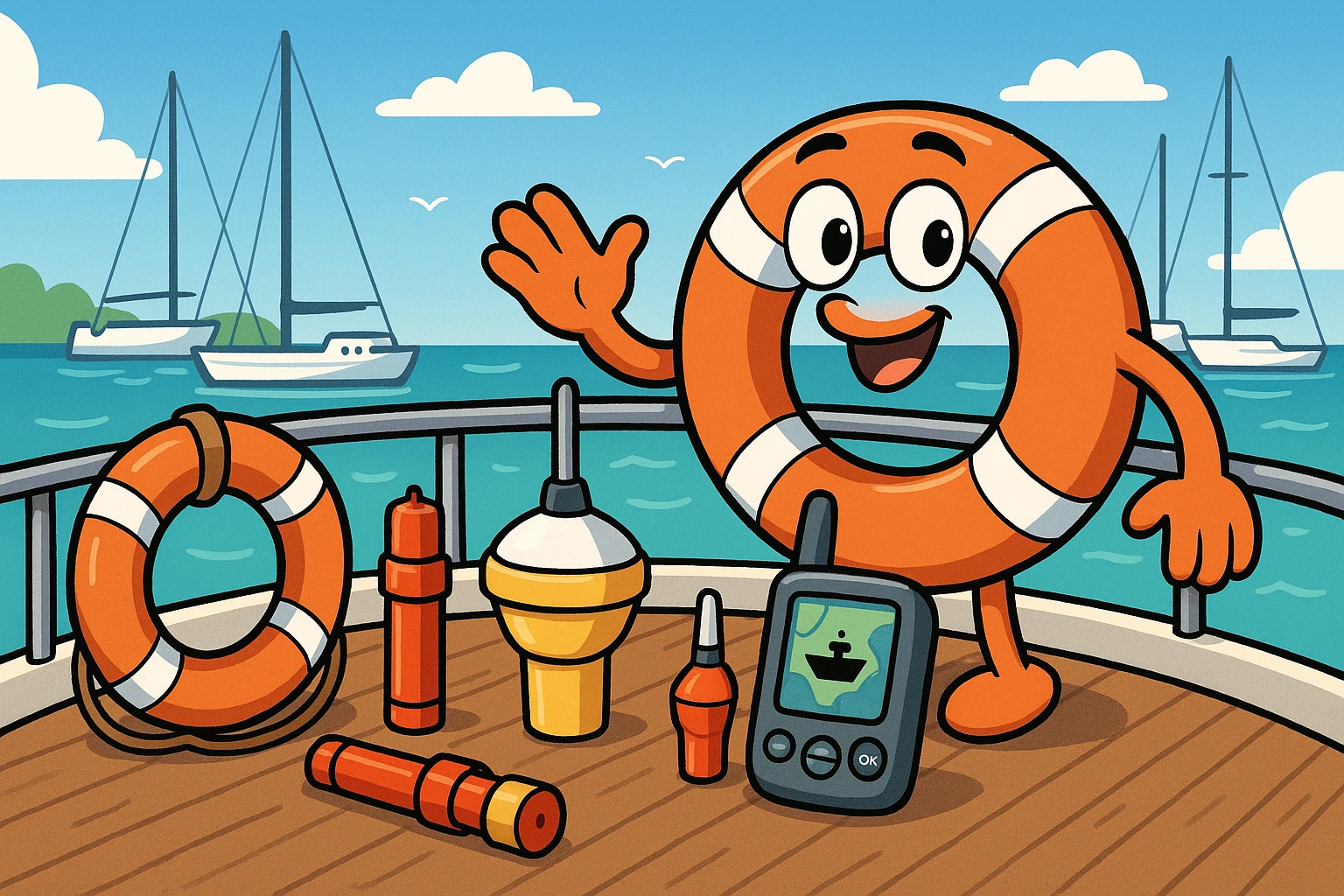
Marine safety devices are essential for safeguarding those traveling by water. These devices can be categorized into several key types, each serving distinct functions and purposes on board vessels. Understanding these categories helps in selecting the right equipment for specific maritime activities.
Personal Flotation Devices (PFDs)
Personal flotation devices, commonly referred to as life jackets, are designed to keep individuals afloat in water. They are required by law on most boats and come in various types, including offshore life jackets and near-shore buoyant vests. Offshore jackets provide significant buoyancy and are suitable for rough waters, while near-shore vests are ideal for calm, inland conditions. Each PFD type is designed to cater to specific environments and activities.
Signal Devices
Signal devices include tools such as flares, dye markers, and sound-signaling equipment. These are crucial for attracting attention during emergencies. Flares come in various forms, including handheld or aerial, and are effective in low visibility situations. Dye markers, meanwhile, color the water to signal aircraft and rescuers, enhancing visibility from above. Proper signal devices can dramatically aid rescue efforts when combined with advanced communication tools like Emergency Position-Indicating Radio Beacons (EPIRBs).
Fire Safety Equipment
Fire extinguishers are mandatory on all vessels and vary depending on the size and type of boat. These devices are essential for tackling onboard fires promptly. Additionally, smoke detectors and fire blankets increase safety by providing early warnings and additional control measures. Proper fire safety equipment is critical for avoiding disasters that can arise from electrical failures or galley mishaps.
Navigation Aids
Navigation aids, such as electronic chart systems and Automatic Identification Systems (AIS), enhance maritime safety by providing real-time location information. These systems help in preventing collisions and are indispensable, especially in busy shipping lanes. According to Marine Insight, these tools not only aid in navigation but also improve overall situational awareness and coordination with other vessels.
Utilizing the right marine safety devices is critical for any maritime operation. Companies like Atticus Goods offer a range of marine products that integrate seamlessly with these safety solutions, supporting safer navigation and onboard management. Adopting comprehensive safety practices ensures a secure and efficient maritime environment.
Regulations and Requirements for Marine Safety Devices
Adhering to regulations and requirements for marine safety devices is essential for ensuring not only compliance but also the safety of all occupants on a vessel. Various international and national bodies, such as the International Maritime Organization (IMO) and the United States Coast Guard (USCG), set mandatory standards that must be met by all maritime operators.
Legal Standards and Compliance
The IMO's SOLAS (Safety of Life at Sea) Convention outlines the minimum safety standards essential for marine safety devices. This includes fire safety measures, life-saving appliances, and navigational requirements that ensure vessels are adequately equipped in case of emergencies. For instance, all commercial vessels over a certain size must be equipped with life rafts and personal flotation devices (PFDs) of specific capacities and types. In the United States, the USCG mandates that each boat must carry a specified number of PFDs, as determined by the vessel's capacity and area of operation. Failure to adhere to these regulations can result in fines and increased liability.
Inspection and Maintenance Guidelines
Regular inspection and maintenance of marine safety devices are critical for their reliability and functionality. Devices such as fire extinguishers and emergency flares must be regularly checked and replaced following their expiration dates. According to maritime safety experts, visual inspections should be conducted before every voyage, while comprehensive checks should occur at regular intervals, typically every six to twelve months. This process includes verifying the integrity of life jackets, ensuring signal devices are operational, and confirming the responsiveness of electronic equipment such as Emergency Position-Indicating Radio Beacons (EPIRBs). For detailed guidelines and best practices, resources like USCG Boating Safety offer comprehensive support.
By understanding and implementing these standards, maritime operators not only comply with legal obligations but also enhance overall safety at sea. Establishing a routine for inspection and maintenance can prevent equipment failure during critical moments, thereby protecting lives and minimizing potential accidents. While marine safety devices are essential, ensuring their efficacy through compliance and regular upkeep is equally vital for safeguarding those on board.

Conclusion
As maritime activities continue to expand globally, the importance of marine safety devices cannot be overstated. Whether for commercial shipping or leisurely boating, these devices provide necessary protection and peace of mind. Prioritizing safety not only guards against potential disasters but also enhances the overall efficiency and success of maritime operations.
For maritime operators and boating enthusiasts alike, the next step is to evaluate your vessel's safety equipment needs carefully. Determine which devices are most appropriate for your specific activities and environments. Ensuring your equipment meets industry standards and regulations is crucial, as is establishing a regular maintenance schedule to keep devices in optimal condition. These actions not only comply with legal requirements but significantly elevate the safety of all on board.
Additionally, staying informed about the latest advancements in marine safety technology can offer enhanced protection and capabilities. Investing in modern solutions such as automatic identification systems (AIS) and emergency beacons can dramatically improve emergency response times and navigation safety. Continually upgrading your safety devices ensures that you are utilizing the best available technologies to safeguard lives and property at sea.
For comprehensive support in purchasing reliable marine safety devices, consider exploring options like Atticus Goods. They offer a range of products designed to integrate seamlessly with existing safety measures, providing top-tier support for all maritime needs. Whether you are updating an existing vessel or equipping a new one, choosing quality equipment is an investment in safety.
In conclusion, marine safety devices are essential allies in the pursuit of safe and efficient maritime activities. By selecting the right equipment, maintaining regular checks, and keeping abreast of technological advancements, you can ensure a safer journey for yourself and others on the water.