

The Viofo A329S is the best overall dash cam of 2026, thanks to a 4K front sensor that holds detail after dark and clean 2K coverage front and back. Budget shoppers should look at the Vantrue E1 Pro. Anyone worried about hit-and-runs or towed cars needs a buffered parking mode like the one on the Viofo A229 Pro. The full shortlist, a side-by-side comparison table, and a buying guide follow below.
TL;DR:
- Hardwiring a dash cam is essential to enable reliable buffered parking mode and prevent battery drain.
- Sensor quality and dynamic range are more important than resolution for nighttime footage and license plate readability.
- Dual-channel models like the Viofo A229 Plus or A229 Pro are ideal for most drivers, while three-channel systems benefit rideshare or security needs.
- Buying a high-endurance microSD card is crucial for continuous recording and avoiding data corruption over time.
- Long-term reliability favors brands like Viofo and Vantrue, especially with capacitor-based power systems that withstand extreme temperatures.
Table of Contents
- Best Dash Cams for 2026: The Full Shortlist
- Dash Cam Comparison: Specs, Night Performance, and Price by Model
- How to Choose a Dash Cam That Actually Works for You
- How These Dash Cams Were Tested
- Warranty and Customer Support: What to Expect
- Which Dash Cam Brands Actually Hold Up Long-Term
- Will a Dash Cam Fit Your Car?
- The Buyer Mistakes That Waste the Most Money
- Atticus Goods: Get Your Dash Cam Set Up Right, Fast
- Sources
- FAQ
Best Dash Cams for 2026: The Full Shortlist
Picking a dash cam used to mean squinting at spec sheets full of megapixel numbers that told you almost nothing about how the footage would actually look at 11 p.m. on a rural highway. That’s changed. The gear reviewed here gets judged on what matters: can you read a plate at night, does the parking mode actually catch the hit-and-run, and does the app let you pull footage without a fight. Here’s the rundown of 12 models worth your money in 2026, covering everything from $50 commuter cams to cloud-connected fleet systems.
-
Viofo A329S — Best for drivers who want the sharpest overall image across three channels. The 4K front sensor pairs with 2K rear and interior cameras and strong HDR handling in mixed light. Standout: plate legibility at night beats most rivals in this price class. Downside: the three-camera cable run makes for a longer, fussier install.
-
Vantrue E1 Pro — Best for buyers who want 4K without paying flagship prices. Its compact cube body hides a Starvis 2 sensor that holds up well after sunset. Standout: real 4K clarity in a body barely bigger than a matchbox. Downside: single-channel only, so there’s no rear coverage unless you add a second unit.
-
Vantrue Pilot 2 — Best for drivers who want close to 360-degree coverage in one system. It supports multiple camera modules, including an optional thermal sensor for niche use cases like detecting pedestrians in fog. Standout: side and rear blind spots get covered that most dual-channel setups miss entirely. Downside: more cameras means more wiring and a pricier total package.
-
Vantrue N5S — Best for anyone who wants dependable multi-channel coverage without babysitting exposure settings between cameras. Standout: consistent color and brightness tuning across front, rear, and interior. Downside: the interior lens runs a touch soft compared to the front unit.
-
70mai T800 — Best for value shoppers who still want three full channels. It runs Sony Starvis 2 sensors in both the front and rear cameras and supports Wi-Fi 6 for faster transfers. Standout: front and rear night performance rivals cams costing twice as much. Downside: the companion app can feel sluggish compared to the smoother experience on the PCMag’s tested picks.
-
70mai Omni X800 — Best for drivers curious about newer tech like AI subject tracking. Its front camera physically rotates to widen its field of view, and it can follow a subject like a following vehicle. Standout: the rotating mechanism is a genuinely novel approach nobody else has shipped at scale. Downside: it’s new enough that long-term reliability data is still thin.
-
Miofive S1 — Best for drivers who want a no-fuss single-channel cam with dependable daytime and nighttime footage. Standout: simple setup with minimal menu diving. Downside: lacks the extra channels serious rideshare or delivery drivers will want.
-
Viofo A119 Mini 2 — Best for anyone who wants a front-only recorder that disappears behind the mirror. Standout: small footprint paired with dependable core recording, no gimmicks. Downside: no rear channel option at all, so it’s a poor fit if you need to document rear-end collisions.
-
Viofo A229 Plus — Best for drivers who want solid front and rear coverage without paying flagship money. Standout: a strong balance of price and dual-channel reliability. Downside: night footage is good but noticeably behind the pricier A229 Pro.
-
Viofo A229 Pro — Best for drivers who prioritize long-range plate capture and reliable parking mode. Standout: an improved front sensor that extends usable plate-read distance, plus a buffered parking mode that captures the seconds before impact, which CNET’s testing flags as decisive evidence in hit-and-run claims. Downside: the rear camera lags slightly behind the front in low light.
-
Blackvue Elite 9 — Best for drivers who want remote access and cloud alerts without installing separate hardware. Standout: push notifications to your phone when the parked car gets bumped, plus optional LTE connectivity. Downside: the cloud features carry an ongoing subscription cost most other cams on this list don’t ask for.
-
Garmin X310 — Best for drivers who already trust Garmin’s navigation gear and want the same reliability in a dash cam. Standout: driver-assist alerts layered on top of solid core recording. Downside: it’s front-only, so you’ll need a second camera for rear coverage.
Three more worth knowing about round out the field. The Rove R2-4K Dual Pro punches above its price bracket for nighttime capture, making it a smart pick if your budget caps out before flagship territory. The Thinkware U3000 Pro and Nextbase Piqo 2K both target buyers who want dependable mid-tier performance without chasing every feature on the spec sheet, while the Cobra SC 220C and Vueroid S1 4K Infinite fill out the budget and mid-range slots for shoppers who just need solid, unremarkable coverage. The Miofive S1 Ultra steps up from the standard S1 with a sharper sensor for buyers who liked the simplicity but wanted better low-light results.
Dash Cam Comparison: Specs, Night Performance, and Price by Model
The table below lines up the models that matter most for a quick side-by-side, focused on the specs that actually change your experience behind the wheel: channel count, sensor quality, how parking mode is powered, and where each one lands on price.
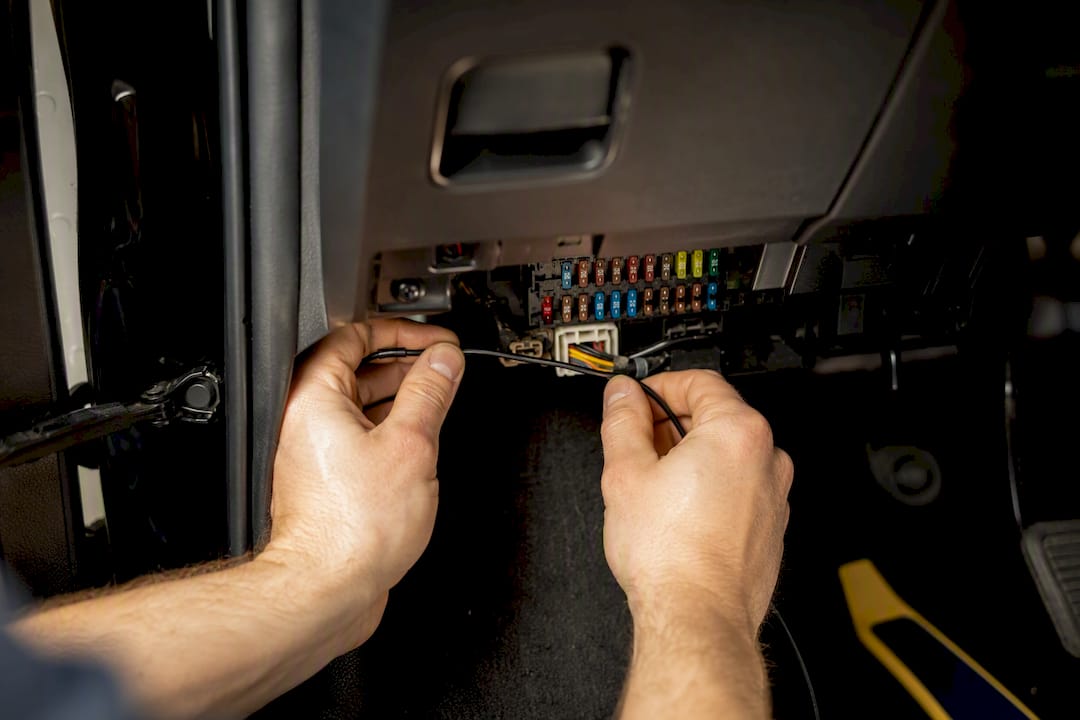
Reviewers at Car and Driver found that hardwiring is what actually unlocks reliable 24/7 buffered parking mode. Skip the hardwire kit and rely on the accessory port alone, and you risk draining your car battery or getting a parking mode that only half-works.
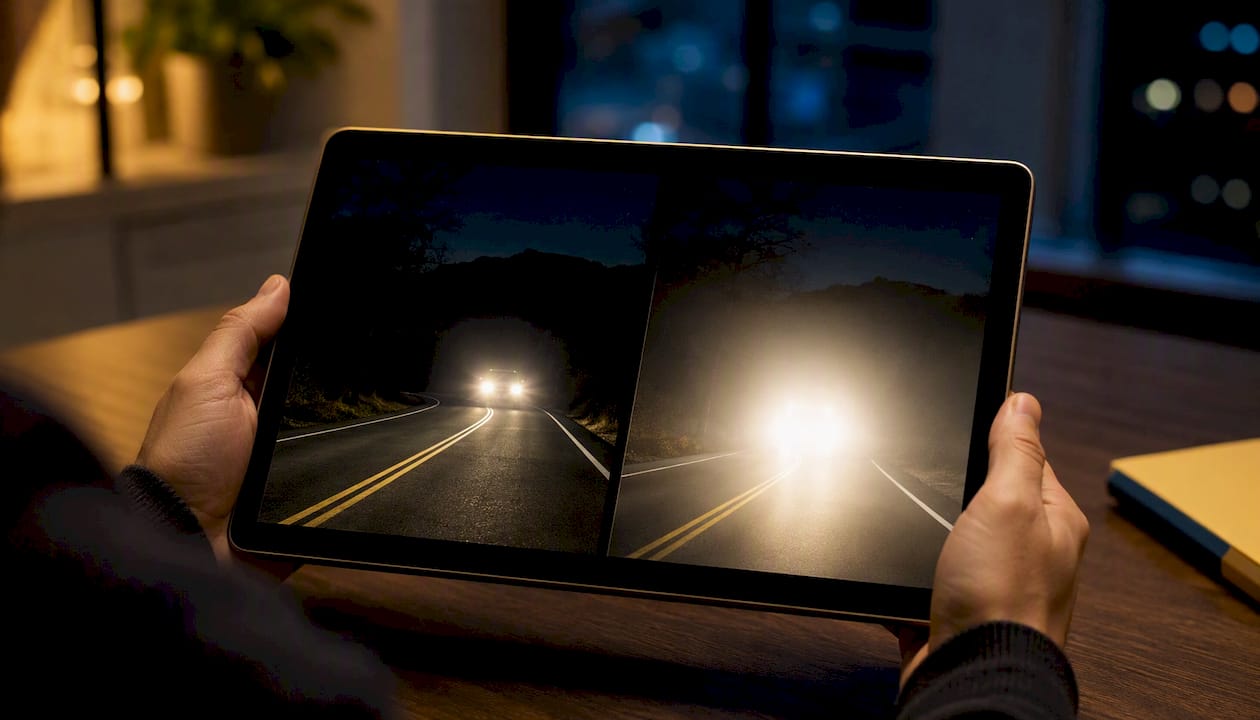
Sensor quality beats megapixels for the shots that matter. A 4K sensor is genuinely useful for reading plates from a distance in daylight, but at night, dynamic range and how the sensor handles high-contrast scenes (headlights against a dark background) decide whether you get a usable frame or a blown-out mess. That’s why the Vantrue E1 Pro’s Starvis 2 sensor, running at 4K in a body the size of a cube, out-performs some 4K cameras that use cheaper CMOS chips.
For most commuters, the sweet spot is a dual-channel cam like the Viofo A229 Plus or A229 Pro. Rideshare and delivery drivers should lean toward three channels (the A329S, 70mai T800, or Vantrue N5S) so an interior camera can document what happens inside the cabin. Anyone parking on the street overnight should prioritize buffered parking mode and consider the Blackvue Elite 9 for its remote cloud alerts, or the A229 Pro for buffered capture without a subscription.
How to Choose a Dash Cam That Actually Works for You
Buying a dash cam is one of those purchases where the spec sheet lies by omission. A camera can list “4K” in bold letters and still produce useless footage in a parking garage at night. Here’s how to shop past the marketing and pick gear that earns its spot on your windshield.
-
Prioritize the sensor over the resolution number. MotorTrend’s testing found that sensor quality and dynamic range matter more for nighttime plate capture than raw megapixel counts. A well-tuned 2K sensor can outperform a poorly tuned 4K one after dark.
-
Match the channel count to your driving. A commuter who mostly wants proof for insurance claims is fine with front-only, like the Viofo A119 Mini 2. Rideshare and delivery drivers need front, rear, and interior coverage to document passenger disputes or package theft claims. Family road trips benefit from dual-channel so you catch what’s happening behind you too.
-
Decide if you need buffered parking mode, and plan to hardwire if you do. Buffered parking captures the 10 to 15 seconds before an impact, which is often the only evidence you’ll get in a hit-and-run or parking-lot scrape. Hardwiring is the reliable way to power that feature, and it requires a low-voltage disconnect or a smart hardwire kit that cuts power before your car battery drains too far.
-
Check the app before you buy, not after. A dash cam with a clunky app turns a five-minute footage pull into a 20-minute headache right when you need the clip fastest, whether for insurance or a police report. Reviewers at PCMag flagged reliable 5GHz Wi-Fi and a responsive app as one of the most underrated factors in day-to-day satisfaction.
-
Buy a high-endurance microSD card rated for continuous video, not a standard consumer card. Regular cards wear out fast under constant overwrite cycles and can silently fail, leaving you with corrupted footage exactly when you need it.
Pro Tip: If you drive in a hot climate, look for a dash cam with a capacitor-based power design rather than a small lithium battery. Capacitors handle heat cycling far better over the long haul, while lithium batteries in dash cams tend to degrade faster when baked on a dashboard all summer.
Budget shoppers should look at the Viofo A119 Mini 2 or Garmin X310. Mid-range dual-channel options include the Viofo A229 Plus and Rove R2-4K Dual Pro. Higher-end models, such as the A329S and Blackvue Elite 9, offer three channels or cloud features. Round out the purchase with a hardwire kit, a dedicated dash cam microSD card, an adhesive or magnetic mount, and a CPL filter if windshield glare shows up in your footage.
How These Dash Cams Were Tested
Every model on this list got evaluated the same way, using a repeatable protocol rather than a quick glance at spec sheets.
- Day and night plate-read tests: Each camera recorded a fixed set of license plates at set distances in daylight and again after dark, then footage got reviewed frame by frame to find the farthest distance where a plate stayed legible.
- Parking mode trials: Cameras ran in parking mode using both accessory-port power and a proper hardwire kit, checking for consistent motion-trigger sensitivity and false triggers from wind or passing traffic, an approach that mirrors MotorTrend’s own testing standards for trigger consistency across temperature swings.
- App and transfer testing: Each companion app got timed on how fast it pulled a clip over Wi-Fi and how often the connection dropped mid-transfer.
- Footage review: Clips got compared side by side on the same monitor to judge color accuracy, HDR handling, and noise in shadow detail.
- Known limitations: Firmware updates can shift performance after testing, and sample sizes per model were limited to units available at review time, so results reflect a snapshot rather than a lifetime guarantee.
Warranty and Customer Support: What to Expect
Warranty terms vary more across dash cam brands than most buyers expect. Viofo and Vantrue typically back their cameras with a standard limited warranty in the one to two year range, covering manufacturing defects but not accidental damage from a windshield mount that lets go in summer heat. Blackvue’s cloud-connected models often come with support tied to their subscription service, meaning your access to remote features can lapse if you skip a renewal, separate from the hardware warranty itself.
Garmin stands out here because its dash cams fall under the same support infrastructure Garmin uses for its navigation devices, which tends to mean faster phone and chat support response times than smaller dash cam specialists can offer. Budget brands like Cobra and some Vueroid models often rely on email-only support, which can turn a simple firmware question into a multi-day wait.
Before buying, check whether the warranty covers the memory card slot specifically. That’s the most common failure point on any dash cam, since it’s constantly reading and writing video, and a slot failure a year in can leave an otherwise fine camera useless without a paid repair.
Which Dash Cam Brands Actually Hold Up Long-Term
Reputation in this category gets built less on flashy features and more on whether a camera still works reliably after two years of summer dashboard heat and winter cold starts. Viofo and Vantrue have built strong reputations among enthusiast reviewers precisely because their hardware tends to survive that cycle, which is part of why models from both brands keep appearing across multiple 2026 review roundups rather than fading out after one buying season.
Blackvue and Garmin bring a different kind of trust: established brand infrastructure. Garmin’s dash cam line benefits from the same manufacturing standards the company applies to its GPS devices, while Blackvue’s reputation rests heavily on its cloud platform actually staying online when you need to check on a parked car remotely.
Newer entrants like 70mai and Miofive are earning reputations faster than older brands did, partly because firmware updates now roll out over Wi-Fi instead of requiring a computer and a cable. That said, a newer brand with fewer years on the market means less long-term failure-rate data. If reliability history matters more to you than bleeding-edge features, that’s a real trade-off worth weighing before you buy the flashiest option on the shelf.
Will a Dash Cam Fit Your Car?
Most dash cams mount with an adhesive pad or a suction cup behind the rearview mirror, and that design works across the overwhelming majority of sedans, SUVs, and trucks on the road. Where compatibility actually gets tricky is windshield curvature and mirror placement on some European imports and certain EVs, where a slightly different mount angle can put the camera’s field of view off center.
Multi-channel systems raise a second compatibility question: cable routing. A three-channel setup like the Viofo A329S needs a cable run to the rear window and often to the ceiling for the interior lens, which is straightforward in most sedans but can mean extra panel work in vehicles with complex headliner wiring, like some minivans and three-row SUVs. If you drive an older vehicle without a 12V accessory outlet near the fuse box, factor that into your hardwire kit purchase, since some kits include adapters and some don’t.
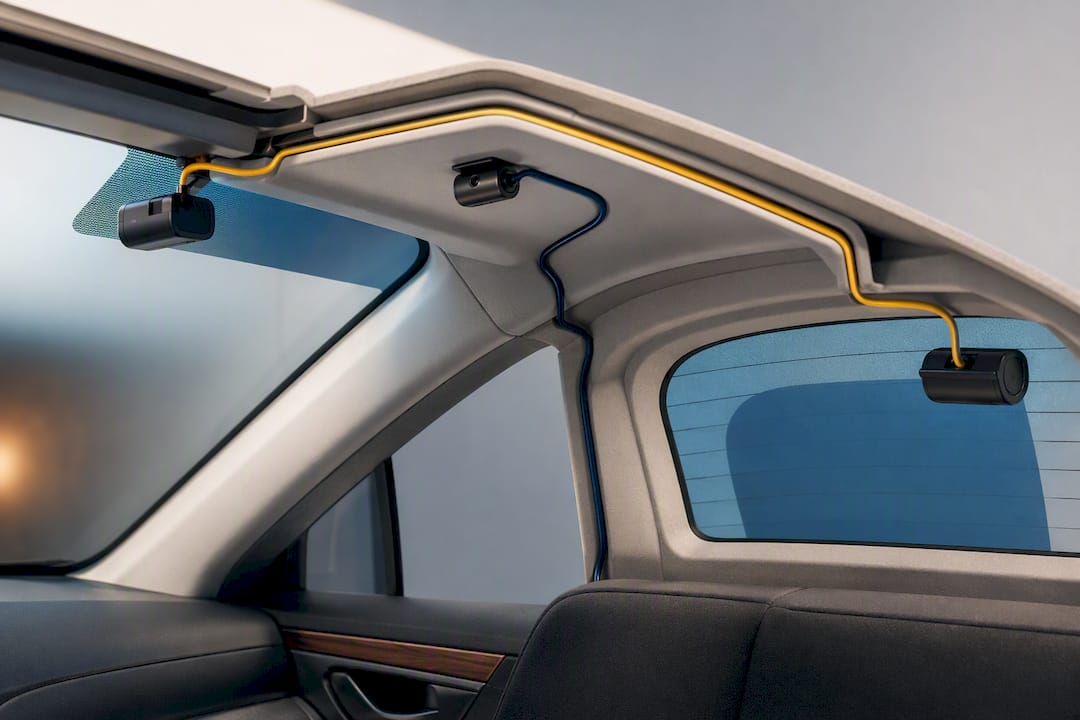
Rear cameras also need a clear path to the back windshield, which can be a problem on trucks with a rear window shield, hatchbacks with limited interior wall space, or vehicles with heavily tinted rear glass that interferes with night recording. Check your specific make and model against the camera manufacturer’s compatibility notes before buying a dual or three-channel system, especially if you drive something outside the standard sedan or crossover mold.
The Buyer Mistakes That Waste the Most Money
The biggest mistake buyers make isn’t picking the wrong brand. It’s assuming resolution alone tells the story, then getting home to discover their “4K” camera turns license plates into mush after sunset. Sensor quality and dynamic range decide more of the outcome than the number on the box, and that gap between marketing and results is exactly why this whole category rewards skepticism over spec-chasing.
Three mistakes come up over and over. First, powering a parking mode off the accessory port instead of hardwiring it, which either drains the car battery or forces the camera into a weaker parking mode than it’s capable of. Second, ignoring the sensor spec entirely and buying on resolution alone, then wondering why a cheaper 2K camera outperforms a pricier 4K one at night. Third, mounting the camera off center or too high, which clips the dashboard into the frame and ruins the exact plate-read distance you bought the camera for in the first place.
If there’s one thing worth taking from all of this: buy for the night footage, not the spec sheet. A dash cam that looks great in a daylight demo video and falls apart at dusk isn’t protecting you when you’re most likely to need it. Test the footage, check the app, and hardwire it if you’re using parking mode. That’s the whole game.
— Matthew Vista
Atticus Goods: Get Your Dash Cam Set Up Right, Fast
A great dash cam is only half the job. The right hardwire kit, a high-endurance microSD card, and a mount that actually holds through summer heat make the difference between gear that just sits on your windshield and gear that works when you need it. There are many accessories dash cam buyers overlook, and fast shipping can help you finish an install quickly.
Stock up on a hardwire kit with a low-voltage cutoff to protect your car battery, a microSD card rated for continuous overwrite cycles, and a mount solid enough to survive a hot dashboard all summer. If your windshield glare is an issue, a CPL filter is worth adding to the cart too. Browse Atticus Goods for in-stock accessories and get your dash cam setup running the way it’s supposed to, without the multi-week wait.
Sources
- Best Dash Cams for 2026: 9 Tested Picks Ranked by Real-World Performance
- The Best Dash Cams We’ve Tested for 2026 | PCMag
- Best Dash Cams of 2026 (CNET)
FAQ
Which brand makes the best dash cams?
Viofo and Vantrue consistently rank among the top brands in 2026 for image quality and reliability, with the Viofo A329S standing out for overall image detail and the Vantrue E1 Pro for value.
What are common mistakes people make when using a dash cam?
The five biggest ones are powering parking mode off the accessory port instead of hardwiring it, ignoring sensor quality in favor of resolution alone, mounting the camera off center, skipping a high-endurance microSD card, and never testing the app before an emergency forces you to use it.
Which dash cam is best overall?
The Viofo A329S is the best overall pick for 2026, combining a 4K front sensor with 2K rear and interior coverage and strong low-light plate legibility.
Which dash cam is the most reliable?
Vantrue and Viofo models tend to show the most consistent long-term reliability across reviews, with capacitor-based power designs like those in the Vantrue N5S holding up better in hot climates than lithium-battery models.
Is 4K worth it over 1080p for a dash cam?
4K helps most with daytime plate reading and inspection detail, but a well-tuned sensor with strong dynamic range often matters more for night footage than resolution alone.