

Enhancing Yacht Safety: An Introduction
Your yacht represents a significant investment of time, passion, and resources. Whether you enjoy tranquil cruises along the coast or adventurous voyages on the open sea, ensuring your vessel's safety is paramount. As yacht ownership grows in popularity, many enthusiasts are asking, "How do I increase the safety features on my yacht?" This question isn't just about compliance with safety standards; it's about peace of mind and the well-being of everyone on board.
Focusing on enhancing yacht safety means more than just adhering to regulations—it's about proactively identifying and addressing potential risks. Modern yachts come equipped with various built-in safety features, but there's always room for improvement. From the latest in navigational technology to advanced fire suppression systems, a variety of options exist to elevate your yacht’s safety profile. Understanding these enhancements can not only fortify your yacht against unforeseen events but also ensure a seamless and worry-free boating experience. By investing in state-of-the-art safety technologies and practices, you can transform your yacht into a safer haven on the water.
Understanding Essential Safety Equipment
Enhancing the safety features on your yacht begins with a comprehensive understanding of essential safety equipment. This includes differentiating between mandatory and recommended safety gear and knowing what to look for in crucial items such as life jackets, lifeboats, and radios.
Mandatory vs. Recommended Safety Gear
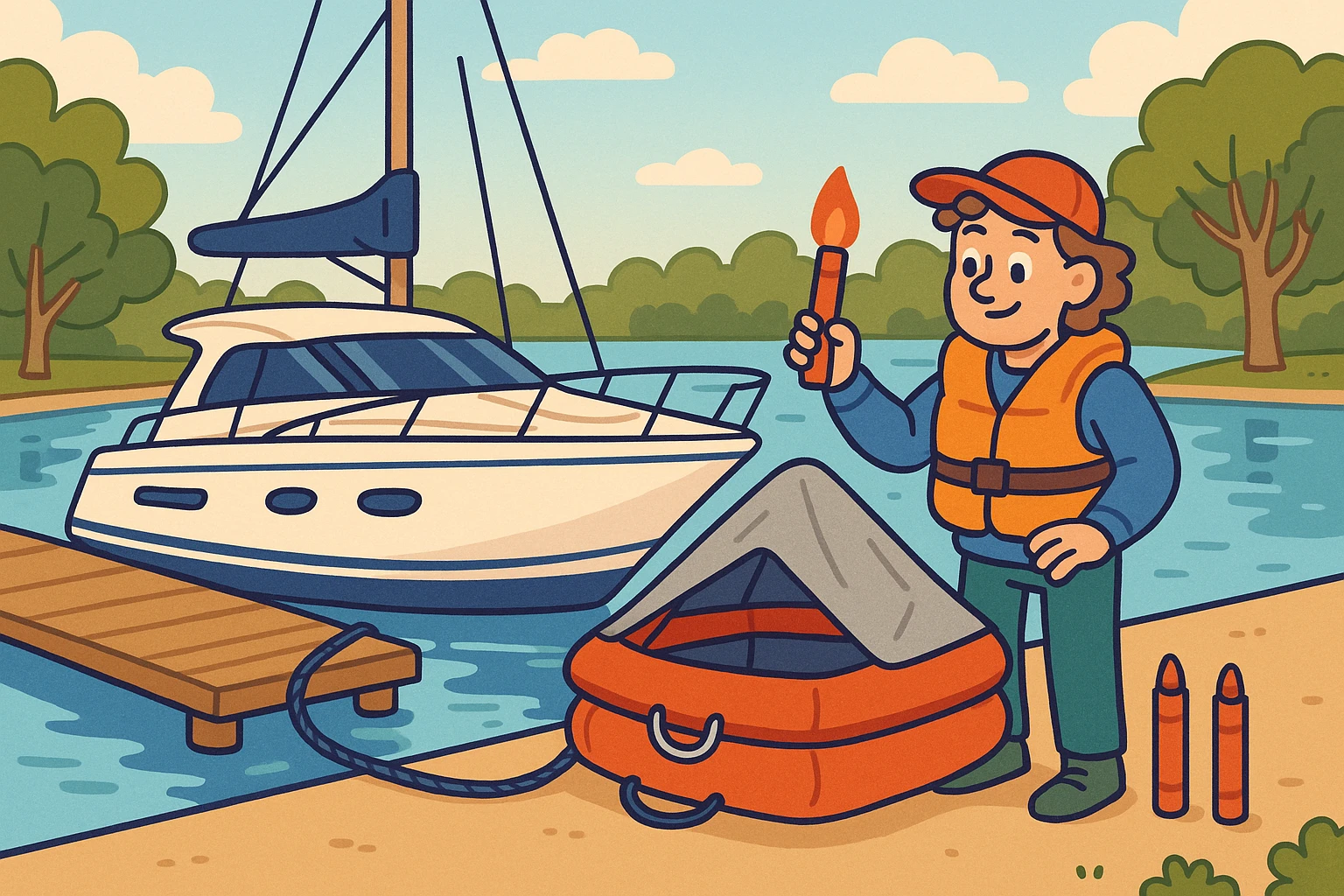
Regulatory bodies often specify mandatory safety equipment for yachts, ensuring a baseline level of safety. This typically includes life jackets, fire extinguishers, flares, and life rafts. However, beyond these requirements, considering additional recommended gear can significantly enhance safety levels. Items like man-overboard (MOB) devices, personal locator beacons (PLBs), and emergency position indicating radio beacons (EPIRBs) are wise additions that can enhance your situational preparedness.
Key Features of Life Jackets, Lifeboats, and Radios
When selecting life jackets, prioritize those compliant with international standards. Look for features such as automatic inflation mechanisms, which can make a difference in emergencies. Advanced models might also include built-in harnesses and reflective materials for enhanced visibility. According to Boating Safety Magazine, these features significantly impact safety when accidents occur.
Lifeboats should be easily deployable and equipped with survival essentials. Consider opting for models with self-righting capabilities and integrated canopies for weather protection. They should also have capacity for multiple passengers and come with supplies like water, signaling mirrors, and first-aid kits, ideally meeting SOLAS (Safety of Life at Sea) standards.
When it comes to radios, VHF marine radios are crucial for communication and should include Digital Selective Calling (DSC) and GPS functions. These elements enhance distress signal transmission and enable precise location tracking, offering peace of mind during voyages. Regularly updating and maintaining your communication devices is essential for optimal performance.
Addressing the question, "how do I increase the safety features on my yacht?", integrating both mandatory and recommended safety equipment plays a pivotal role. By carefully selecting and maintaining essential gear, you can considerably bolster the safety and security of your vessel.
Enhancing your yacht’s safety involves not only adhering to regulations but also taking proactive steps to address potential emergencies. With the right equipment on board, you can ensure a safer experience on the open water, allowing for ample peace of mind during every journey.
Implementing Advanced Safety Technology
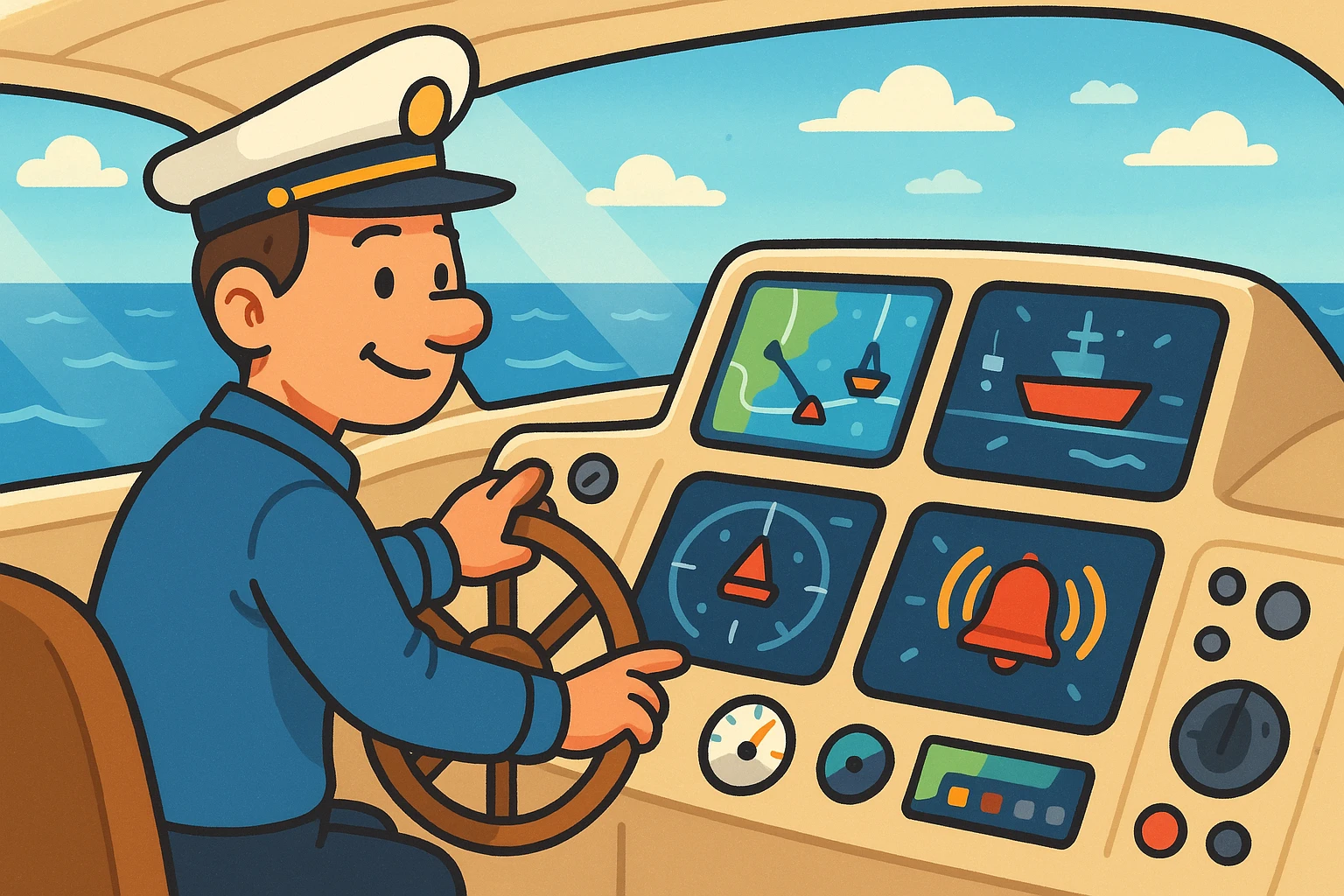
When considering how to increase the safety features on your yacht, implementing advanced safety technology is a pivotal step. Modern yachts can benefit from various electronic safety systems like alarms, GPS, and the Automatic Identification System (AIS). These technologies not only enhance situational awareness but also bolster your vessel's safety profile significantly.
Types of Electronic Safety Systems
Essential electronic safety systems include alarms, GPS, and AIS. Alarms can be customized to monitor different parameters such as bilge levels, engine temperatures, and unauthorized access. Integrating a reliable GPS system is crucial for navigation, allowing you to track your position accurately, which is vital in adverse weather conditions. AIS technology provides real-time information about other vessels' movements and is invaluable for avoiding collisions.
Installation and Integration Methods
Installing these systems requires careful consideration to ensure seamless integration with existing equipment. A professional marine electronics technician can help set up these systems, ensuring optimal performance. Many yacht owners opt for integrated displays where GPS and AIS data is accessible on a single interface, reducing the need for multiple instruments and enhancing ease of use.
It's important to choose equipment that meets marine standards and is waterproof, given the harsh marine environment. For example, selecting AIS equipment with built-in GPS capabilities can further enhance the system’s effectiveness by providing precise location data. According to a survey by Marine Insight, yachts equipped with integrated AIS systems reported a noticeable reduction in near-collision incidents.
When installing these systems, ensure they are regularly updated with the latest firmware to maintain performance and security. Many yacht owners use platforms like Atticus Goods to source high-quality maritime technology that can be tailored to specific yacht configurations.
Implementing advanced safety technologies on your yacht doesn't just comply with safety standards; it offers peace of mind, knowing you have the tools to navigate securely. With the correct setup and integration, these advanced systems can significantly enhance safety and increase resilience against potential threats on open waters.
Best Practices for Regular Safety Maintenance
Maintaining the safety features on your yacht is crucial for ensuring the vessel's durability and the safety of all aboard. Regular safety maintenance involves routine checks and adhering to specific servicing protocols. To effectively address the query, "how do I increase the safety features on my yacht?" owners must adopt a proactive approach in their maintenance routines.
Routine Checks and Servicing Protocols
Routine checks are essential in identifying potential issues before they become serious problems. A monthly inspection of all critical systems, including the engine, navigation equipment, and emergency gear, is recommended. Ensure that the yacht’s hull is regularly examined for signs of wear or damage, as issues here can compromise safety significantly. According to safety guidelines from Boating Magazine, engine maintenance should include oil changes, coolant level checks, and inspection of the fuel system for leaks.
Servicing protocols should involve a thorough review of the boat’s electrical systems—checking for corrosion, ensuring connectors are secure, and batteries are in good condition. It's important to regularly test safety equipment like fire extinguishers and life rafts to confirm they meet operational standards. Maintaining cleanliness and order on board also plays a crucial part in preventing accidents caused by clutter or debris.
Checklist for Ensuring Compliance with Safety Regulations
To ensure compliance with safety regulations, develop a checklist that addresses all necessary safety standards. This checklist should include verifying that safety equipment such as life jackets and flares are easily accessible and in good working condition. Ensure that first-aid kits are complete and updated with unexpired supplies.
The checklist should also verify that communication systems are functional and include upgraded VHF radios with Digital Selective Calling (DSC) capability. It is beneficial to carry out annual safety drills, such as man-overboard exercises, to keep the crew adept at emergency protocols. Regularly reviewing and updating this checklist according to international maritime safety guidelines ensures that your yacht is always prepared for unforeseen events.
By diligently following these routine checks and maintaining comprehensive servicing protocols, yacht owners can substantially enhance the safety features of their vessel. Addressing "how do I increase the safety features on my yacht?" is not a one-time solution but rather an ongoing process of maintenance and compliance with evolving safety standards.
Conclusion: Embrace Safety as a Continuous Journey
Enhancing safety on your yacht is a holistic endeavor that requires ongoing commitment and investment. As you've explored various ways to answer "how do I increase the safety features on my yacht?", the importance of advanced technology, rigorous maintenance, and understanding essential equipment has become evident. Your yacht's safety is not only about meeting regulations but also about fostering a secure environment for all passengers.
Consider the integration of innovative safety features as an opportunity to transform your yacht into a more robust vessel. Whether you're sailing through calm waters or navigating through challenging conditions, the enhancements you make today will equip you for unforeseen circumstances. Regular updates, timely inspections, and adoption of the latest safety technologies should become integral practices. This proactive approach ensures peace of mind on your voyages, allowing you to fully enjoy the luxuries and freedoms your yacht provides.
To further support your journey toward optimizing yacht safety, explore the offerings at Atticus Goods. With a range of maritime solutions, including cutting-edge electronic safety systems, they provide resources that can be tailored to your yacht’s specific needs. By leveraging their expertise, you can confidently enhance the safety features and operational efficiency of your vessel.
As you embark on these enhancements, keep in mind that safety on the water is an evolving goal. Continuously seek out new insights and technologies to stay ahead of potential risks. By doing so, you affirm your dedication to safety, making every journey not just secure but also enjoyable. Elevating the safety standards of your yacht is a profound investment in both peace of mind and pleasurable adventures on the open sea.