

Bulk marine gear sourcing from a retail online store means ordering multiple units at once and unlocking tiered pricing, working through minimum order quantities (MOQs), and choosing between account types like dealer portals or straight retail checkout with a deposit. Freight becomes the deciding factor once you cross roughly six pallets, the point where Less-Than-Truckload shipping gives way to dedicated truckload rates. Before committing to volume, run a sample through fleet testing or your own test-fit, and treat a marketplace like Atticus Goods as a starting point since it already carries dealer-friendly pricing tiers and freight support.
Two things to do right now:
- List your exact quantities, specs, and vessel-fit details before contacting any supplier.
- Request one sample unit plus a freight quote before you commit to the full order.
Key Takeaways
Bulk marine gear sourcing works when buyers combine tiered retail pricing, verified sample testing, and the right freight class for their pallet count.
| Point | Details |
|---|---|
| Prepare specs first | Build a SKU list with quantities and vessel-fit details before contacting any supplier. |
| Test before you commit | Order one sample and test-fit it on a representative vessel before scaling to full volume. |
| Know your freight threshold | LTL applies to orders of several pallets typically up to a threshold; beyond that, ask for truckload rates. |
| Prioritize lifecycle cost | Weigh maintenance and failure risk against unit price, not just the sticker number. |
| Use Atticus Goods to start | Atticus Goods offers tiered pricing, sample requests, and freight support from one storefront. |
Table of Contents
- Quick Checklist: What to Prepare Before You Order
- What Are the Steps in a Bulk Marine Order?
- How Does Freight Work for Large Marine Orders?
- How Do You Evaluate a Marine Gear Supplier?
- What Pricing and Terms Should You Expect?
- What Do Experienced Marine Buyers Get Wrong?
- Simplify Bulk Sourcing With Atticus Goods
- Where to Learn More About Marine Sourcing and Logistics
- Frequently Asked Questions
- Sources
Quick Checklist: What to Prepare Before You Order
Before you reach out to a supplier or start adding dozens of units to a cart, get your paperwork straight. It saves you two or three rounds of back-and-forth email.
- A SKU list with exact quantities per item, not just “cleats” or “fenders.”
- Vessel-fit specs (deck thickness, hull dimensions, mounting hole spacing) for anything mechanical.
- A delivery address with access notes: dock height, gate codes, forklift availability.
- Budget approval or a purchase order number if you’re buying for a business or marina.
- Questions ready for the supplier: MOQ tiers, sample policy, shipping options, lead times, payment terms.
Pro Tip: Ask about deposit requirements and packaging standards up front. Marine hardware corrodes fast if it ships in standard cardboard instead of moisture-sealed packaging, and a sloppy pack job can turn a perfectly good product into a return.
What Are the Steps in a Bulk Marine Order?
A bulk order with an online marine retailer moves through a handful of predictable stages. Knowing them ahead of time keeps you from getting blindsided by a freight quote three weeks in.
- Build your spec and SKU list. Nail down exact part numbers, quantities, and any custom specs (length, finish, thread size) before you talk pricing.
- Request a sample. Order one unit first, especially for anything load-bearing or safety-related, and test-fit it on an actual vessel.
- Get a formal quote. This should break out unit price, freight, and any handling or palletizing fees separately, not as one bundled number.
- Set up a PO or trade account. Larger buyers benefit from a dealer portal; individual boat owners can often stick with retail checkout and a deposit.
- Confirm payment terms. Deposit-plus-balance is standard for high-value orders, protecting both sides during fulfillment, according to Corcentric’s fleet procurement guidance.
- Production or picking and packing. Items get pulled from stock or built to spec, then packed for marine transit.
- Choose your freight method. Parcel, LTL, or full truckload, depending on pallet count and item size.
- Schedule delivery. Confirm an appointment window and site access requirements.
- Inspect on arrival and register warranties. Check for shipping damage immediately and file any warranty paperwork before the return window closes.
At the test-fit stage, loop in whoever actually touches the equipment: your captain, a shipwright, or your maintenance lead. They’ll catch a fitment issue faster than a spec sheet will.
- Select one representative unit per SKU, not the best-looking one on the shelf.
- Test it under the same conditions it’ll face in service, not just a bench check.
- Document the result before you sign off on the full order.
Pro Tip: If you’re ordering the same part for multiple boats, test-fit it on the boat with the tightest tolerances first. If it works there, it’ll work everywhere else in the fleet.
How Does Freight Work for Large Marine Orders?
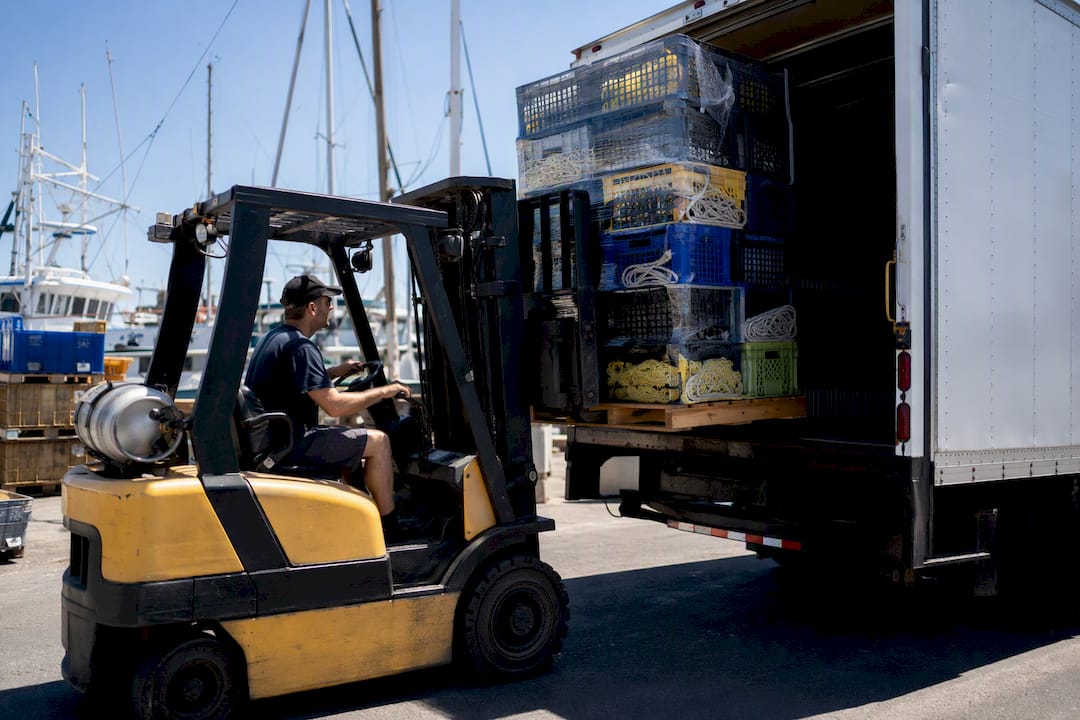
Shipping is where bulk orders either stay on budget or blow past it. Parcel carriers handle small individual items fine, but once you’re moving several boxes or anything palletized, you’re in different territory. Orders spanning one to six pallets typically fall under LTL shipping, while anything beyond that usually qualifies for a dedicated truckload rate. The Dock Shop’s shipping guidance notes that automated checkout estimates are often a rough ballpark. Contact the seller directly if a quote looks unusually high, since partial-truckload rates can sometimes be negotiated.
Pallet count isn’t the only variable. Overlength items (long shafts, spars, rolled rigging) trigger surcharges that automated systems often miss until checkout.
- Confirm whether your delivery site needs a liftgate or has a loading dock.
- Ask if someone will be available during the appointment window, since missed deliveries mean rescheduling fees.
- Check how lead time shifts based on which warehouse holds your inventory.
Pro Tip: Always ask for the freight class and dimensional weight before finalizing an order. A heavy but compact item and a light but oversized one can cost wildly different amounts to ship, even at the same weight on paper.
How Do You Evaluate a Marine Gear Supplier?
Cheapest unit price isn’t the same as lowest total cost. Lifecycle cost analysis accounts for maintenance frequency, failure rates, and downtime, which matters more on a boat than almost anywhere else, since a failed part offshore isn’t a quick swap. A cheap winch that fails in year two costs more than a pricier one that lasts a decade.
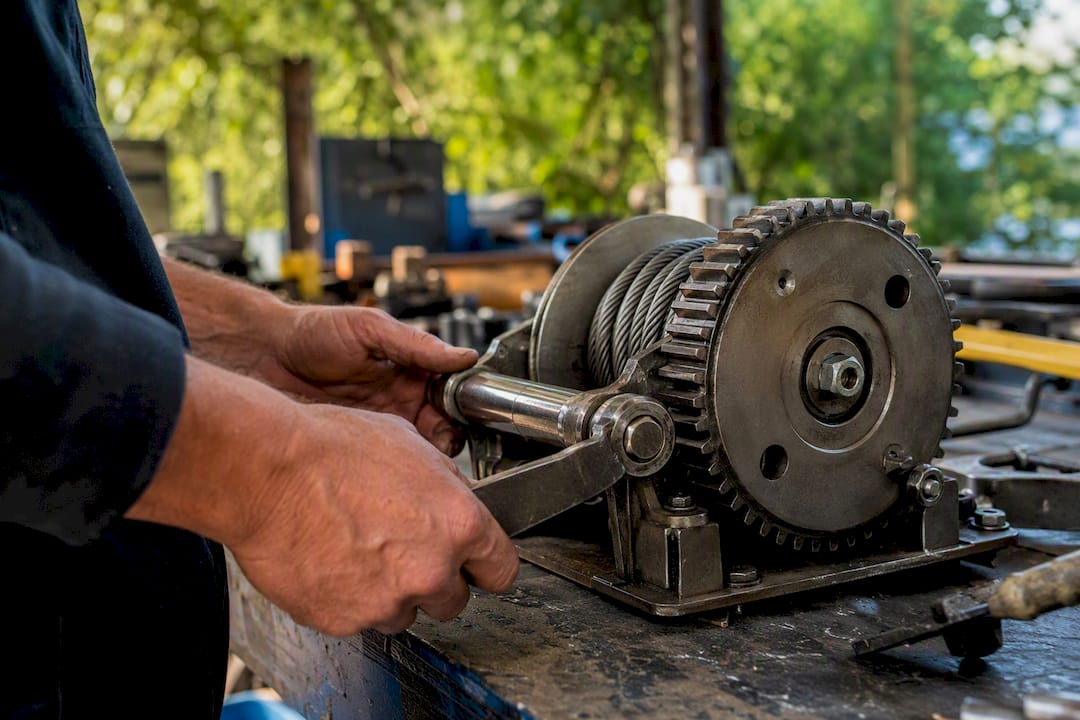
Sample testing is your best defense here. Inspect materials, finish quality, and hardware tolerances before committing to volume, and have a mechanic or shipwright sign off on anything structural. Fleet testing services exist specifically for this kind of validation on a larger scale, but even an informal on-vessel check catches most problems.
Look for these trust signals before placing a large order:
- Dealer portal access with documented MOQs and clear tiered pricing.
- Written lead-time guarantees, not vague “usually ships in a few weeks” language.
- Batch traceability or serial-number confirmation for higher-value items.
- Straightforward warranty and returns terms stated up front, not buried in fine print.
A directory of verified marine wholesale distributors is a useful starting point if you’re vetting multiple suppliers side by side.
What Pricing and Terms Should You Expect?
Bulk pricing rarely comes as one flat number. Expect it broken into pieces: unit price (usually tiered by quantity), shipping and handling, palletizing fees, liftgate or inside-delivery charges, and insurance on higher-value freight. Import paperwork applies if you’re sourcing internationally, though most U.S. retail buyers won’t hit that unless dealing directly overseas.
Pricing tiers commonly step down at specific breakpoints, for example three to five units for a first discount tier, six to ten for a mid-tier, and container-load pricing at the top. Account types vary too:
- Guest retail checkout, fine for smaller one-time bulk buys.
- Dealer or trade accounts, better for repeat business and standing inventory allocations.
- Deposit-plus-balance payment, standard for high-value orders rather than paying the full amount upfront.
- Net terms, typically reserved for established trade accounts with a payment history.
If you need to ship directly to a customer without your name on the box, ask about dropshipping and blind-shipping setups early, since these often carry their own packaging and labeling costs.
What Do Experienced Marine Buyers Get Wrong?
Most buyers over-index on unit price and under-index on fit. I’ve watched procurement decisions go sideways because someone skipped the test-fit step to save two weeks, then spent six weeks dealing with returns instead.
My rule: standardize SKUs across every boat you manage, prioritize lifecycle cost over sticker price, and confirm your delivery site can actually handle a liftgate truck before you order a single pallet. Skip any of those three, and you’ll pay for it later, usually at the worst possible time.
Simplify Bulk Sourcing With Atticus Goods
Atticus Goods cuts out the multi-vendor scavenger hunt that eats up most of a bulk order’s timeline. Instead of chasing separate quotes from five marine suppliers, you get tiered pricing, sample requests, and freight support (LTL or truckload) from one storefront carrying over 235,000 in-stock products.
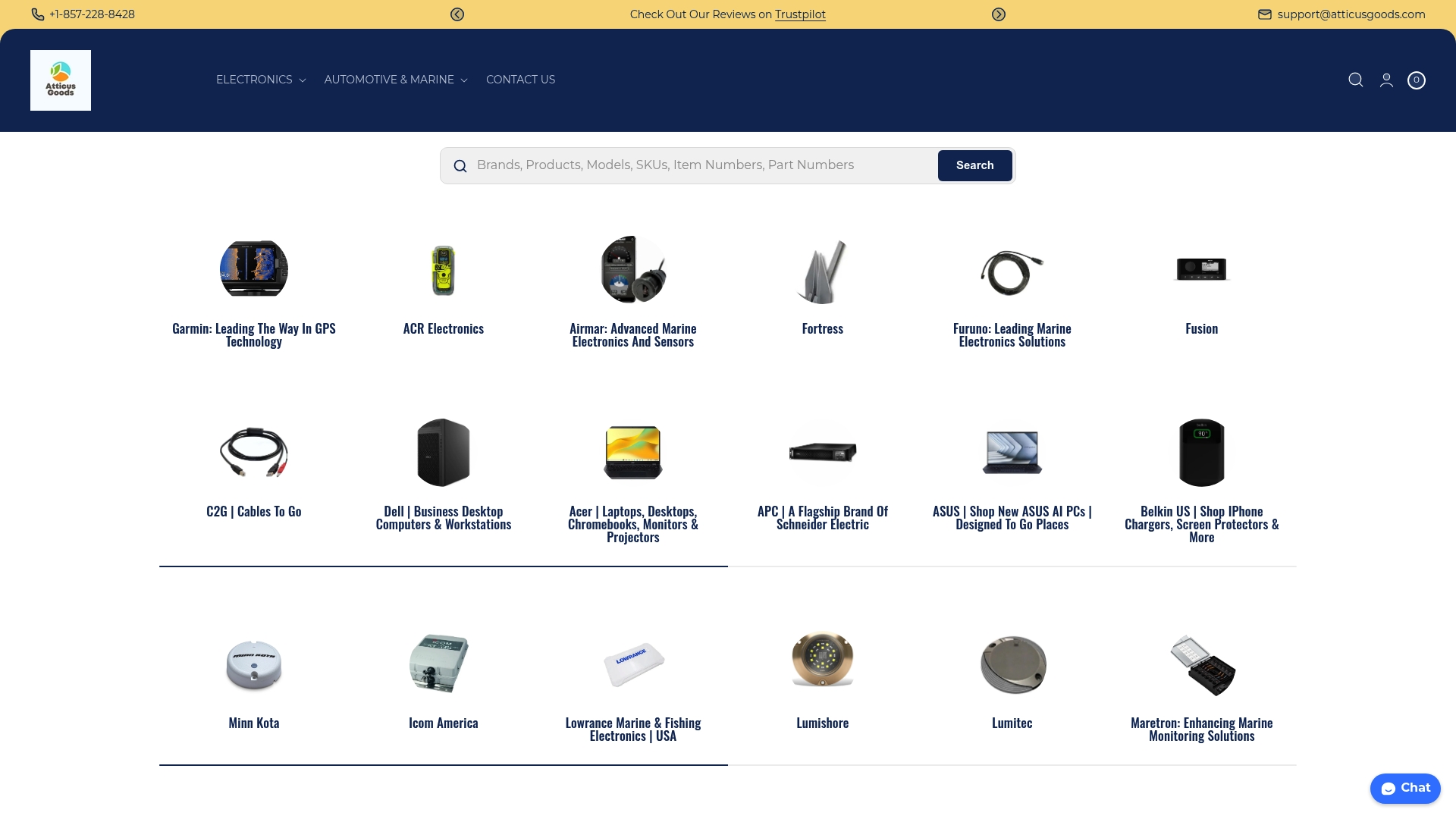
Start by pulling together your SKU list and quantities, the same prep work covered above, then head to the Atticus Goods storefront to check bulk-eligible inventory and request a quote. If you want to see how a product page handles specs and multi-unit purchasing before you commit to volume, look at a listing like the Ultimate Ears MiniRoll speaker to get a feel for the layout. From there, reach out about trade account setup if you’re ordering regularly, and let their team walk you through freight options for your specific pallet count.
Where to Learn More About Marine Sourcing and Logistics
These resources back up the guidance above if you want to dig deeper into any single step.
- Freightera’s LTL guide explains freight classes and when LTL makes more sense than truckload.
- InventorySource’s distributor directory lists verified marine wholesale suppliers to compare against retail options.
- The Dock Shop’s shipping guide breaks down practical freight decisions for marine buyers.
- Atticus Goods is a direct place to start requesting bulk quotes and browsing in-stock marine inventory.
Frequently Asked Questions
What counts as a “bulk” order for marine gear at a retail store? It varies by item, but most retailers set MOQs starting around three to five units for a first pricing tier, with better rates kicking in at six to ten units or more.
Do I need a dealer account to get bulk pricing? Not always. Many retailers offer tiered pricing at retail checkout, though a dealer or trade account usually unlocks better rates and standing inventory allocations for repeat orders.
How long does bulk marine gear sourcing typically take from order to delivery? Expect anywhere from a few days for in-stock parcel items to several weeks for palletized freight, depending on inventory location and whether items need production or picking.
No. A deposit-plus-balance structure is standard practice for high-value bulk purchases and protects both you and the supplier during fulfillment.