

Introduction to Off-Grid Power Solutions
As the demand for renewable energy continues to grow, off-grid power solutions have emerged as a promising way to achieve energy independence. Whether you're a homeowner seeking autonomy from fluctuating utility prices, a rural community aiming to reduce its carbon footprint, or an adventurer looking to power devices in remote locations, off-grid systems provide a versatile answer to diverse energy needs.
These systems, independent from any power grid, derive energy from renewable sources like solar, wind, or biomass. For those living off the beaten path, they offer a reliable and sustainable alternative to traditional power models, ensuring that electricity is both accessible and environmentally friendly. According to the U.S. Department of Energy, these solutions can significantly reduce energy costs and enhance energy security, making them an attractive option for many.
Understanding Off-Grid Power Solutions
Off-grid power solutions refer to systems that operate independently from the main utility grid, utilizing renewable energy sources to generate electricity. These solutions are crucial for energy independence and sustainability, providing reliable power in remote or rural areas where traditional grid connections might be unavailable or costly. The significance of off-grid systems lies in their capacity to empower individuals and communities by ensuring continuous energy availability without dependency on central power infrastructures.
Common Applications and Examples
Off-grid power solutions are widely used in various sectors due to their flexibility and reliability. One prominent application is in rural electrification, where standalone solar panels or wind turbines provide essential energy to communities lacking grid access. In the transportation sector, recreational vehicles and boats often rely on off-grid systems to power appliances, enhancing the comfort and convenience of outdoor adventures. Additionally, these solutions are vital for emergency preparedness setups where backup power is essential during outages.
A real-world example of off-grid solutions in action is in sustainable agriculture. Farmers use solar-powered water pumps to irrigate fields in remote locations, reducing dependence on diesel generators and promoting environmentally friendly farming practices. Another example is remote telecommunications infrastructure, where off-grid systems power towers and equipment in isolated areas, ensuring seamless communication services.
Key Considerations for Going Off-Grid
Transitioning to an off-grid system requires careful planning and evaluation of several factors. First, it is essential to assess energy needs accurately, taking into account daily consumption patterns and future requirements. This involves calculating the total wattage of appliances and devices to determine the appropriate system capacity. Next, selecting the right combination of energy sources, such as solar panels and wind turbines, is crucial to ensure consistent energy supply.
Another consideration is the storage solution. Batteries play a vital role in off-grid setups, storing energy for use during non-productive periods like cloudy or windless days. The choice of battery technology, whether lithium-ion or lead-acid, affects the system's efficiency and lifespan. Additionally, regulatory compliance and installation logistics must be addressed. Engaging with experienced professionals can streamline the process, ensuring proper setup and maintenance.
Types of Off-Grid Power Systems
Solar Power Systems
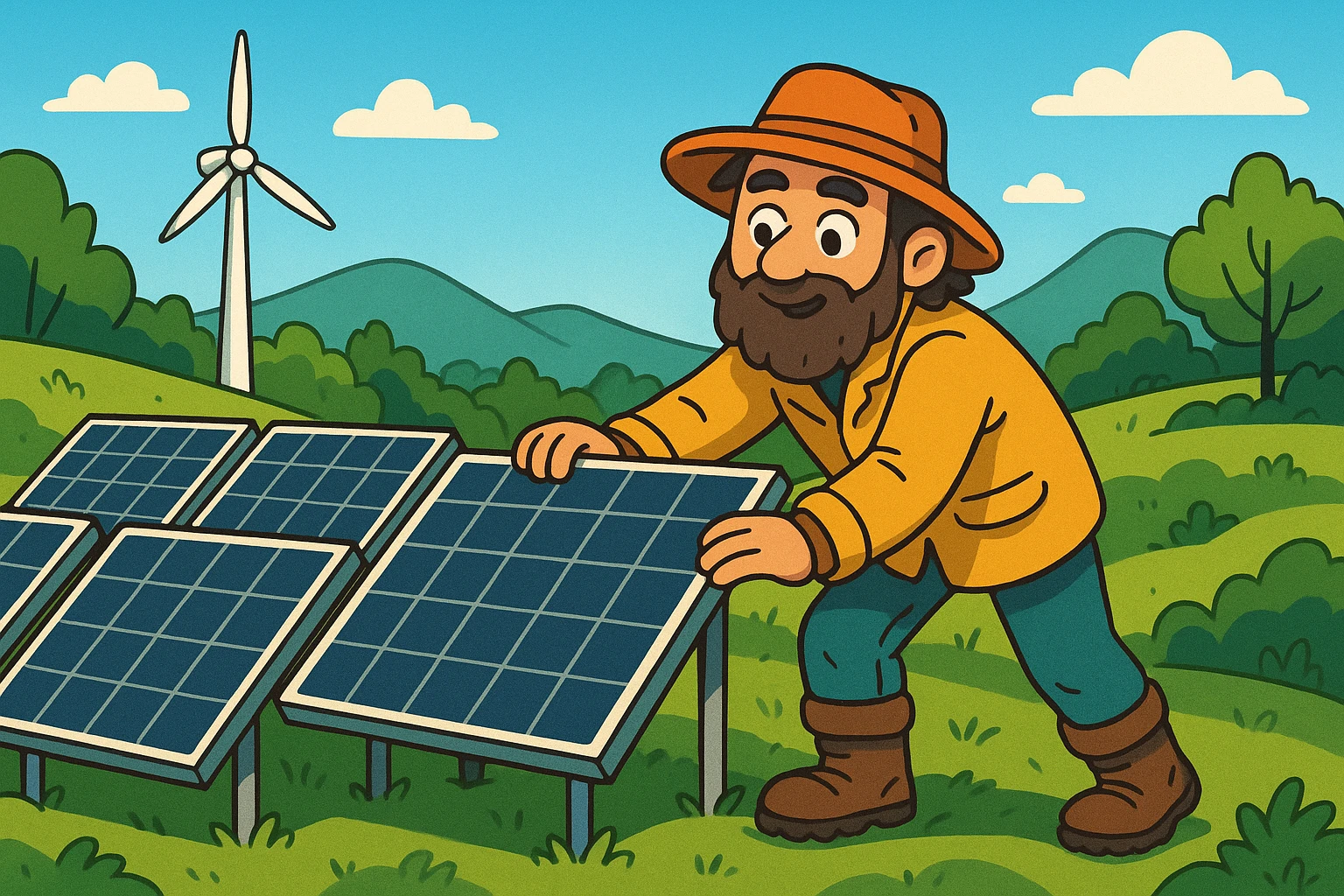
Solar power systems are among the most popular off-grid power solutions due to their versatility and renewable nature. These systems use photovoltaic panels to capture sunlight and convert it into electricity. The setup typically involves solar panels, an inverter, and a battery storage system to manage energy use when sunlight is scarce. A practical consideration is the geographical location, as areas with abundant sunshine maximize efficiency. According to the U.S. Department of Energy, incorporating solar energy can significantly lower electricity costs and contribute to energy self-sufficiency. Solar power systems are commonly used in residential homes, remote cabins, and even boats to provide a consistent power supply.
Wind Energy Options
Wind energy offers another robust option for off-grid power systems, particularly in areas with consistent wind patterns. Wind turbines capture kinetic energy from the wind and transform it into electricity. Unlike solar systems, wind turbines can operate both day and night, making them suitable for regions with seasonal variations in sunlight. Installing a wind energy system requires careful assessment of wind speed patterns and turbine placement to maximize energy capture. These systems are often used in rural areas and farms where wind resources are plentiful, providing an alternative or complement to solar installations. For those interested, brands like Atticus Goods offer products that can enhance outdoor energy solutions.
Hydro Power Solutions
Hydro power utilizes flowing water to generate electricity and is ideal for locations near rivers or streams. By channeling water through a turbine, kinetic energy is converted into electrical power. This method of off-grid energy generation is highly efficient and can operate continuously, offering reliable electricity supply. Consideration must be given to environmental impact assessments and water flow consistency. Hydro systems are particularly advantageous in areas where water resources are year-round and abundant, such as mountainous or lake regions. These systems can power entire off-grid communities or remote industrial sites as part of a sustainable energy strategy.
Setting Up Your Own Off-Grid Power System
Assessing Energy Needs and Location Suitability
Embarking on the journey to establish an off-grid power system requires a thorough assessment of your energy needs. Start by listing all the electrical appliances and devices you plan to use, alongside their wattage requirements. This helps in calculating your total daily energy consumption. Location plays a critical role; ensure you have sufficient space and appropriate environmental conditions to support your selected energy sources, whether solar, wind, or hydro. Analyzing local climate data is crucial to determine the most efficient technology for your area.
Step-by-Step Installation Guide
Installing your off-grid system involves several clear steps. Initially, secure any necessary permits and adhere to local regulations concerning renewable energy installations. Next, choose your main energy source based on the location assessment—solar panels are optimal for sunny areas, while wind turbines serve windy regions well. Install the chosen technology and connect it to an inverter to convert the generated power. The final step involves setting up a battery storage system to ensure a continuous power supply during low production periods.
Cost Analysis and Budgeting
Understanding the financial implications is vital for successful off-grid power solutions. Start by estimating costs, including equipment purchase, installation, and ongoing maintenance. For instance, solar systems might demand higher initial investments but offer long-term savings. It's wise to compare different product options and consider potential savings in energy expenses. Budget for additional costs such as permits or unexpected repairs to avoid surprises. According to U.S. Department of Energy data, proper financial planning can significantly enhance the economic feasibility of these systems.
Conclusion: Embrace the Future of Energy Independence
Adopting off-grid power solutions offers a path toward greater energy autonomy and environmental responsibility. These systems enable individuals and communities to harness renewable energy resources efficiently, ensuring a consistent power supply even in remote locations. With careful planning and professional guidance, you can design a system tailored to your specific needs, moving away from the constraints of traditional power grids.
The benefits of these solutions extend beyond energy independence. They can significantly reduce energy expenses and contribute to sustainable living practices. By investing in tailored systems, you not only secure a reliable electricity source but also support broader ecological goals. Whether through solar, wind, or hydro power, each option provides a unique advantage based on geographical and environmental factors.
As you consider implementing off-grid solutions, focus on practical steps such as accurately assessing your energy requirements and exploring available technologies. Engaging with trusted professionals will ensure a seamless transition, maximizing efficiency and reliability. Embrace the opportunity to become part of a forward-thinking movement, committed to reshaping how we generate and use electricity.
To embark on this transformative journey, consider leveraging the support of trusted providers. Atticus Goods offers valuable resources and products to assist in setting up efficient off-grid systems. By choosing the right partner, you enhance your capability to achieve energy independence effectively.