

Introduction to Marine Electronics
In an era where precision and efficiency are paramount on the open water, marine electronics have emerged as indispensable allies for mariners. Imagine navigating the vast ocean with unmatched precision, anticipating weather patterns, and locating the best fishing grounds—all with the help of sophisticated tools. The advent of these technologies has revolutionized marine navigation, enhancing safety and optimizing fishing expeditions.
Marine electronics encompass an array of devices that cater to various maritime needs. From advanced GPS and radar systems to sonar equipment and autopilot functionalities, these technologies are tailored for both recreational and commercial vessels. For instance, cutting-edge fish finders use sonar to detect underwater objects, providing fishermen with a competitive edge. According to Research and Markets, the marine electronics market is projected to grow significantly, driven by advances in technology and increased demand for recreational boating.
The utility of marine electronics extends beyond navigation and fishing. Consider the role of communication devices in ensuring safety and coordination at sea. Radios equipped with Automatic Identification Systems (AIS) are vital for collision avoidance, presenting real-time data about nearby vessels. These tools, coupled with weather monitoring systems, empower mariners to make informed decisions, thereby minimizing risks.
Moreover, the integration of IoT in marine electronics has ushered in a new era of connectivity. Vessels equipped with internet-ready devices can sync with cloud-based services, allowing for remote monitoring and data analysis. This advancement aids in operational efficiency, especially in commercial shipping, where monitoring fuel consumption and maintenance needs are crucial for cost management. For a deeper dive into specific products facilitating these advancements, explore the capabilities of the Garmin GSD28 Sonar Module, renowned for enhancing underwater detection capabilities.
The transformative impact of marine electronics is evident across the industry, paving the way for innovative approaches to maritime challenges. As these technologies continue to evolve, they promise greater autonomy and safety for marine enthusiasts and professionals alike. In the subsequent sections, we'll explore these innovations in detail, scrutinizing their applications and benefits to provide a comprehensive understanding of this dynamic field.
Key Innovations in Marine Electronics
Marine electronics have revolutionized the way navigation and communication are managed at sea. With the integration of advanced technologies such as GPS, sonar, and radar, vessels are now equipped to handle various maritime challenges with increased precision and safety. These technologies have not only enhanced the efficiency of maritime operations but have also improved the overall safety of sea voyages.
GPS and Navigation
One of the cornerstones of marine electronics is the Global Positioning System (GPS). This technology allows for precise navigation, enabling mariners to determine their exact location and course. A striking example is the integration of GPS with Automatic Identification Systems (AIS), which provides real-time data about nearby vessels, thus reducing collision risks. According to a report by the National Oceanic and Atmospheric Administration, adopting AIS has significantly decreased maritime accidents by enhancing situational awareness (NOAA).
Sonar Technology for Fishing and Exploration
Sonar technology is invaluable for both commercial and recreational fishing. It helps in mapping the seafloor and locating fish, allowing for more efficient and sustainable fishing practices. Companies like Garmin have developed sophisticated sonar systems that provide high-resolution images, making it easier to identify underwater structures and schools of fish. This not only aids in successful fishing ventures but also supports marine research and exploration efforts, contributing to a comprehensive understanding of marine ecosystems.
Radar Systems for Safety
Radar systems have become an essential component of marine electronics, crucial for navigation and safety during adverse weather conditions. By detecting obstacles and measuring distances even in low visibility, radar enhances the ability of vessels to navigate safely. For instance, Furuno's state-of-the-art radar systems offer superior performance, which is particularly beneficial for large commercial vessels navigating busy ports. The reliability of radar technology in avoiding collisions underscores its importance in modern marine electronics.
The evolution of marine electronics illustrates a broader trend towards increased maritime safety and efficiency. Through continuous innovation and adoption of these cutting-edge technologies, the maritime industry is making strides in protecting marine life and enhancing operational effectiveness. For a broader perspective on adopting natural efficiencies, you might explore Soothe Naturally: Why An All Natural Anti Inflammatory Muscle Rub Belongs In Your Wellness Routine.
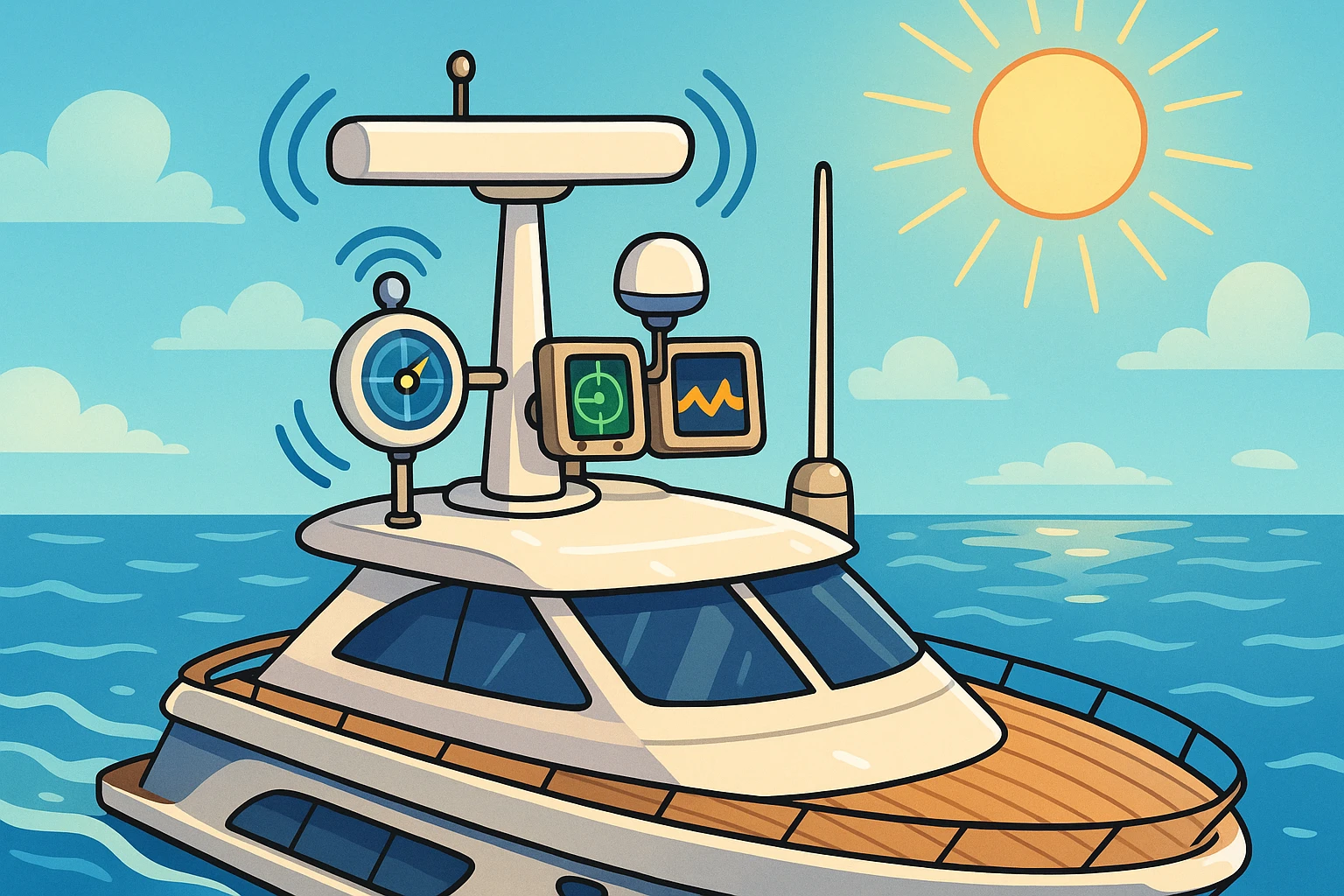
Integrating Technological Innovations in Marine Electronics
Modern marine electronics have transformed the way maritime professionals approach navigation and operations. The integration of advanced technologies such as Artificial Intelligence (AI) and the Internet of Things (IoT) has enhanced both safety and efficiency on the water. These innovations enable precise data analysis and provide real-time updates on weather patterns, sea conditions, and vessel performance.
AI-powered navigation systems, for instance, offer predictive analytics that help in optimizing routes, thereby reducing fuel consumption and operational costs. According to a recent study, vessels that utilize AI for route planning have reported a fuel reduction of up to 10% (source). Moreover, enhanced tracking systems connected via IoT allow for seamless monitoring of ship components, ensuring timely maintenance and minimizing downtime.
Case Study: Advanced Radar Systems
Advanced radar systems exemplify the notable improvements in marine electronics. These systems can detect and track smaller objects at greater distances, vastly improving the safety of navigation. A real-world example includes their usage in busy port areas where vessel traffic is dense. Such systems enable better traffic management and collision avoidance, ensuring smooth operational flow.
Companies like Atticus Goods are not only providing critical components for maritime electronics but also offering platforms that streamline workflow through efficient resource allocation and product management. By integrating their solutions, maritime businesses can enhance their technological infrastructure significantly.
Real-World Implications of Marine Electronics
Implementing cutting-edge marine electronics has a direct impact on reducing environmental footprints. With optimized navigation and engine performance, vessels can lower emissions, contributing to broader environmental goals. The International Maritime Organization projects that by 2030, advanced technologies in marine electronics could cut greenhouse gas emissions from shipping by 40% (source).
Furthermore, the use of networked systems enhances communication between sea and shore, facilitating better decision-making processes. The increased reliability and accuracy of these electronic systems ensure that maritime operations are not just efficient but also resilient against unforeseen challenges.
Advancements in Marine Electronics: Transforming Navigation and Safety
The evolution of marine electronics has profoundly impacted navigation and safety systems, enhancing the way maritime operations are conducted. Modern advancements have integrated sophisticated GPS systems and real-time tracking capabilities that not only assist in accurate navigation but also provide critical safety enhancements. For instance, the implementation of Advanced Satellite-Based Augmentation Systems (SBAS) ensures precise positioning, significantly reducing the risk of accidents caused by navigational errors.
Enhancing Maritime Safety Through Technology
One of the notable examples of technology enhancing maritime safety is the development of Automatic Identification Systems (AIS). These systems offer comprehensive tracking of vessel movements, allowing vessels to be identified and tracked from both shipboard systems and shore-based installations. According to a Maritime Executive report, the adoption of AIS has already contributed to a 25% reduction in maritime accidents. This technology allows maritime authorities to maintain detailed oversight on shipping lanes, thus helping to prevent collisions and groundings.
Integration with Predictive Analytics
Marine electronics are increasingly being integrated with predictive analytics tools, which analyze vast amounts of data to forecast weather patterns and sea conditions. A case study involving the Merchant Marine of the United States demonstrates that by using predictive analytics, shipping companies have improved route optimization, saving fuel and reducing travel times. The utilization of predictive data can also predict potential mechanical failures or maintenance needs, allowing for proactive repairs that prevent costly downtime.
Eco-Friendly Innovations
The push towards greener technologies has not left the marine industry untouched. Innovations in marine electronics now focus on reducing carbon footprints through more energy-efficient systems. Solar-powered navigation aids and LED-based lighting systems are popular examples of eco-friendly advancements. Furthermore, these systems ensure lower operational costs for maritime businesses, contributing positively to both environmental and economic goals.
In conclusion, the integration of advanced technologies in marine electronics is transforming the maritime industry. By enhancing navigation accuracy, improving safety protocols, and promoting sustainable practices, these technologies are setting new standards for maritime operations. As the industry continues to evolve, stakeholders must remain adaptable, leveraging these innovations to drive efficiency and sustainability. For further insights into technological advancements, explore Brushless Nail Drill Benefits How They Boost Efficiency And Durability.

Conclusion
As we wrap up our exploration of marine electronics, it's clear that innovation in this field is transforming the maritime experience. From enhancing navigation safety to streamlining communication and boosting efficiency, these technologies are indispensable for modern-day seafarers. By leveraging tools like high-tech marine compasses, digital control panels, and advanced sonar systems, both recreational boating enthusiasts and commercial operators can navigate with confidence and precision.
For anyone newly venturing into this space, it's crucial to start with a fundamental understanding of your vessel's needs. Consider the size of your boat and the environments in which you'll be operating. Opting for scalable solutions will ensure your marine electronics can grow alongside your ambitions. Additionally, routine maintenance and updates are vital in sustaining the performance and reliability of these systems. Taking the time to stay informed about the latest advancements will also provide a competitive edge and safeguard against obsolescence.
Moreover, engaging with professional marine electronics installers is advisable. They can offer tailored advice and install systems that meet industry standards, ensuring maximum efficiency and compliance with safety regulations. For example, expert installers can configure radar systems to provide optimal coverage tailored to your specific operational routes.
We encourage you to explore further resources to keep current with this rapidly evolving field. Trusted online platforms and industry forums are valuable for learning from seasoned experts and connecting with fellow enthusiasts. One such resource is Atticus Goods, which you can consider for comprehensive marine electronics solutions tailored to your specific requirements.
Ultimately, integrating advanced marine electronics is an investment in safety, efficiency, and enjoyment on the water. By staying proactive and informed, you can make strategic decisions that will benefit your maritime endeavors for years to come. Whether you're setting sail on a new adventure or expanding existing operations, the future of marine electronics promises exciting possibilities, and being prepared to embrace them is the key to navigating a successful voyage.
Article Generated by Rankaria