

Illuminating Your Outdoor Adventures with Solar-Powered Camping Lights
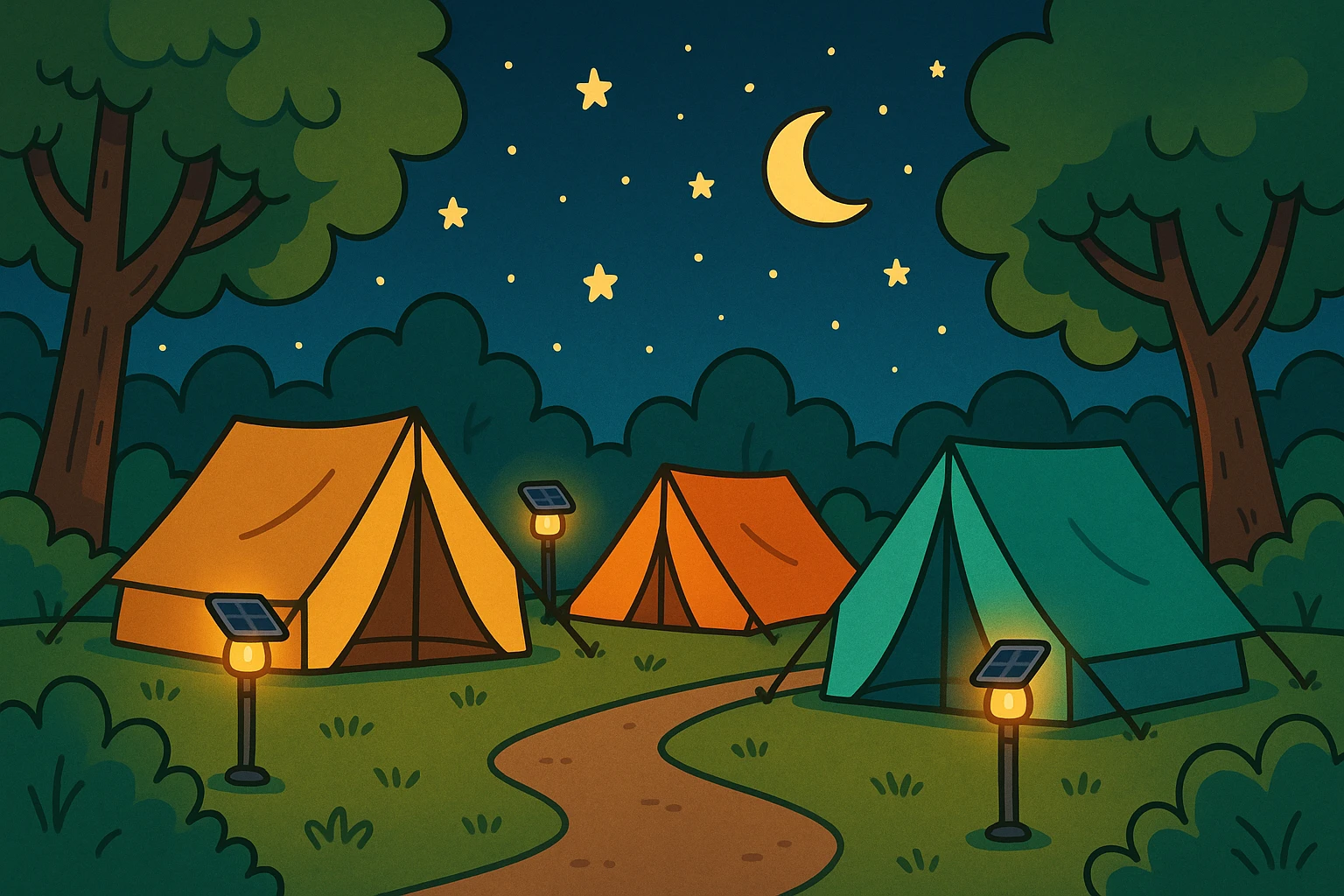
Imagine setting up camp under a starry sky, miles away from city lights, enveloped in nature's tranquility. As night falls, your campsite is aglow with the soft, sustainable illumination from solar-powered camping lights. These innovative devices are rapidly gaining popularity among outdoor enthusiasts, providing a reliable and eco-friendly lighting solution that enhances the camping experience while respecting the environment.
Solar-powered camping lights harness energy from the sun, storing it in rechargeable batteries to power LED lights after dark. This sustainable technology offers the dual benefit of reducing carbon footprints and eliminating the reliance on disposable batteries or fuel-based lanterns. With advancements in solar technology, these lights have become increasingly efficient and versatile, capable of illuminating large areas and offering various lighting modes to suit different needs. For campers, hikers, and adventurers seeking both functionality and environmental consciousness, solar-powered lights represent a perfect blend of innovation and sustainability.
Understanding Solar-Powered Camping Lights
Solar-powered camping lights are innovative devices designed to harness sunlight and convert it into electrical energy. At their core, these lights operate through photovoltaic technology, which involves the conversion of solar energy into electricity using solar panels. These panels are typically mounted on the exterior of the light fixture and are composed of multiple solar cells made from semiconductor materials like silicon. When sunlight strikes these cells, it generates a flow of electricity that is stored in rechargeable batteries, allowing the lights to function after dark.
A key component of solar-powered camping lights is the LED bulb. LED, short for light-emitting diode, is known for its energy efficiency and longevity. Unlike traditional incandescent bulbs, LEDs consume significantly less power and last much longer, making them an ideal match for solar technology. The integration of motion sensors in some solar-powered camping lights adds another layer of utility, enabling automatic illumination when movement is detected, which is particularly useful in outdoor settings.
Moreover, the versatility of solar-powered camping lights is enhanced by the inclusion of multiple lighting modes. Campers can often choose between steady light, flashing, or dimmed settings, tailoring the light output to their specific needs and conserving battery life when necessary. For instance, a dimmed mode might be preferable for ambient lighting, while a steady bright setting could be used for task-oriented activities like cooking or reading.
Advancements in battery technology have significantly bolstered the efficiency of solar-powered camping lights. Lithium-ion batteries are commonly used due to their high energy density and ability to withstand numerous charge cycles. This means users can rely on their lights for extended periods before recharging, even during cloudy days when sunlight exposure may be limited. Such innovations have increased the adoption of solar-powered lights among environmentally conscious campers who seek a sustainable lighting solution with minimal ecological impact.
Understanding the basic functioning and components of solar-powered camping lights provides valuable insight into their growing popularity. As these technologies continue to evolve, they promise to offer even more advanced features, making them an indispensable asset for outdoor enthusiasts. While other camping accessories like the TRUCK GEAR S01467102 4-Foot Oval Bend Bar, Black serve different needs, solar-powered camping lights stand out for their unique and eco-friendly approach to outdoor illumination.
Types of Solar-Powered Camping Lights
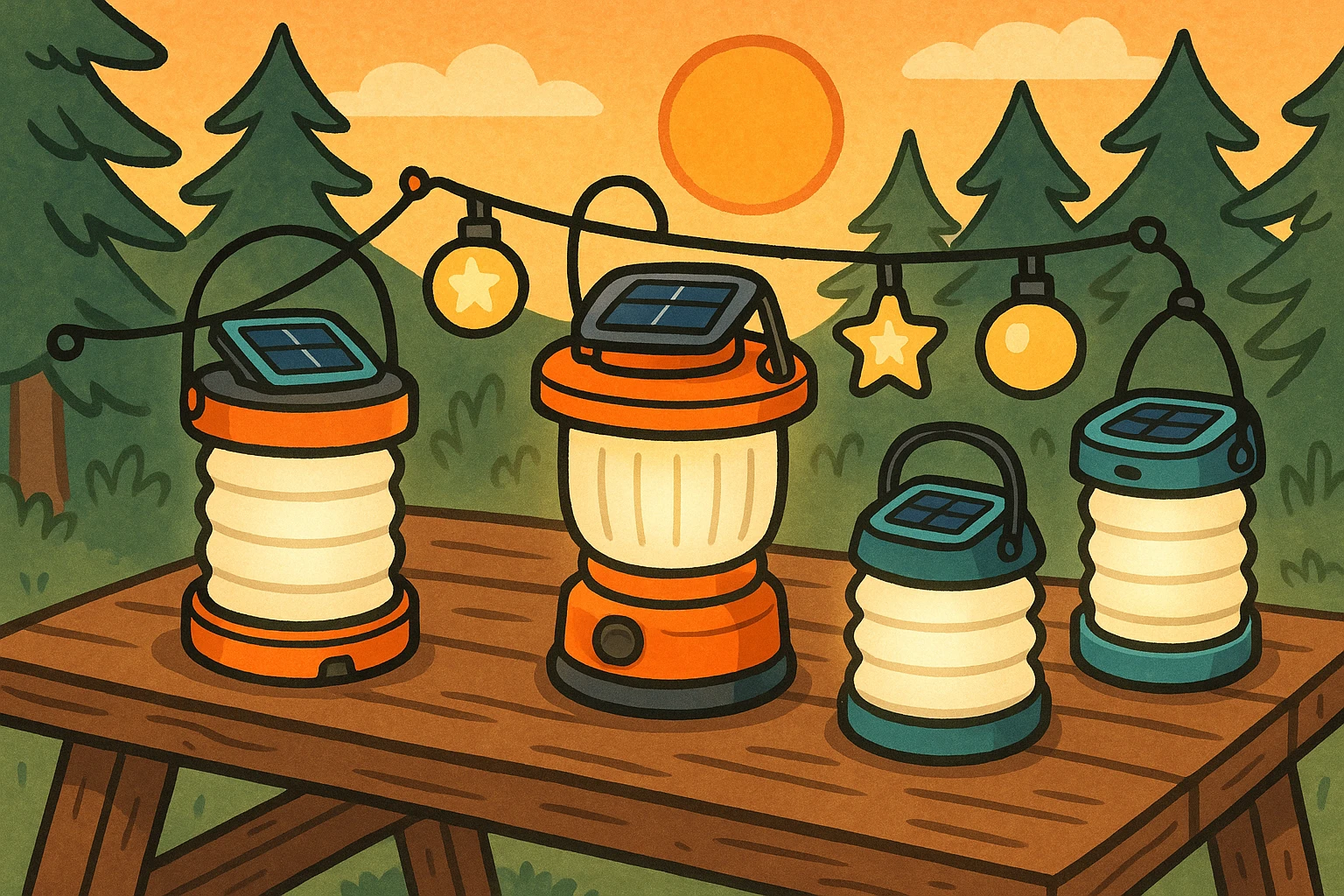
When it comes to solar-powered camping lights, a variety of models and designs cater to different outdoor needs. From collapsible lanterns to string lights, each type serves a unique purpose. Collapsible lanterns are portable and compact, making them convenient for backpackers. These models often feature multiple brightness settings, enhancing usability. String lights provide ambient lighting, perfect for decorating campsites or lighting up pathways. Another innovative design is the solar-powered torch, which mimics the flickering glow of a real flame, adding to the campfire ambiance without the risk of open fire.
Several features are important when selecting the right solar-powered light, starting with brightness. Measured in lumens, brightness levels can vary significantly among models. For instance, a lantern used for cooking or reading might need higher lumens compared to ambient lighting. Another key feature is battery life. Optimal solar-powered lights should offer long-lasting batteries that sustain illumination throughout the night. Advanced models can last up to 10 hours or more on a full charge, ensuring reliability for extended outings. According to a product review on Outdoor Life, some models boast up to 20-hour battery life.
Durability is another critical consideration, especially for campers exposed to the elements. Lights made with weather-resistant materials can withstand rain, dust, and minor impacts. For example, a sturdy outer casing protects the internal components during rough handling. Additionally, water-resistant seals are essential for preventing moisture damage, especially in humid environments. Some top models, as highlighted on camping gear sites like Atticus Goods, have received positive feedback for their rugged build quality and resilience.
Choosing among these solar-powered options involves matching design and features to specific camping needs. For users requiring customizable options, lights with adjustable brightness settings and detachable components offer versatility. Whether embarking on a weekend hike or setting up a longer-term campsite, the appropriate choice facilitates both functionality and environmental stewardship. With innovations continuously emerging in this arena, campers have access to increasingly sophisticated tools for sustainable outdoor lighting.
Practical Tips for Using Solar-Powered Camping Lights
Installation and Charging Requirements
Setting up solar-powered camping lights is straightforward, yet understanding some key elements can ensure optimal performance. Begin by positioning the solar panels in an area that receives maximum sunlight exposure. This involves choosing a spot free from obstructions such as trees or overhangs, which can impede solar absorption. For most models, a direct sunlight exposure of 6 to 8 hours is typically required for a full charge, crucial for maintaining extended illumination throughout the night.
Some solar-powered lights come with detachable panels, allowing campers to place them in the sunniest position while the lights remain under shelter. When setting up, ensure the panels are angled correctly to capture sunlight efficiently. This is particularly important in northern latitudes or during seasons with limited daylight. Additionally, understand the charging indicator lights on your device. Most have LEDs that change color or flash to indicate when charging is complete, preventing overcharging and conserving battery life.
Common Pitfalls and How to Avoid Them
Using solar-powered camping lights can sometimes present challenges if not correctly managed. A frequent issue is the assumption that any level of sunlight is sufficient for charging. Overcast conditions or shading can significantly reduce charging efficiency, so always monitor weather patterns and adjust panel placement as needed. Investing in a device with a battery backup or integrated charging port for occasional manual charging is prudent.
Another common pitfall is neglecting regular maintenance. Dust or debris on solar panels can obstruct sunlight absorption, so routinely clean the panels with a soft cloth. In terms of battery management, be aware that extreme temperatures can affect battery performance. Try to avoid exposing the lights to excessive heat or freezing temperatures. Some models offer protection against these elements, but checking the manufacturer's guidelines for specific care instructions is important.
Users frequently experience issues with battery longevity. While technology has improved, achieving optimal battery life requires cycling through full charges and discharges occasionally, rather than keeping the battery topped off constantly. This approach can enhance the battery's lifespan and efficiency.
By adhering to these practical tips, campers can maximize the functionality and durability of their solar-powered camping lights. This ensures a sustainable and reliable light source for any outdoor adventure, provided that attention is given to clear installation, charging practices, and maintenance routines.
Conclusion and Next Steps
Solar-powered camping lights offer a sustainable and reliable solution for enhancing outdoor experiences. By embracing this technology, campers can enjoy a well-lit environment that's both eco-friendly and efficient. The advancements in solar technology make these lights an attractive option for those looking to reduce their carbon footprint without compromising on functionality.
For those ready to incorporate solar-powered camping lights into their gear, the first step is selecting a model that aligns with specific needs—whether seeking compactness for backpacking or durability for harsh weather conditions. Once equipped with the right set of lights, it's essential to maintain them properly for maximum efficiency. Regular cleaning of solar panels and mindful battery management can significantly extend the lifespan of these lights.
The adoption of solar-powered lighting is not only a commitment to sustainability but also an effective way to improve the overall camping experience. By taking actionable steps to integrate these lights into outdoor adventures, campers can enjoy peace of mind knowing they're contributing to environmental conservation.
For further guidance and a curated selection of quality solar camping lights, consider exploring products from Atticus Goods. Their offerings provide valuable resources for outdoor enthusiasts shopping for innovative and eco-friendly lighting solutions.
By implementing these insights, you can ensure that your next camping trip is illuminated efficiently and sustainably. Transform your outdoor adventures while respecting nature, making each experience both delightful and responsible.