

The Rise of Waterproof Electronics
In an age where technology integrates seamlessly into our daily routines, the demand for durable and versatile devices has reached unprecedented levels. One of the most significant advancements in this sphere is the emergence of waterproof electronics. From smartphones to speakers, these gadgets are engineered to withstand water exposure, ensuring they function in environments that were previously off-limits. How did this trend emerge, and what does it mean for consumers and industries alike?
A Growing Consumer Demand
The modern lifestyle is dynamic and often outdoors-oriented, increasing the need for electronics that can keep pace. Consumers today are not willing to compromise on their activities, whether swimming laps in a pool or enjoying music at a beach party. Waterproof electronics cater to this need by eliminating the constant fear of device damage due to water exposure. This consumer trend is evidenced by the surge in market sales; according to Statista, the global waterproof smartphone market alone is projected to grow significantly, reaching $98.8 billion by 2023.
Innovations Driving the Industry
The technology behind waterproof electronics involves sophisticated engineering techniques. Devices are often tested against the International Protection Marking (IP code), which gauges the water resistance levels. For example, devices with an IP67 rating can be submerged up to a meter underwater for 30 minutes without harm. Innovations in materials science, like nanocoatings and hydrophobic layers, also play a crucial role. Companies like Apple and Samsung have become industry leaders by incorporating these technologies into their flagship products, setting new standards in design and functionality.
Real-World Applications
The practical applications of waterproof electronics extend beyond consumer goods. Industries such as construction and sports have seen tremendous benefits. For instance, swimmers utilize waterproof earbuds, which allow for seamless audio experiences even underwater. Furthermore, water-resilient drones are employed in rescue missions and marine research, providing functionality that was impossible before. These innovations highlight the broader impact of waterproof technology and underscore its importance in diverse fields.
Embracing this technological leap means opting for devices that offer enhanced durability and performance in wet conditions. As the demand continues to rise, so does the innovation curve, promising even more sophisticated and versatile options for users. For further insights into enhancing electronic components, consider exploring RICK'S Electric High Output Stator Part 21-318H for Enhanced Performance, which provides advanced specifications suitable for demanding environments.
The Importance of Waterproof Electronics in Modern Technology
As the demand for durability and resilience grows, waterproof electronics have become a significant focus in modern technology development. These devices provide peace of mind by ensuring functionality in diverse environments—be it during an unexpected rainstorm or an accidental spill. For instance, smartphones with water-resistant capabilities have revolutionized how we capture underwater photos and videos, transforming user experiences globally. Products such as the Samsung Galaxy S21, which boasts an IP68 rating, can withstand submersion up to 1.5 meters for 30 minutes, offering not just convenience but reliability.
Waterproof electronics are not limited to consumer gadgets. Industrial applications are equally influenced by this advancement. In sectors like construction and agriculture, equipment with water-resistant features continues to enhance operational efficiency. Devices embedded with these capabilities reduce downtime due to water damage, consequently lowering maintenance costs and extending life spans. Moreover, the healthcare industry benefits from waterproof medical devices, vital in sanitation-intensive environments where contamination prevention is critical.
Challenges and Innovations
Despite the benefits, developing truly waterproof electronics presents significant challenges. One key issue is ensuring that the devices remain lightweight and compact without compromising their resilience. Innovators are exploring cutting-edge materials and coatings to address these challenges. Nano-coatings, for example, are extensively researched for their potential to repel water while maintaining electrical connectivity. Companies like P2i are leading this charge, creating nano-coatings that provide water protection at the molecular level [New Scientist].
Furthermore, integrating water resistance in electronics must not affect their performance or user interface. For instance, touchscreen responsiveness often suffers when in contact with water. Technology firms are innovating with sensor-driven adaptations that maintain usability even in wet conditions. An excellent example lies in advancing haptic feedback technologies which offer tactile responses to enhance user interaction despite water interference.
Conclusion
The evolution of waterproof electronics continues to redefine standards across industries. With more products being designed for underwater and wet condition functionality, user expectations rapidly shift towards reliability and robustness. Continued research and development are necessary to overcome existing imperfections, promising a future where waterproof electronics are not just an added feature but a fundamental requirement. Such innovations promise to drive further industry growth and provide unparalleled levels of consumer satisfaction and safety in daily operations.
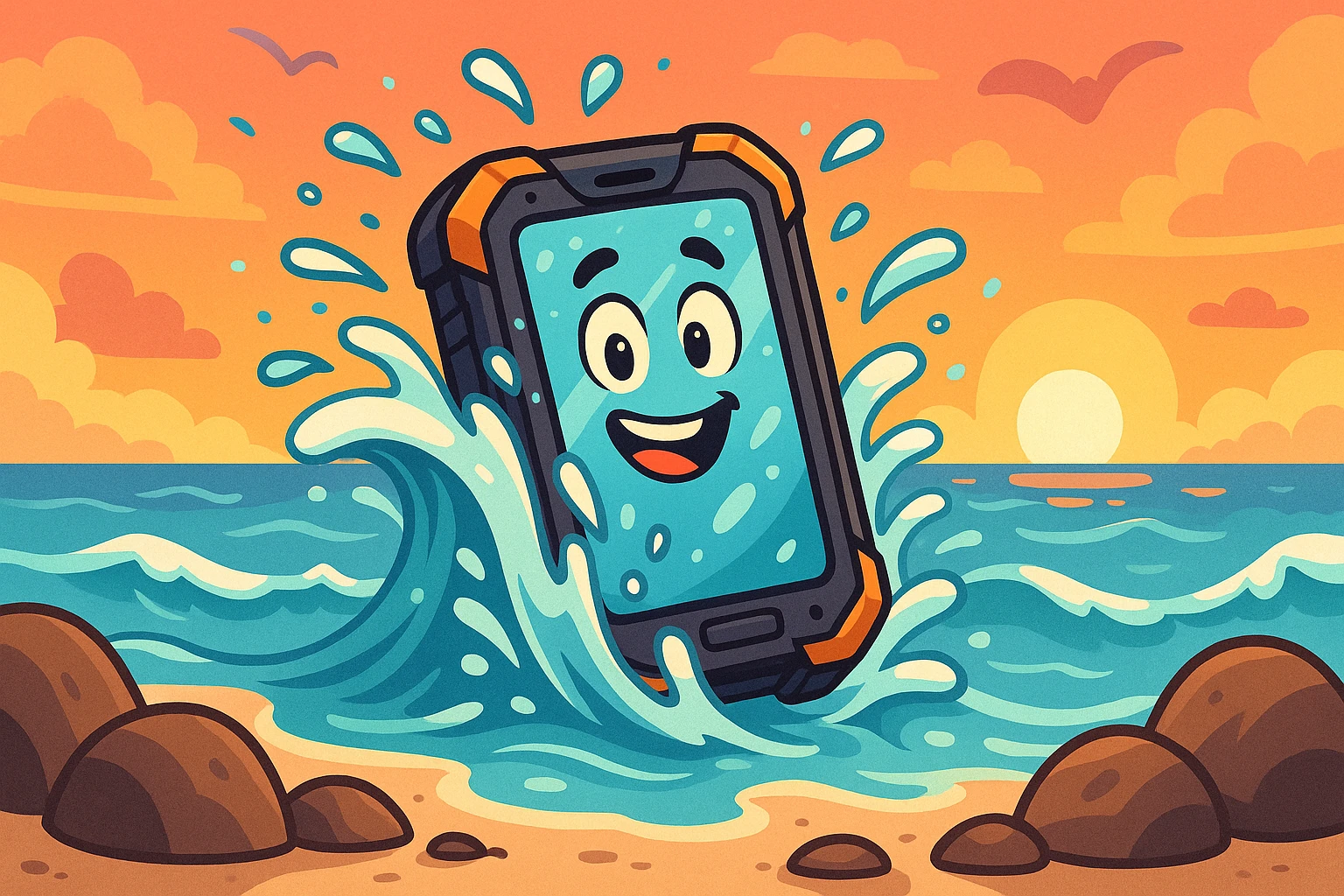
Real-World Applications of Waterproof Electronics
Waterproof electronics have revolutionized a wide range of industries by providing reliable and durable devices for use in various environments. Consumer electronics manufacturers, in particular, have harnessed this technology to deliver waterproof smartphones, e-readers, and headphones, accommodating the demand for devices that can withstand exposure to water and moisture.
Enhancing Outdoor Activities
For outdoor enthusiasts, waterproof electronics are essential. Athletes and adventurers rely on waterproof GPS devices and wearables that track their performance, regardless of water exposure. These electronics are engineered to endure rigorous conditions, such as downpours or occasional submersion, ensuring functionality remains uncompromised. For example, Garmin's range of rugged smartwatches offer water resistance up to 100 meters, making them ideal for swimmers and divers official Garmin website.
Aiding Health and Safety
In healthcare, waterproof electronics provide critical benefits. Advanced hearing aids frequently include water-resistant features, allowing patients to maintain quality of life without worrying about environmental conditions. Similarly, medical devices used in humid or wet environments, such as rescue operations, often include waterproof capabilities to ensure reliability. This technology greatly enhances medical response efficiency, giving healthcare professionals robust tools during emergencies.
Expanding Industrial Applications
Industries such as construction and manufacturing utilize waterproof electronics for monitoring and maintaining operations under challenging conditions. Devices like waterproof cameras and drones enable consistent surveillance and data collection without the risk of water damage. These tools enhance accuracy and productivity across various projects, exemplifying the significant impact of this technology in industrial sectors.
Many professionals seek resources like Atticus Goods for comprehensive solutions, combining innovation with the ruggedness required for their unique environments. The availability of dedicated platforms ensures that industries can access cutting-edge waterproof technology tailored to their needs.
Ensuring Durability and Longevity
Overall, the application of waterproof electronics is diverse and expansive. As technology advances, the possibilities for waterproof devices continue to grow, fostering resilience in consumer goods and industrial equipment alike. The development of these technologies not only meets current demands but also sets the stage for future innovations that further integrate waterproof capabilities into everyday life.
This trend showcases how waterproof electronics are becoming indispensable in enhancing user experience and operational efficiency across diverse settings, illustrating their integral role in modern technology advancement.
Engineering Reliable Waterproof Solutions for Real-World Devices
Transitioning from broader trends to tangible outcomes, engineering teams across the globe are leveraging advanced design, materials, and testing to deliver truly resilient waterproof electronics. By examining specific case studies, we can extract actionable insights for achieving waterproofing that endures beyond the lab.
Case Study: Consumer Device Enclosure with IPX7 Certification
A notable project by ATI Engineers involved developing a water-resistant enclosure for a next-generation portable device that achieved an IPX7 rating—capable of withstanding immersion up to 1 meter for 30 minutes. The design incorporated a PC/ABS structural frame, TPE overmold for sealing and grip, and a custom Liquid Silicone Rubber (LSR) formulation. This approach not only met aesthetic and performance goals but also delivered a 15% reduction in production cycle time and 8% material cost savings, with zero field failures reported since launch ATI Engineers Case Study.
Case Study: High-Performance Outdoor and Marine Enclosures
TJHX PCB shared three standout examples of waterproof enclosures designed for harsh environments. One scenario involved marine navigation systems that needed to operate continuously underwater at depths up to 10 meters. Engineers used marine-grade 316 stainless steel, double O-ring seals, specialized cable glands, and thermal pads. Extensive submersion and salt spray testing resulted in zero leakage during 30-day testing and no moisture-related failures in two years of marine deployment. Another industrial IoT sensor housing project utilized polycarbonate enclosures with high-compression gaskets, heat-dissipation structures, and thorough in-line thermal, vibration, and IP67 certification testing. First-pass yield reached 99.6%, and field failures dropped from 12% to 0.8% in the first year, enabling over 40,000 units per year in production TJHX PCB Case Studies.
Industrial Applications: Enclosures in Washdown and Sterile Settings
In food processing environments exposed to regular washdowns, Rungis Express deployed NEMA 4X-rated PC and printer enclosures from Armagard. Made from food-grade stainless steel with integrated cooling fans and polycarbonate windows, these enclosures remain fully waterproof and rust-free even after years of daily high-pressure cleaning. The solution enabled continued use of existing IT hardware while maintaining operational hygiene and durability Armagard Case Study.
Key Takeaways and Actionable Insights
- Material selection is foundational—whether it's PC/ABS and LSR for portable devices or marine-grade stainless steel for harsh environments.
- Testing must reflect true-use scenarios—lab-rated ingress protection is only the beginning; pressure cycling, salt exposure, and long-term immersion are also vital tests.
- Seal design and assembly techniques—dual gaskets, thermal pads, and O-rings paired with optimized processes (e.g., overmolding or hot-runner tooling) ensure both reliability and efficiency.
- Balancing aesthetics, cost, and production speed—innovative engineering can reduce cycle times and material costs without sacrificing performance.
These real-world examples demonstrate how thoughtful design, rigorous testing, and smart manufacturing blend to deliver waterproof electronics that stand up to tough conditions. The next section will explore emerging innovations and the future horizon of water-protection technology.

Conclusion: The Future and Impact of Waterproof Electronics
The evolution of waterproof electronics has transformed the way we interact with technology, providing unprecedented convenience and resilience in our daily lives. From waterproof phones that brave accidental spills to earbuds that enhance our adventures with music even amidst rainfall, these innovations enable us to harness technology's potential without limitations.
One of the most significant takeaways is the ability of waterproof technology to broaden our horizons, allowing for exploration in environments previously deemed unsuitable for electronics. This, in turn, enhances productivity and enjoyment, whether it's capturing underwater photography or simply enjoying your favorite playlist while swimming. As Market Research Future reports, the waterproof electronics market is projected to continue its growth trajectory, underscoring its relevance in multiple domains.
For businesses and consumers alike, understanding the benefits and applications of waterproof electronics is crucial. Companies looking to integrate these technologies should consider their specific needs, ensuring that the solutions they choose align with their operational goals and customer demands. On an individual level, selecting the right waterproof gear can significantly impact your lifestyle, enhancing safety and reliability.
One practical insight is to stay informed about the industry trends and technological advancements. As the sector evolves, new technologies emerge, such as improved water-repellent coatings and enhanced durability features. Keeping up to date with these changes ensures both businesses and consumers can take full advantage of the latest innovations.
To explore these technologies further and invest in top-quality waterproof electronics, consider visiting Atticus Goods. Their comprehensive selection and expert insights can provide valuable guidance in making informed decisions. By leveraging these resources, users can fully realize the benefits of waterproof technology in their professional and personal lives.
Ultimately, waterproof electronics are not just a trend—they are a pivotal shift towards a more interactive and less restrictive technological landscape. Embracing this shift means embracing a future where technology adapts seamlessly to our most demanding environments, driving growth, convenience, and innovation.