

High-margin electronics products are low-cost, high-demand accessories and niche gadgets that routinely deliver markup multiples of 5x to 10x or more. The industry term for this category is “high gross margin consumer electronics,” and it covers everything from phone cases to Bluetooth earbuds. Entrepreneurs who understand the difference between gross margin and net contribution margin will make far better sourcing decisions. Electronics retail net margins often land between 5–15% after logistics and returns are factored in. The real money is in knowing which specific products beat those averages consistently.
What are the top high-margin electronics product categories?
The strongest high-margin electronics product examples share one trait: low technical complexity paired with high consumer demand. Phone and tablet accessories lead this category. Phone cases and tempered glass protectors frequently exceed 5x–10x markup with landed costs under $3 per unit. That kind of spread gives you room to absorb shipping costs and still post strong gross margins.
Niche tech gadgets are the second major category. LED strip lights, blue-light-blocking glasses, and retro gaming consoles deliver resale margins of 200–500% over acquisition costs. These products benefit from trend-driven demand and low competition from major retailers.

Entry-level audio is the third category worth your attention. Basic Bluetooth earbuds and wired headphones carry low landed costs and sell well across online marketplaces and physical retail alike. They require minimal customer support compared to complex gadgets.
| Category | Landed Cost | Avg. Retail Price | Typical Markup | Risk Level |
|---|---|---|---|---|
| Phone cases | $1.50–$3.00 | $10.99–$19.99 | 5x–10x | Low |
| Tempered glass protectors | $0.22–$0.55 | $7.99–$9.99 | 15x–30x | Low |
| Braided USB-C cables | $1.50–$2.50 | $12.99–$14.99 | 5x–8x | Low |
| Bluetooth earbuds | $4.00–$6.00 | $24.99–$34.99 | 4x–7x | Medium |
| LED strip lights | $3.00–$6.00 | $19.99–$39.99 | 4x–8x | Low |
| Retro gaming consoles | $15–$30 | $60–$120 | 3x–5x | Medium |
Pro Tip: Start with phone accessories before moving into audio or gaming. The return rates are lower, the sourcing is simpler, and the margins are just as strong.
How returns, logistics, and support erode your actual profit
Gross margin figures look great on paper. Net contribution margin (CM3) tells the real story. Electronics COGS routinely consume 60–85% of revenue, and that is before you account for returns, shipping, and customer service.
Return rates in electronics retail run at 8–10% on average. Each return costs you the original shipping fee, a return shipping fee, and often a restocking or refurbishment cost. On a $14.99 cable with a $2.50 landed cost, one return can wipe out the profit from three sales.
Heavy or fragile products make the problem worse. Shipping weight directly affects your per-unit cost, and fragile items generate more damage claims. The solution is straightforward: prioritize lightweight, durable products with minimal moving parts.
Choosing lightweight, durable products is the single most effective way to protect net margins in electronics retail. Avoid anything that requires calibration, firmware updates, or technical troubleshooting unless you have a dedicated support team.
Key cost factors to track for every product:
- Return rate and restocking cost per unit
- Dimensional weight versus actual weight for shipping
- Average customer support tickets per 100 orders
- Warranty claim frequency and cost
What are real-world high-margin electronics product examples?
Concrete numbers make the margin picture clear. A phone case with a landed cost of ~$2.90 retails for $12.99, generating roughly $10 gross profit per unit before shipping and fees. Tempered glass screen protectors cost $0.22–$0.55 to source and sell for $8.99, which is the highest gross margin percentage of any common electronics accessory.
Braided USB-C cables with a landed cost around $2.50 retail at $14.99. The braided finish justifies the premium price point and reduces the return rate because the product feels more durable. Bluetooth earbuds with a $5.80 landed cost retail comfortably at $29.99, giving you a 5x gross margin before platform fees.
| Product | Landed Cost | Retail Price | Gross Profit | Gross Margin % |
|---|---|---|---|---|
| Phone case | $2.90 | $12.99 | $10.09 | 78% |
| Tempered glass | $0.40 | $8.99 | $8.59 | 96% |
| Braided USB-C cable | $2.50 | $14.99 | $12.49 | 83% |
| Bluetooth earbuds | $5.80 | $29.99 | $24.19 | 81% |
| Retro gaming console | $25.00 | $89.99 | $64.99 | 72% |
Retro gaming consoles occupy a different tier. In the secondary market, retro consoles sell 300–500% above initial acquisition cost. The risk is higher because supply is less predictable, but the margin per unit is substantial.
Pro Tip: Tempered glass protectors are the single best entry product for new sellers. The landed cost is under $0.55, the retail price holds above $8.99, and the return rate is extremely low because the product is simple and expectations are clear.
What strategies maximize profitability with high-margin electronics?
The most reliable path to strong margins is building a private label brand. Private label gives you control over pricing and product positioning. You are no longer competing on price with dozens of identical listings. Private label remains the top choice for high-margin sellers on major online platforms in 2026.
Bundling is the second most effective strategy. Cross-selling high-margin accessories with major device purchases increases average order value without increasing your customer acquisition cost. A customer buying a new tablet is already in a buying mindset. Offering a case, screen protector, and cable bundle at a slight discount still generates more gross profit than selling the tablet alone.
Timing matters for limited-release products. New hardware releases create short windows where resellers capture 150–200% profit margins during initial hype cycles before the market saturates. This approach requires fast sourcing and quick fulfillment, but the margin per unit is hard to match with standard retail.
Additional strategies that protect and grow margins:
- Focus on products with validated niche demand before committing to large inventory
- Avoid complex gadgets like smartwatches unless you have confirmed demand and support capacity
- Use discount stacking tactics to move slow inventory without permanently lowering your price floor
- Negotiate minimum order quantities (MOQs) that match your actual sell-through rate
How to choose the right products for your business model
Product selection depends on your business model before it depends on margin percentages. A physical retail store has different constraints than a dropshipping operation or an Amazon FBA seller. Volume and margin trade-offs look different in each channel.
For online sellers, lightweight products under two pounds ship cheaply and qualify for standard shipping rates. That single filter eliminates most of the margin-killing products before you even look at the numbers. For physical retail, turnover speed matters more than gross margin percentage. A product that sells 50 units per week at 60% gross margin beats a product that sells 5 units per week at 80% gross margin.
Supply chain reliability is a factor most new sellers underestimate. A product with a 12-week lead time and a 500-unit MOQ ties up capital and creates stockout risk. Start with suppliers who offer 30-day lead times and low MOQs, even if the per-unit cost is slightly higher.
Key selection criteria to apply before committing to any product:
- Weight under two pounds for online channels
- Return rate below 5% based on category benchmarks
- Landed cost below 20% of retail price for accessories
- Supplier lead time under 45 days
- No firmware, calibration, or technical setup required
Aligning your product mix with your sales channel is the final filter. Niche consumer electronics that perform well on specialty marketplaces often underperform on general retail platforms where price competition is more intense.
Key Takeaways
High-margin electronics products are almost always low-cost accessories with minimal technical complexity, not the devices themselves.
| Point | Details |
|---|---|
| Accessories lead on margin | Phone cases, tempered glass, and cables deliver 5x–10x markups with low return rates. |
| Net margin is what matters | Electronics net contribution margin runs 5–15% after logistics and returns are deducted. |
| Private label builds pricing power | Branded products remove direct price competition and protect long-term margins. |
| Bundle to increase order value | Cross-selling accessories with device purchases raises average order value without extra acquisition cost. |
| Lightweight products protect profit | Products under two pounds reduce shipping costs and damage claims that erode net margins. |
The accessories-first rule I keep coming back to
Every year, a new category of gadget promises extraordinary margins. Smartwatches, smart home hubs, wireless charging pads with built-in speakers. The pitch is always the same: high retail price, strong consumer interest, and a landed cost that looks attractive on a spreadsheet. I have watched entrepreneurs chase those products and get burned by return rates, firmware issues, and customer support backlogs that eat every dollar of gross profit.
The entrepreneurs I have seen build durable electronics businesses almost always started with accessories. Not because accessories are glamorous, but because the economics are forgiving. A tempered glass protector that fails ships back at almost no cost. A smartwatch that fails generates a support ticket, a return, a refund, and sometimes a negative review. Avoiding complex gadgets unless you have validated niche demand is not conservative advice. It is the most profitable advice in this category.
Private label is where the real long-term money sits. Once you control the brand, you control the price. You stop competing with 40 identical listings and start building a customer base that comes back to you specifically. That is the transition from a margin business to a brand business, and it is worth every dollar of the investment.
— Matthew Vista
What Atticus Goods offers for electronics entrepreneurs
Entrepreneurs sourcing premium consumer electronics for resale or retail need a supplier with broad inventory, fast fulfillment, and reliable product quality. Atticus Goods carries over 70,000 in-stock products across consumer electronics, networking hardware, and accessories, with next-day shipping across the United States.
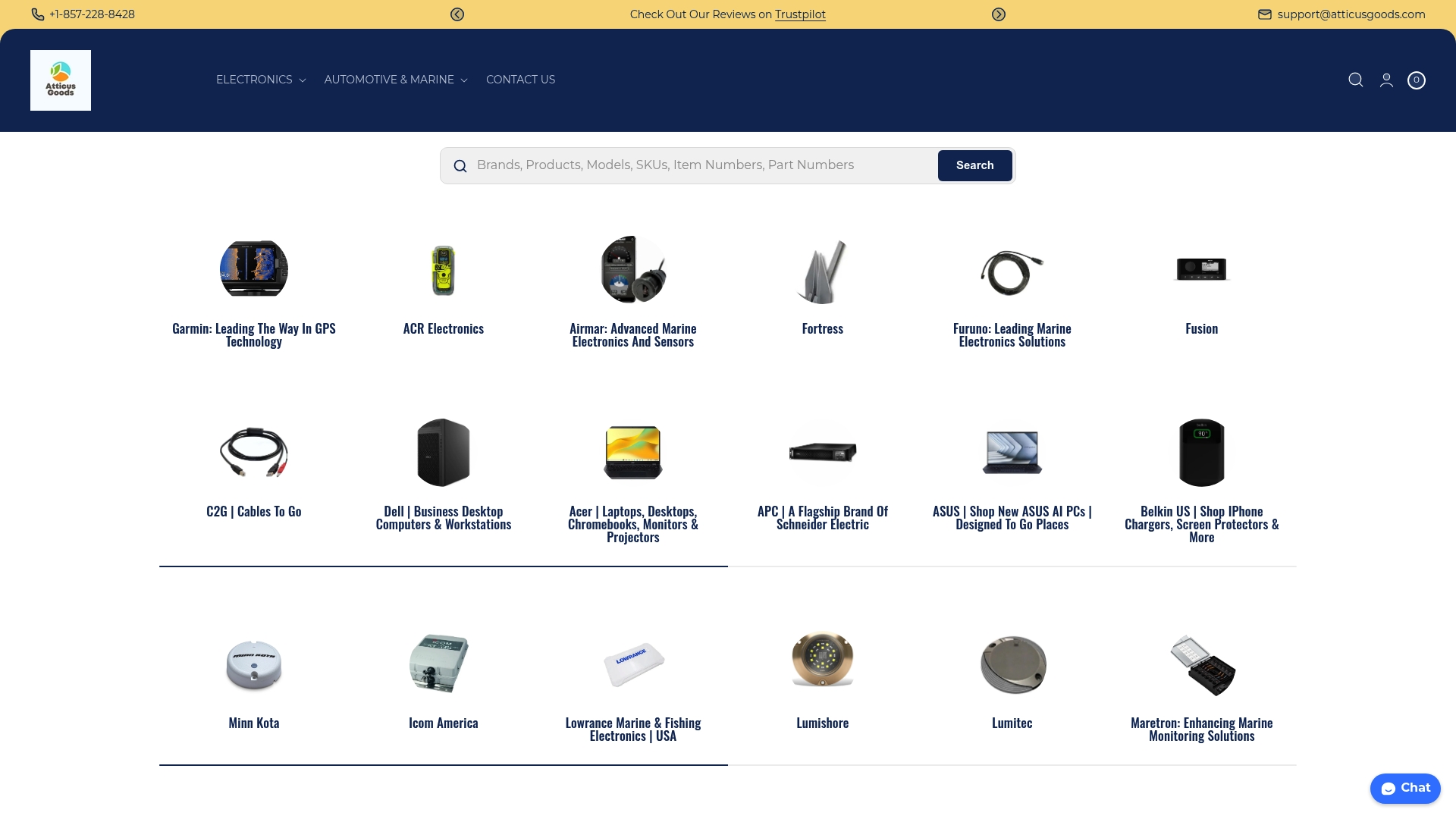
For business buyers evaluating high-margin product categories, Atticus Goods provides access to trusted brands at competitive prices. Whether you are building out an accessories line or sourcing niche tech items, the catalog covers the product types that consistently deliver strong margins. Fast shipping means you can test new SKUs quickly without committing to large inventory positions upfront.
FAQ
What electronics products have the highest profit margins?
Phone cases, tempered glass screen protectors, and braided USB-C cables consistently deliver the highest gross margins in electronics retail, often exceeding 80% gross margin per unit.
What is a realistic net margin for electronics retail?
Electronics net contribution margin typically runs 5–15% after accounting for logistics costs, return rates of 8–10%, and customer support expenses.
Is private label worth it for electronics entrepreneurs?
Private label is the top strategy for high-margin electronics sellers because it removes direct price competition and gives you full control over pricing and positioning.
How do return rates affect electronics profitability?
A return rate of 8–10% is standard in electronics retail. Each return erodes gross profit through reverse shipping costs, restocking fees, and lost inventory value.
What is the safest starting product for a new electronics seller?
Tempered glass screen protectors are the lowest-risk entry point. They have landed costs under $0.55, retail above $8.99, and generate very few returns or support issues.