

The Historical Majesty of Fortresses
Imagine standing on a high, stone battlement, scanning the horizon for any hint of danger. These towering structures, known as fortresses, were crucial bastions of defense and power throughout history. The architectural marvel of a fortress not only symbolized military strength but also served as a key element in territorial control, political maneuvering, and cultural development.
Fortresses were more than mere barriers; they were living entities at the heart of medieval societies, witnessing countless tales of intrigue, bravery, and conquest. As political and military strategies evolved, so did the design and utility of these strongholds. From the formidable structures of the Roman Empire to the elaborate fortifications atop castle hills across Europe, fortresses played a pivotal role in shaping the geopolitical landscapes of their times.
The Evolution of Fortress Design
Throughout different eras, fortress architecture transformed to meet the changing demands of warfare. Initially featuring simple Earth and timber constructions, fortresses evolved into complex stone edifices designed to withstand sieges and artillery attacks. The advent of gunpowder in the late medieval period brought significant changes to fortress designs, prompting the development of thicker walls and strategic star-shaped layouts, maximizing defensive capabilities.
One fascinating example of strategic evolution is the Krak des Chevaliers in Syria, a Crusader castle renowned for its formidable defenses and innovative design. According to UNESCO’s World Heritage List, the fortress became the blueprint for many subsequent constructions due to its concentric layout and robust fortifications, serving as a testament to medieval military architecture's brilliance.
Fortresses Today and Their Cultural Impact
Though their military utility has waned, fortresses continue to capture the imagination today. They are celebrated as architectural wonders and are pivotal in promoting tourism and cultural heritage. For instance, the Mont Saint-Michel in France, originally a medieval fortress, is now a UNESCO World Heritage site attracting millions of visitors annually, as reported by the World Heritage Convention.
Investigating the historical significance and enduring allure of these remarkable structures, one can appreciate not only their architectural grandeur but also their lasting imprint on human history. In a related realm, exploring modern innovations like the Humminbird Mega 360 Imaging Ultrex 2 System offers insights into how technological advancements continue to shape strategic thinking today.
The Strategic Importance of Fortresses
Fortresses have been central to military strategy throughout history, serving as both defensive strongholds and symbols of power. Their strategic importance can be traced back to their ability to control key geographical locations, often overlooking trade routes or protecting borders. For instance, the historic castle of Dover in England famously served as a guardian of the English Channel, thwarting invasions due to its imposing presence and strategic location.
Defensive Architecture and Design
Fortresses are marvels of architectural ingenuity, specifically designed to deter enemy advances and withstand sieges. The intricate design of fortresses typically includes high walls, moats, and towers, which collectively enhance their defensive capabilities. Moreover, many fortifications were equipped with innovative designs like angled bastions, which allowed defenders to cover large areas with minimal manpower. The star fort design is a notable example, enabling defense through the tactical use of geometry to potentially reduce blind spots and enhance fields of fire.
Modern Analogues and Applications
Today, while traditional fortresses might not hold the same strategic significance in warfare, the principles behind their construction influence modern defense strategies. For instance, security infrastructure around critical assets, such as military bases and government buildings, often incorporates elements of fortress design to enhance protection and control. Similarly, the concept of a digital fortress is relevant in cybersecurity, where layers of defenses are employed to guard against cyber threats, paralleling the multi-layered defenses of historical fortresses.
Another interesting modern application is in personal wellness routines, where the idea of a strong, protective system is mirrored. Much like a fortress defends against external threats, certain wellness practices aim to build resilience against stress and physical strain. To explore practical ways to fortify your personal health, consider reviewing insights like those in the article Soothe Naturally Why An All Natural Anti Inflammatory Muscle Rub Belongs In Your Wellness Routine, which discusses strategies for enhancing well-being.
As one delves deeper into the study of fortress construction, parallels can be drawn with contemporary strategic thinking, weaving historical insights seamlessly into today's innovations. This enduring legacy highlights both their architectural significance and the ongoing influence of their strategic foundations.
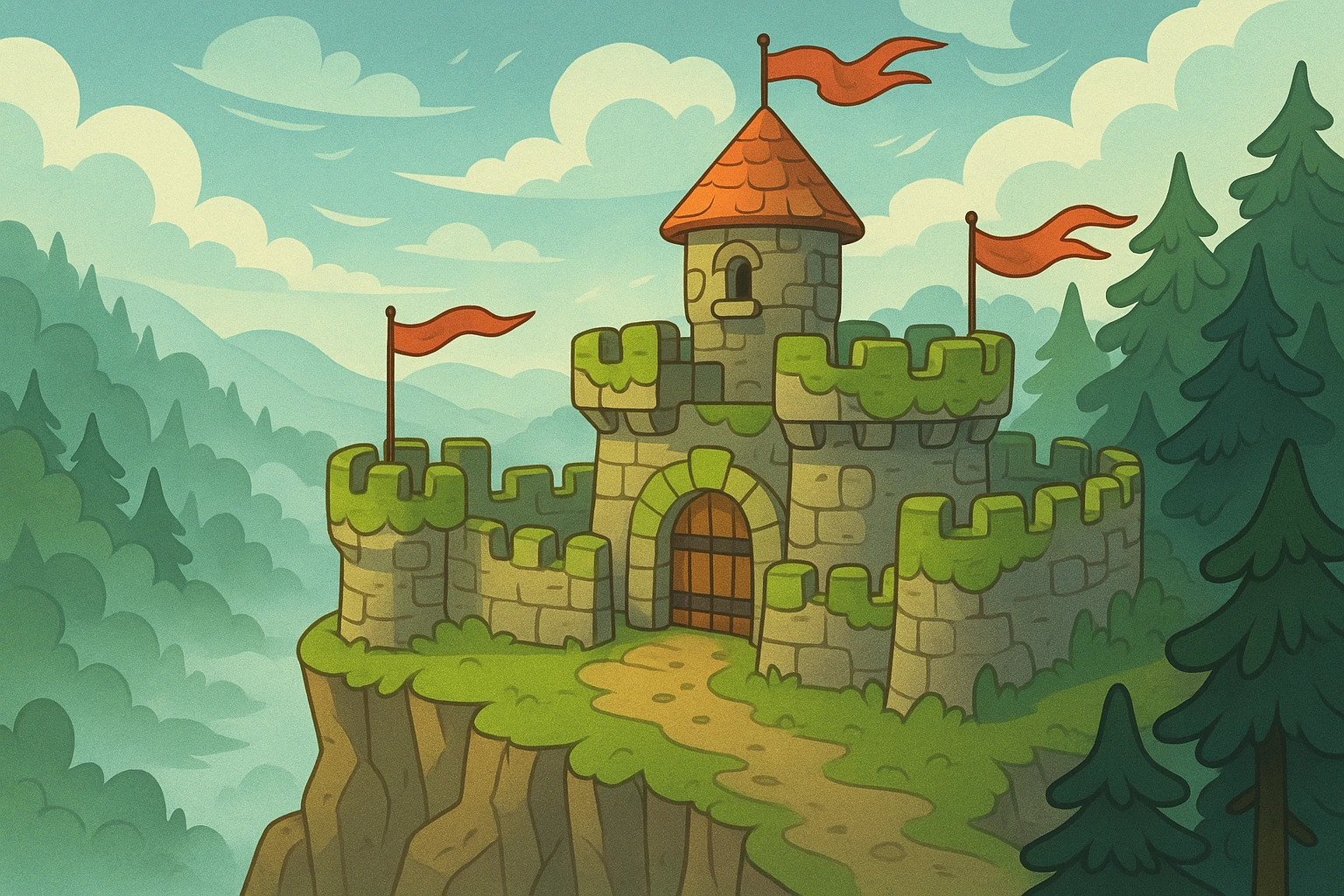
Significance of Fortresses in Modern Context
In contemporary times, the concept of a fortress has transcended its original purpose and evolved into a powerful metaphor for security and resilience. While historical fortresses were tangible, walled structures meant to keep invaders at bay, today's interpretation often relates to the intangible yet crucial elements of data security and personal well-being. Organizations now construct digital "fortresses" with robust cybersecurity measures to protect sensitive data from the ever-increasing threats of cyber-attacks and breaches. According to a report by Cybersecurity Ventures, cybercrime is expected to cost the world $10.5 trillion annually by 2025, highlighting the urgent need for such digital barricades (Cybersecurity Ventures).
On a personal level, building a fortress around mental and physical health has become increasingly important. The demands of modern life can lead to stress and burnout, necessitating the creation of strong, healthy boundaries. Embracing comprehensive wellness routines, which may include natural remedies and self-care practices, individuals can create their own protective fortresses. Exploring resources like Why Natural Home Remedies Deserve A Place In Your Wellness Routine provides insights into fortifying personal health.
Real-World Applications and Technology
In the business world, the concept of a fortress is not alien. Successful companies strive to build a fortress-like brand reputation, safeguarding their market position against competitive threats. For example, platforms like Atticus Goods empower businesses to enhance efficiency and maintain a robust market presence, ensuring resilience in an ever-changing economic landscape.
The implications of fortresses extend to urban planning as well. In architecture, fortresses inspire the design of secured living environments, combining aesthetics with function. Security systems embedded within residential complexes are modern reflections of fortress architecture, aiming to create safe havens within urban settings. As cities expand, the demand for security increases, thus making the fortress mentality an integral part of urban development strategies.
Adaptive Reuse and Future Resilience
Building on the idea that fortified spaces can be both secure and elegant, this section explores how adaptive reuse and modern design practices shape the evolution of fortress-inspired environments. Drawing from historical precedents and emerging innovations, designers are transforming existing structures and crafting new ones that embody the defensive ethos while meeting contemporary needs.
Learning from Vernacular Defense
Examining traditional defensive homes offers valuable insights for sustainable architecture today. A case study of Fuxing Bao, a Fujian Tubao dwelling, illustrates how vernacular fortifications were informed by both security demands and environmental constraints. The design’s north–south-oriented residential blocks, independent courtyards, and passive materials reflect a low-energy microclimate system that required minimal mechanical intervention. These features exemplify how defensive architecture can align with ecological intelligence and provide guidance for adaptive reuse in today's sustainable design initiatives Tandfonline study.
Inspiring Modern Architectural Interventions
Historic fortresses across the Mediterranean are finding renewed purpose through multi-scalar and community-driven adaptations. The Venetian Fortress of Rethymno in Crete exemplifies this trend—it has been revitalized as a multifunctional cultural center without compromising its defensive character. Such projects illustrate the potential of fortress architecture to serve contemporary civic life while preserving cultural identity Fortmed study.
Design Principles for Adaptive Fortress Spaces
- Preserve key defensive elements, such as thick walls or layered gateways, and integrate them into new functions like galleries or gathering halls.
- Engage diverse stakeholders, including public and private partners and local communities, to ensure cultural respect and functional viability.
- Incorporate sustainability by aligning passive heating, cooling, and natural light controls with the original spatial orientation, reducing reliance on mechanical systems.
- Balance historical integrity and modern needs through reversible interventions that allow adaptation without permanent alteration of the original structure.
Transitions like these underscore how fortress-like features—once tools for defense—can be reinterpreted to serve community, culture, and ecological resilience in the 21st century. Updating historic bastions into vibrant civic commons not only preserves architectural heritage but also reinforces a legacy of protection in progressive, people-centered forms.

Conclusion
As we've explored throughout this article, the concept of a fortress extends beyond mere physical structures, embodying robustness, protection, and strategic planning in both literal and metaphorical contexts. Understanding how to build your own 'fortress,' whether in terms of cybersecurity, business strategies, or personal development, requires integration of innovation and foresight.
One of the key takeaways is the power of adaptability. Just like historical fortresses that evolved over time, your strategies and systems should be flexible enough to handle new challenges and leverage advancements. In the digital realm, this could mean enhancing your cybersecurity protocols to safeguard data, as emphasized by recent insights into cybersecurity trends. Being proactive, rather than reactive, ensures that your defenses remain impenetrable.
For entrepreneurs and business leaders, creating a fortress might also mean establishing a strong brand presence and staying resilient in turbulent markets. For example, businesses that successfully weather economic downturns often do so by fortifying their financial reserves and diversifying revenue streams. Entrepreneurs looking to bolster their strategy can find valuable resources at Atticus Goods, offering a wealth of tools to support sustainable growth and innovation.
On a personal development level, envisioning yourself as a fortress involves building resilience. This could include cultivating a growth mindset, engaging in continuous learning, and constructing a solid support network, helping you withstand personal and professional setbacks. By investing in these areas, you not only secure your future but also enable yourself to thrive in an ever-changing landscape.
In conclusion, the fortress metaphor provides a robust framework for thinking about stability and protection across different facets of life. As you implement these ideas, continuous evaluation and adaptation are crucial. It's about creating layers of defense and opportunity, ensuring that you not only survive but also succeed regardless of the challenges you face.
To explore more innovative strategies and tools for building your personal or business fortress, consider leveraging the expertise available through Atticus Goods. They offer comprehensive support ensuring your endeavors are well-guarded and future-ready.
Article Generated by Rankaria