

Introduction to the World of Televisions
The world of televisions has evolved dramatically over the past few decades, transforming from bulky boxes to sleek, high-definition wonders. At the heart of this revolution is a blend of technology, consumer demands, and innovative design. Televisions are more than just entertainment devices; they have become central to our homes, acting not only as sources of information and entertainment but also as smart hubs connecting various devices.
In today's competitive market, understanding the latest trends in television technology is crucial. One prominent trend is the rise of 4K and 8K resolutions, which offer viewers a breathtakingly detailed image quality. According to a recent study by Statista, the global 4K television market is expected to surpass 380 million units by 2026, underscoring the strong consumer appetite for higher resolution screens.
Another significant development is the expansion of smart TVs, which integrate internet capabilities and streaming services directly into the television interface. This feature provides users with seamless access to platforms like Netflix, Hulu, and Amazon Prime, transforming the traditional viewing experience into a personalized, interactive journey. The demand for smart televisions surged during the pandemic as more people turned to home entertainment, a trend confirmed by NPD Group, which reported a noticeable increase in smart TV sales in the United States in 2021.
Moreover, the integration of technologies such as Artificial Intelligence and voice recognition has made televisions more accessible and user-friendly. With these innovations, users can now control their TV settings, search for shows, or even browse the internet using simple voice commands. This technological leap supports a more inclusive viewing experience, catering to a broader audience, including those with disabilities.
For individuals seeking to maximize their home theater experience, considering additional equipment like soundbars or external speakers can make a significant impact. Enhancing the auditory experience often goes hand-in-hand with the visual, amplifying the immersive aspect that modern televisions strive to deliver. To explore further improvements for home setups, consider reviewing products that synchronize with these entertainment systems, similar to how the Humminbird Mega 360 Imaging Ultrex 2 System offers unparalleled imaging integration in other areas of technology.
As televisions continue to evolve, they remain a testament to our ongoing quest for richer and more engaging visual experiences. Whether it's through higher resolutions, smarter tech, or enhanced sound, the journey of the television is far from over.
The Technological Evolution of Televisions
Televisions have undergone significant transformations over the decades, beginning as bulky cathode ray tube (CRT) devices to the advanced flat-panel displays of today. This evolution is guided by the continuous demand for better picture quality and user experience.
From CRT to Flat-Panel Displays
The shift from CRT to flat-panel displays marked a pivotal moment in the television industry. CRT televisions were recognized for their high resolution and color accuracy, yet they were cumbersome and took up substantial space. The introduction of plasma and liquid crystal display (LCD) technology revolutionized the market by offering slimmer designs and improved image quality. According to a report by Statista, LCD remains the dominant display technology, accounting for over 80% of global television shipments.
The Rise of OLED and QLED Technologies
While LCD technology continues to dominate, Organic Light Emitting Diode (OLED) and Quantum Dot Light Emitting Diode (QLED) have emerged, catering to high-end market segments. OLED televisions offer superior contrast, deeper blacks, and a wider viewing angle, enhancing the overall visual experience. QLED, championed by brands like Samsung, augments color accuracy and brightness by incorporating quantum dot technology. These advancements exemplify how innovation meets consumer expectations for vivid and immersive visuals.
Smart TVs: The Fusion of Television and Internet
The advent of smart TVs has redefined how televisions are used, offering integrated internet connectivity and access to streaming apps such as Netflix and Hulu. This integration allows for seamless content delivery without relying on external devices. A survey by Nielsen revealed that more than half of US households own a smart TV, highlighting the shift towards interactive and versatile media consumption.
The Future of Televisions
With the continual evolution of television technology, the future promises even more exciting innovations. Emerging trends point toward 8K resolution, augmented reality (AR) integration, and even more advanced AI-driven content recommendation systems. These developments promise to make televisions not just a viewing device but a central hub of household entertainment and connectivity.
The Impact of Modern Televisions on Viewing Experience
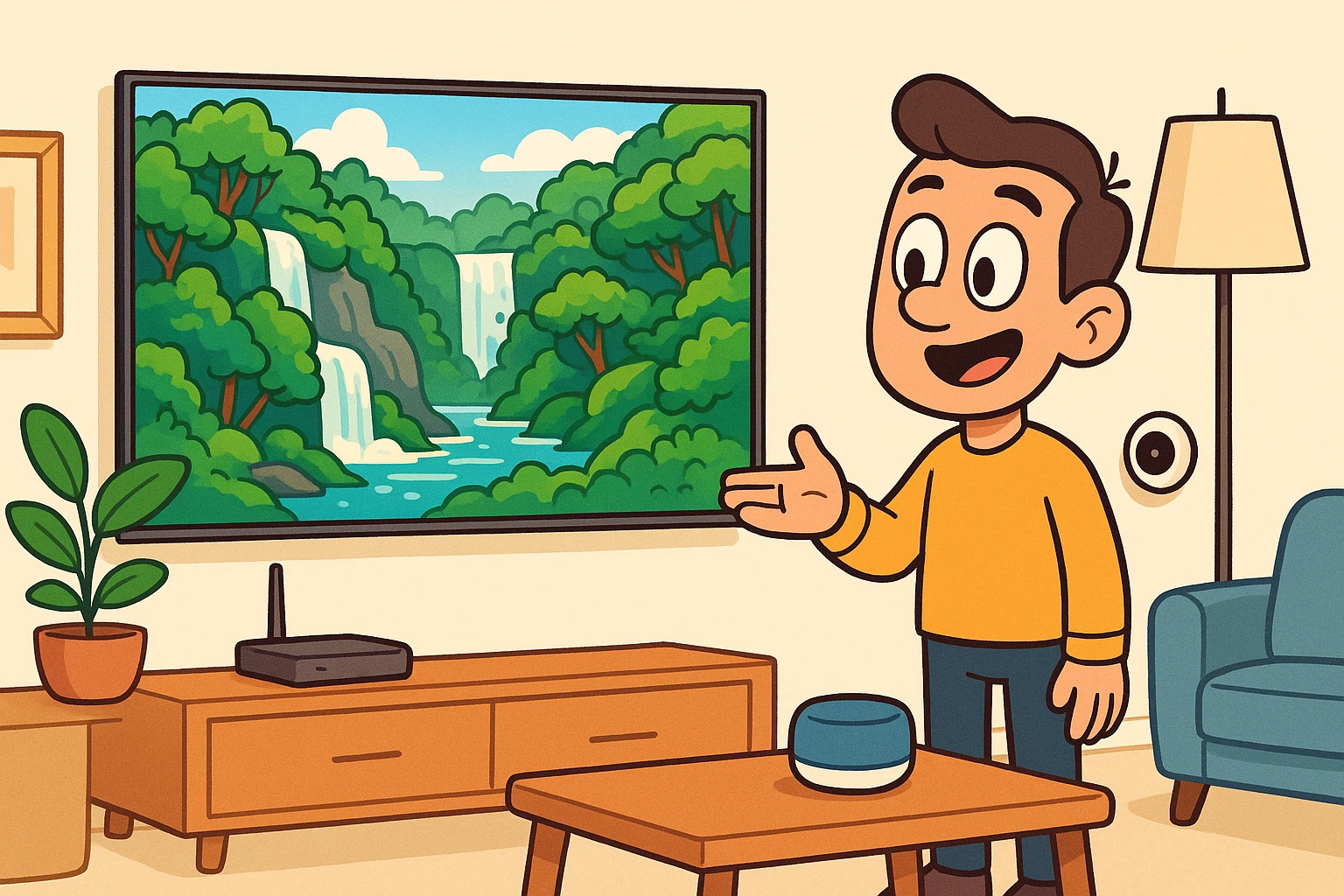
Today's televisions have dramatically transformed the way we consume media, offering an unprecedented viewing experience. With the advancement of screen technology, such as OLED and QLED, viewers can enjoy stunning picture quality with deep blacks and vivid colors. This evolution is not just about visual aesthetics; it fundamentally enhances the storytelling aspect, making every visual narrative more immersive. For instance, an OLED television allows for finer details and contrasts in dark scenes, giving viewers a cinematic experience right at home.
Smart Features and Connectivity
The integration of smart features in televisions has revolutionized content accessibility. With inbuilt applications like Netflix, Hulu, and Disney+, viewers can effortlessly switch between different platforms, significantly broadening their entertainment options. Additionally, the ability to connect with other smart devices, such as Amazon Alexa and Google Home, allows users to control their televisions with voice commands, adding a layer of convenience that was unimaginable a few decades ago.
Interactive Television as a Tool for Learning
Beyond entertainment, modern televisions are increasingly used as educational tools. Platforms such as YouTube and Khan Academy offer a plethora of educational content accessible directly from the TV. This feature has proven particularly beneficial during remote learning phases, helping both students and teachers create more dynamic and engaging learning environments. According to a report by Digital Trends, educational apps available on smart TVs are being utilized in classrooms and homes to enhance learning experiences.
For those seeking a reliable resource to enhance their home's aesthetic alongside their television setup, Atticus Goods offers a range of stylish home decor options that complement modern technology seamlessly.
Advancements in Audio Technologies
Audio technology has also seen remarkable advancements, with modern televisions supporting dynamic sound systems like Dolby Atmos. These innovations allow sound to move in a three-dimensional space, providing a more immersive audio experience. Televisions equipped with such technology can enhance the overall viewing experience, making it more engaging and lifelike.
For those interested in maximizing their television's sound capabilities, exploring options such as soundbars and home theater systems could significantly enrich the auditory experience. As televisions continue to evolve, their role in our lives expands beyond mere entertainment, becoming a central component of multi-functional living spaces.
The Future of Televisions: Innovations on the Horizon
The realm of televisions is on the brink of remarkable innovations that promise to redefine user experiences. With continuous advancements in technology, the future landscape of visual entertainment is set to be more immersive and interactive than ever before.
Smart TV Integration and Connectivity
One of the most significant areas of development is in smart TV integration. Modern televisions are rapidly evolving into hubs for controlling a wide array of smart home devices. Thanks to advances in AI and IoT, users can seamlessly integrate their televisions with smart lighting systems, thermostats, and even security cameras. This interconnected ecosystem offers a streamlined experience that enhances convenience and functionality. For example, using voice controls via digital assistants like Alexa or Google Assistant, viewers can adjust their environment without ever leaving their couch.
AR and VR Capabilities
Augmented Reality (AR) and Virtual Reality (VR) are poised to become key features in future television sets. By integrating these technologies, manufacturers aim to provide a more immersive viewing experience. Imagine watching a sports event on your TV and being able to view real-time statistics or 3D replays with just a gesture. Companies like LG and Samsung are investing heavily in research and development to bring AR and VR integrations mainstream, transforming the way we interact with our televisions.
Eco-Friendly Designs
Sustainability is becoming a major focus in the manufacturing of televisions. With growing awareness around environmental issues, companies are adopting eco-friendly practices in design and production. According to a recent study by Energy Star, energy-efficient models are not only reducing power consumption but also cutting down on e-waste through the use of recyclable materials. These initiatives are crucial as consumers increasingly prioritize sustainability in their purchasing decisions.
Advanced Display Technologies
Display technologies are undergoing rapid transformation with developments in OLED and MicroLED technologies leading the charge. These new displays offer superior image quality, boasting richer colors and deeper blacks, greatly enhancing the visual experience. Experts from CNET highlight how these innovations in display technologies not only improve picture quality but also reduce energy usage, aligning with global sustainability goals.
As televisions continue to evolve, they promise to deliver more than just entertainment. These advancements will make TVs essential components in modern, connected, and environmentally friendly homes. With ongoing innovations, the horizon is bright for this pivotal piece of home technology.

Conclusion: Making the Right Decision in Televisions
Choosing the perfect television can significantly enhance your viewing experience, making it crucial to evaluate several factors before purchase. As technology continues to evolve, options in the television market have expanded, offering everything from high-definition displays to smart integration. With a clear understanding of your personal needs and preferences, selecting a TV that meets your requirements becomes more accessible and rewarding.
Investing in televisions with advanced features such as OLED or QLED screens ensures not only remarkable image quality but also energy efficiency and longevity. Pay attention to resolution capacity if you enjoy immersive graphics or need a screen suitable for the whole family. Additionally, considering sound quality and connectivity options, such as HDMI and wireless capabilities, can make the difference between a good and great home entertainment setup.
Moreover, it’s essential to stay informed about the latest trends and features through reliable sources and industry insights. For example, the integration of voice control and AI technology in televisions is gaining popularity and could influence your decision-making if you desire seamless operation and a connected home environment. Keeping abreast of such advancements will arm you with the knowledge needed to make an informed choice.
For those who prioritize quality and reliability, exploring brands that consistently receive positive user reviews and expert endorsements can be beneficial. Researching thoroughly and, if possible, experiencing demos in-store can help ensure satisfaction with your new television. As you finalize your selection, ensure that your chosen model fits well within your designated space and complements your home’s aesthetics.
To aid your journey in exploring and choosing among the various models of televisions, consider utilizing resources like Atticus Goods, which offers excellent guidance and tools tailored for tech-savvy purchasers. Discover how their offerings can further enhance your television experience, providing the perfect blend of innovation and customer satisfaction.
Article Generated by Rankaria