

Introduction
The world of fishing is a captivating blend of patience, skill, and the right tools. For enthusiasts and professionals alike, fishing gear is not merely an assortment of rods and reels; it’s the gateway to exploration and adventure. With ever-evolving technologies and innovations, the market for fishing equipment offers a plethora of choices to enhance your angling experience. This article delves into the essential components of fishing gear, unraveling the intricacies that can significantly impact your success on the water.
The Fascinating Evolution of Fishing Gear
Fishing has ancient roots, but the tools and techniques have dramatically transformed over the centuries. From rudimentary bamboo rods to sophisticated digital fish finders, fishing gear has evolved to meet the needs of modern anglers. Companies like Garmin are leading the charge in producing advanced equipment that merges technology with tradition. For instance, the Garmin ECHOMAP Ultra 2 102sv Worldwide Basemap offers unparalleled mapping and sonar capabilities, exemplifying how digital advances have modernized the fishing experience.
Choosing the Right Fishing Gear
Selecting the appropriate fishing gear is a nuanced process that depends on several factors, including the type of water body, target species, and personal preference. It's crucial to consider these elements to optimize your fishing expeditions. As an example, choosing the right rod can significantly alter the fishing outcome; a lightweight, flexible rod may be preferable in freshwater for smaller fish, whereas a sturdier rod is better suited for deep-sea fishing.
Technological Integration in Modern Fishing
Incorporating technology into fishing gear has become increasingly common. Devices such as sonar modules and GPS-enabled systems help anglers locate fish more efficiently and navigate diverse aquatic environments. According to industry experts, the integration of such devices not only improves accuracy but also enriches the overall fishing experience. An article by National Geographic highlights the role of technology in sustainable fishing practices, ensuring that future generations can also experience the joys of fishing.
As we navigate through this series, the following sections will provide deeper insights into specific types of fishing gear, tips for maintenance, and emerging trends in the industry. Each aspect of fishing gear is crafted to enhance your catch while prioritizing sustainability and ethical practices.
Types of Fishing Gear
Fishing gear is diverse and versatile, designed to cater to different conditions and target species. Understanding the range of available options can significantly enhance your fishing experience. Whether you're a seasoned angler or a beginner, knowing what gear to use and when is crucial.
Rods and Reels
The cornerstone of any angler's equipment, rods and reels come in various configurations to suit specific fishing styles. Spinning rods, for example, are highly recommended for beginners due to their versatility. They can be used in both freshwater and saltwater environments, which makes them a staple in many anglers' arsenals. For those targeting larger species like bass or pike, baitcasting reels offer greater power and control.
Lines and Leaders
Lines and leaders are essential components of fishing gear. The type of line selected, be it monofilament, fluorocarbon, or braided, depends on factors such as water clarity and the species being targeted. Monofilament lines are cost-effective and user-friendly, while braided lines provide increased strength and sensitivity, making them ideal for fishing in dense cover. Leaders help protect your line from sharp-toothed fish, improving the odds of a successful catch.
Baits and Lures
An understanding of aquatic biology can aid in selecting the right baits or lures. Natural baits, such as worms and minnows, are often effective because of their tempting aroma and movement. Alternatively, artificial lures like jigs, spinners, and crankbaits mimic the appearance of prey and are tailored to provoke specific responses from fish. Staying informed about the latest trends in lure technology can give anglers an edge.
Innovations continue to shape the fishing gear landscape, with companies striving for sustainable solutions that reduce environmental impact. Switching to biodegradable baits, for instance, is one way anglers can contribute to environmental stewardship, ensuring that fishing remains a viable pastime for future generations. For further insights on practical sustainability tips, consider exploring our article on Why Natural Home Remedies Deserve A Place In Your Wellness Routine.
Fishing Accessories
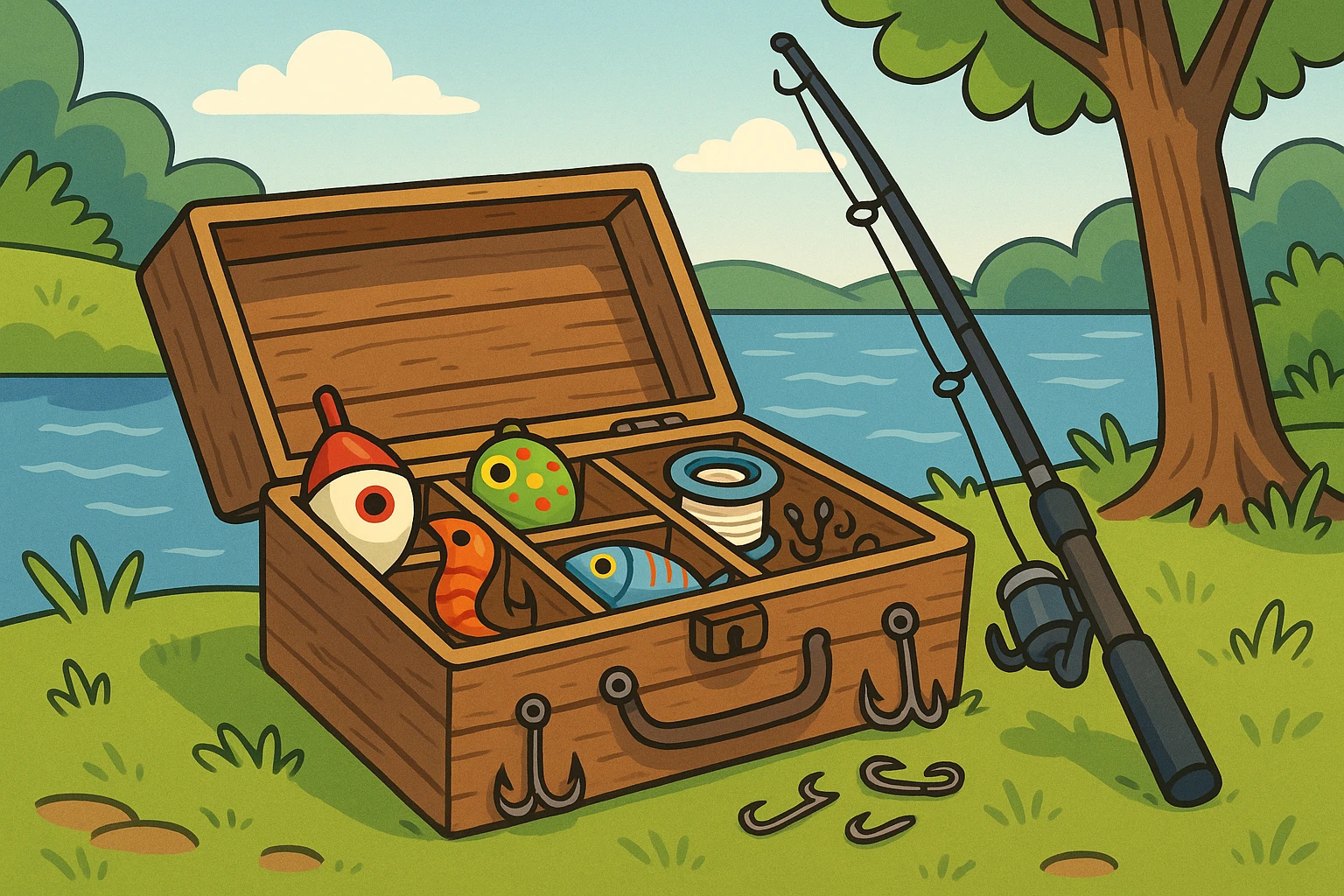
Beyond the basic tools, a range of accessories can enhance the fishing experience. Tackle boxes keep your gear organized, while polarized sunglasses reduce glare and improve visibility underwater. Having a handy multi-tool can assist with tasks such as cutting lines or removing hooks. These accessories are designed not only for convenience but also for efficiency on the water.
Choosing the Right Fishing Gear
Selecting the right fishing gear is critical for both novice and seasoned anglers to maximize their success and enjoyment on the water. The type of gear needed often depends on the target species, fishing location, and personal preferences. Here, we'll explore some essential considerations and options available to help tailor your fishing setup to your specific needs.
Understanding the Basics
At the heart of any fishing outfit is the fishing rod and reel. Spinning reels are generally recommended for beginners due to their ease of use and versatility, while baitcasting reels offer greater control and accuracy, appealing to more experienced anglers. The rod choice should complement the reel, with length and action being key factors; longer rods are better for casting distance, while shorter rods offer more control in tight spaces.
Selecting the Appropriate Line and Lure
Fishing lines come in various materials, including monofilament, fluorocarbon, and braided. Each type has its merits: monofilament is user-friendly and cost-effective, fluorocarbon is nearly invisible underwater, and braided line offers exceptional strength for heavy cover fishing. The lure selection is equally vital; understanding the feeding habits of your target fish can guide choices between jigs, crankbaits, or live bait.
Tailoring Gear to Environment
The choice of fishing gear should reflect the environment you’re navigating. For instance, saltwater fishing demands corrosion-resistant equipment, whereas freshwater gear can focus more on versatility. Adapting your setup according to local conditions can enhance performance and ensure a more enjoyable experience.
For enthusiasts seeking high-quality, durable options, specialized suppliers such as Atticus Goods offer a range of tools and accessories designed for avid anglers. From efficient setups to conservation-conscious products, they provide solutions tailored to diverse angling challenges.
Staying Informed and Prepared
Keeping abreast of the latest advancements in fishing technology and techniques can significantly impact your success rate. According to Fishing Tackle Retailer's data, innovations such as sonar and GPS integration are transforming fishing, offering real-time insights that enhance target acquisition and increase efficiency.
Ultimately, choosing the right fishing gear involves a mixture of personal preference, environmental considerations, and the latest advancements. By staying informed and choosing wisely, any angler can optimize their time on the water to great effect.
Maintenance and Care for Fishing Gear
Proper maintenance and care of fishing gear extend its longevity and performance, while also ensuring a safe and enjoyable fishing experience. This aspect of gear management is crucial yet often overlooked by many anglers. With consistent attention to detail, your gear can maintain optimal function over time.
Cleaning and Storage
One of the primary steps in maintaining fishing gear is regular cleaning and appropriate storage. After each use, especially in saltwater environments, rinse rods, reels, and other equipment with fresh water to remove salt and other residues. This prevents corrosion, which can significantly damage your gear. Once clean, dry the equipment thoroughly before storing it in a cool, dry place. For instance, using rod sleeves and reel covers can protect sensitive parts from dust and accidental damage.
Regular Inspection
Conduct regular inspections to identify wear and tear. Pay close attention to the rod guides, reel components, and line condition. Rod guides can develop nicks that may fray your fishing line. If you notice any damage, replace them promptly to avoid losing a catch. Reels should be opened occasionally to clean and lubricate the internal parts for smooth operation. Reel grease and oil, specifically designed for fishing equipment, are ideal products for this task.
Line Care and Replacement
Your fishing line is another essential component that requires diligent care. Over time, lines can become weakened or damaged by UV exposure, abrasion, and knot-tying. Inspect your line periodically and replace it at the first sign of fraying or loss of strength. This is particularly important if you engage in big game fishing where line durability is crucial for success. Using high-quality lines can enhance durability, but even these need replacement over frequent fishing seasons.
Environmental Considerations
While maintaining your fishing gear, it’s essential also to be environmentally responsible. Discard old lines and other disposable gear parts appropriately to prevent pollution and harm to wildlife. Many fishing communities promote programs for recycling fishing line and other gear components, providing eco-friendly disposal methods. According to BoatUS Foundation, proper disposal initiatives can significantly reduce environmental impact and preserve aquatic habitats.
Regular maintenance not only extends the life of your equipment but also ensures peak performance on the water. By integrating these habits into your fishing routine, you can enjoy a more seamless and sustainable angling experience.
Conclusion: Mastering Fishing Gear for Success
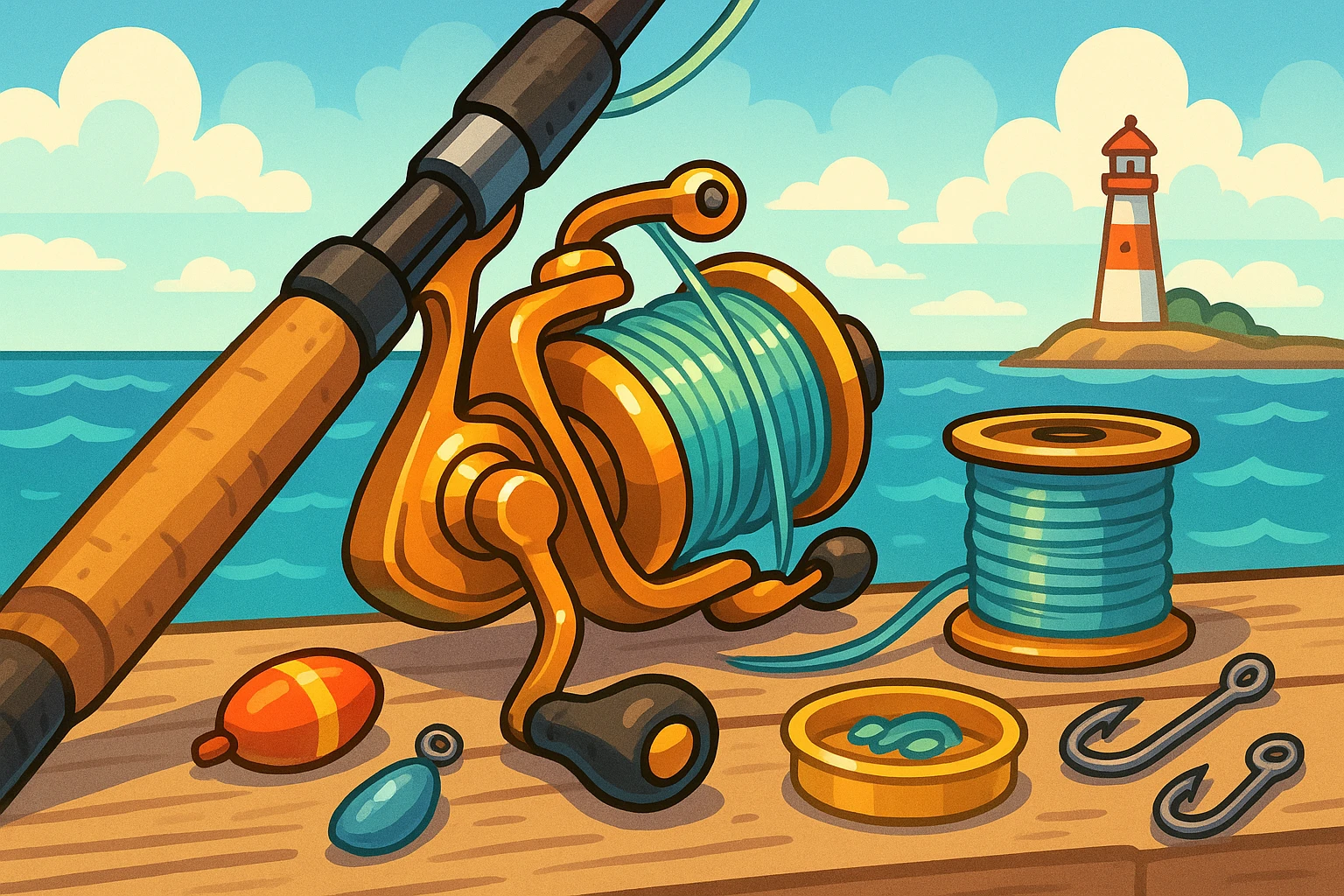
In the realm of fishing, mastering the right gear is pivotal for an enriching experience. From choosing the correct rod and reel to understanding the significance of suitable tackle, every element plays a role in ensuring a successful outing. Embracing high-quality fishing gear not only enhances your efficiency but can also turn challenging catches into rewarding triumphs.
Key Takeaways and Action Steps
As you embark on your fishing expeditions, remember these essential insights: First, investing in durable and versatile rods will significantly impact your performance across different fishing environments. Second, selecting reels that cater to the specific demands of your location, whether freshwater or saltwater, optimizes your angling efforts. Lastly, personalized tackle options can make the difference in attracting your target species.
For those looking to enhance their fishing journeys, consider starting with a strategic evaluation of your current gear. Identify any gaps or outdated equipment and seek advice from industry experts, whether it's through online forums or local fishing clubs. Upgrading your gear can revitalize your approach and enthusiasm for the sport.
The Path Forward
To ensure you are always on top of your game, join communities of fellow enthusiasts and experts where knowledge exchange is encouraged. Sharing tips and strategies fosters a collaborative environment that benefits all members of the fishing community. Access to diverse perspectives can be particularly helpful when experimenting with new techniques or tackling unfamiliar terrains.
For personalized recommendations and premium fishing gear, consider exploring resources offered by Atticus Goods. Their comprehensive guide provides both amateur and seasoned anglers with tools that empower and inspire effective fishing practices. As you move forward, leverage these insights to refine and elevate your fishing adventures significantly.
Should your outdoor activities lead to muscle soreness, especially after a rigorous day of fishing, you might find relief in exploring the benefits outlined in Soothe Naturally: Why An All Natural Anti Inflammatory Muscle Rub Belongs In Your Wellness Routine. This resource provides natural solutions to enhance your post-adventure recovery.
Embrace the art of fishing with confidence, purpose, and the right gear to transform every trip into a memorable experience. Dive into the vast world of fishing with a clear vision, armed with knowledge, the best equipment, and a commitment to continuous learning and improvement.
Article Generated by Rankaria