

Introduction to GPS Technology
Imagine navigating the world without having to unfurl massive maps or asking strangers for directions. Since its inception, GPS technology has revolutionized the way we perceive and interact with our surroundings. This fascinating system, which stands for Global Positioning System, embodies a complex network of satellites and ground stations working in harmony to provide pinpoint location data almost anywhere on Earth. But what truly lies behind this technology that has so gracefully integrated into our daily lives?
The Origins and Evolution of GPS
The journey of GPS technology began during the Cold War era, when the United States Department of Defense sought a robust system for military navigation. The idea was to have a series of satellites orbiting the Earth, capable of delivering accurate location information to ground-based devices. GPS was officially launched for public use in the 1980s, following the remarkable success it achieved in military applications. Since then, it has evolved through several upgrades, becoming more precise, affordable, and accessible.
Real-world Applications of GPS
Today, GPS technology is a cornerstone for numerous industries. In the realm of transportation, it has made significant contributions to enhancing route efficiency and safety. Companies like Uber have leveraged GPS to offer their users real-time tracking of rides, thereby enhancing both driver and passenger security. Moreover, logistics companies rely heavily on GPS to streamline their supply chains, reducing delivery times and improving customer satisfaction. A compelling case study involves the deployment of GPS-enabled devices in agriculture, where farmers utilize this technology to optimize crop yields by precisely targeting areas for fertilization and irrigation.
Impact on Marine Navigation
GPS technology has also dramatically transformed marine navigation. Devices such as the Garmin ECHOMAP Ultra 2 102sv Worldwide Basemap No Transducer are now indispensable tools for mariners around the globe. They offer highly detailed maps and precise location tracking, significantly enhancing navigational accuracy and safety at sea.
The Future of GPS
As we look toward the future, the potential of GPS technology appears boundless. Innovations such as the integration of advanced sensors and the development of augmented reality applications promise to push the boundaries of what GPS can achieve. As further advancements unfold, this transformative technology will undoubtedly continue to shape the landscape of numerous industries while making our everyday interactions with the world more efficient and insightful.
Applications of GPS Technology in Modern Industries
Global Positioning System (GPS) technology has firmly entrenched itself as an indispensable tool across a variety of industries, driving innovations and improving efficiency. From transportation to agriculture, GPS technology enhances operational capabilities and offers precise data that transforms business practices.
Transportation and Logistics
The transportation industry relies heavily on GPS technology to optimize routes, track shipments, and improve fuel efficiency. Companies like FedEx and UPS use GPS for real-time tracking of delivery vehicles, reducing fuel costs by minimizing idle times and ensuring timely deliveries. According to a report by the Global News Wire, the GPS tracking market is estimated to reach $2.89 billion by 2023, highlighting its growing influence in logistics.
Agriculture
In the realm of agriculture, GPS technology enables precision farming, which helps farmers maximize yields while minimizing waste. By using GPS-enabled equipment, farmers can monitor field conditions, plan planting and harvesting schedules, and conserve resources like water and fertilizers. Products such as John Deere's GPS-guided tractors have revolutionized crop management by providing real-time data and eliminating manual guesswork, ultimately boosting productivity and sustainability.
Construction
The construction sector benefits significantly from the integration of GPS technology, enhancing accuracy and safety on building sites. Engineers and project managers use GPS for surveying land, ensuring precise positioning and reducing errors in construction projects. ShareCat, a construction management firm, reported a 20% reduction in project costs while using GPS technology, as noted in their efficiency studies.
Healthcare and Emergency Services
GPS technology plays a crucial role in healthcare and emergency services, offering solutions for tracking medical shipments and routing ambulances efficiently. For instance, the implementation of GPS in ambulance services can significantly reduce response times by up to 30%, as reported by the Journal of Public Health Management and Practice. Moreover, wearable devices with GPS functionalities are increasingly used to track patients' movements, especially those with cognitive impairments, thereby enhancing patient safety.
GPS technology continues to push boundaries and redefine possibilities in multiple sectors beyond those mentioned. As this transformative tool evolves, its applications will undoubtedly expand, further intertwining with our daily business operations and shaping the future of various industries.
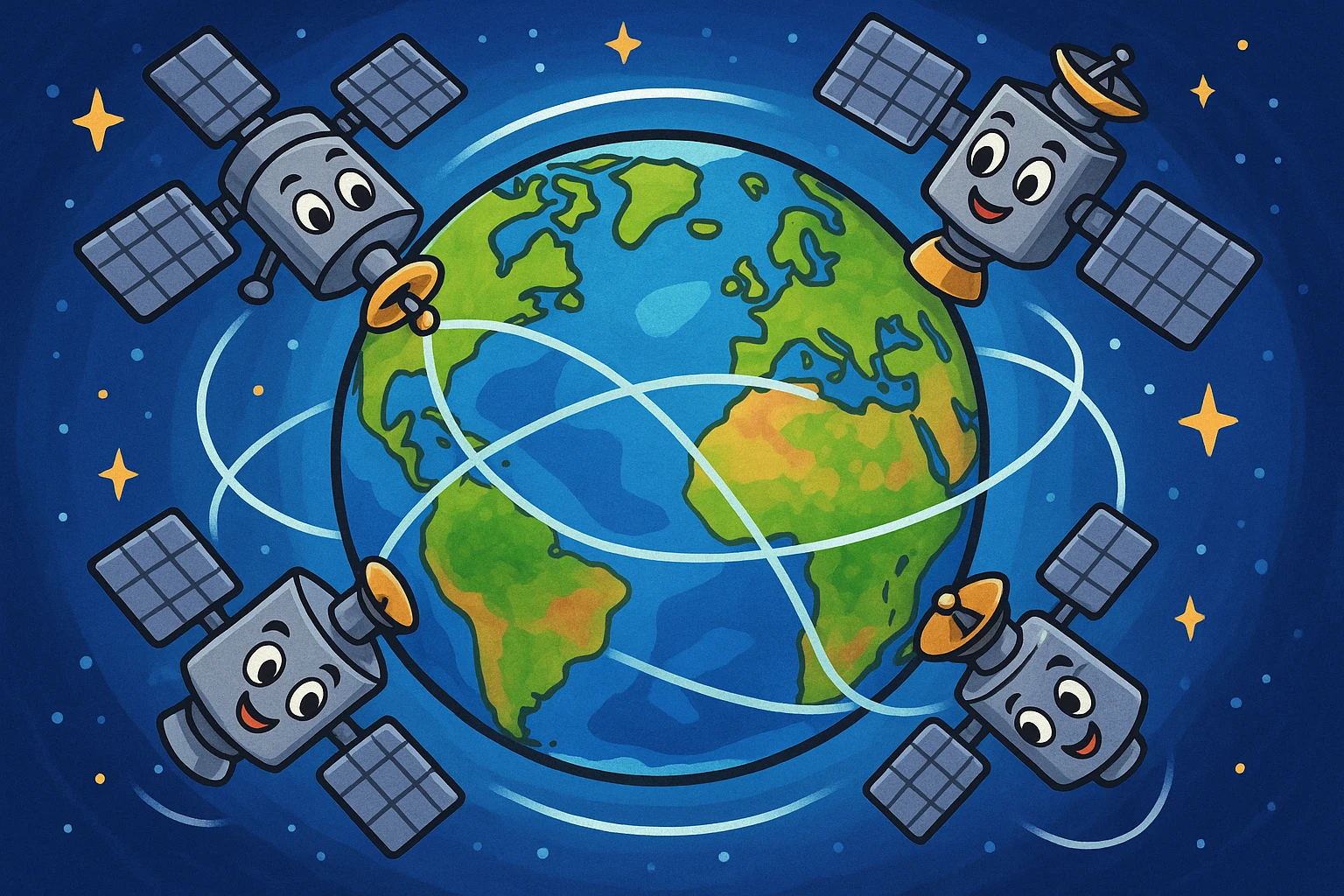
Practical Applications of GPS Technology
The versatile nature of GPS technology has led to its integration across numerous industries, transforming how businesses and consumers interact with the world. One of the most notable applications is in navigation, where GPS has become an indispensable tool for both professional drivers and everyday commuters. Advanced systems in cars and smartphones provide turn-by-turn directions, real-time traffic updates, and estimated arrival times, making travel more efficient and reducing fuel consumption.
Another significant application lies within the field of agriculture. Precision farming, powered by GPS, enables farmers to enhance crop yields by monitoring and managing their fields with unprecedented accuracy. By employing GPS-guided equipment, farmers can optimize planting patterns, apply fertilizers with precision, and even monitor the health of crops via drone technology. This efficiency not only boosts production but also contributes to sustainable farming practices.
In logistics and supply chain management, GPS technology plays a critical role. Companies rely on GPS to track shipments, monitor fleet movements, and ensure timely deliveries. This level of visibility allows businesses to make informed decisions, improve operational efficiency, and enhance customer satisfaction. For example, companies like Amazon use sophisticated logistics enabled by GPS for prompt delivery services.
Beyond these commercial applications, GPS technology has found innovative uses in health and safety. Wearable devices equipped with GPS help track fitness metrics and ensure personal safety by allowing users to share their locations with family or emergency services during activities like hiking or running. Moreover, tools like natural home remedies can complement these technologies in personal wellness routines.
The future of GPS technology also extends into smart urban planning. Cities are increasingly using GPS data to enhance public services, optimize traffic flow, and reduce congestion. Through smart city initiatives, GPS facilitates the collection and analysis of urban data, paving the way for efficient resource management and improved quality of life for residents.
The capabilities of GPS technology continue to expand, driving innovation across various sectors. As new applications emerge, solutions like Atticus Goods offer tools and platforms that leverage these advances, ensuring that industries and individuals alike can benefit from this transformative technology.
Innovative Applications of GPS Technology
In recent years, GPS technology has revolutionized various domains by integrating seamlessly into daily life. From enabling precise navigation for consumers to facilitating sophisticated logistics solutions, GPS technology is a cornerstone of modern innovation.
Transportation and Logistics
One of the most transformative applications of GPS technology is in transportation and logistics. Companies like Uber and Lyft have harnessed GPS to offer seamless ride-hailing services by accurately locating drivers and passengers. On a larger scale, logistics companies optimize delivery routes and track shipments globally. According to Forbes, businesses leveraging GPS in supply chain management experience significant delivery efficiency improvements, cut costs, and reduce environmental impact by minimizing fuel consumption.
Agricultural Advancements
In agriculture, GPS technology has spurred advancements in precision farming. Farmers use GPS-guided tractors to plant crops with unmatched accuracy, ensuring optimal plant spacing and fertilizer application. This application not only boosts crop yields but also minimizes waste, contributing to sustainable farming practices. As stated in a study published in ScienceDirect, precision agriculture utilizing GPS can improve crop management efficiency by up to 30%.
Healthcare Innovations
Healthcare is also benefiting from GPS technology. Patient tracking systems in hospitals use GPS to monitor the location of medical equipment and personnel, ensuring swift responses in emergencies. Wearable health devices equipped with GPS provide real-time tracking for patients with conditions like Alzheimer's, offering peace of mind to families and caregivers.
Emergency Response and Disaster Management
In emergency response scenarios, GPS technology plays a critical role in coordinating rescue operations. During natural disasters, GPS aids agencies in efficiently deploying resources to affected areas. This capability ensures timely support and reduces response times, ultimately saving lives. For insights into how natural solutions enhance well-being, explore Soothe Naturally Why An All Natural Anti Inflammatory Muscle Rub Belongs In Your Wellness Routine.
These examples highlight GPS technology’s vast potential across industries. As advancements continue, our reliance on this powerful tool will only deepen, driving further innovation and efficiency. Whether optimizing agricultural practices or streamlining logistics, GPS technology is an indispensable asset in the modern world.

Conclusion: Embracing the Future of GPS Technology
GPS technology has undeniably transformed how we navigate the world, offering precision, convenience, and accessibility. Its evolution continues to impact various sectors, from personal navigation to large-scale logistics and emergency response systems. The integration of GPS into everyday devices highlights its importance and accessibility, making it an indispensable tool in today’s digital age.
One of the key takeaways is the critical role GPS plays in enhancing efficiency and safety. Consider the logistics industry, where GPS technology optimizes routes, reduces fuel consumption, and improves overall delivery times. Similarly, emergency services rely on GPS to quickly locate individuals in distress, potentially saving lives. As further advancements in GPS technology emerge, such as increased accuracy and integration with IoT devices, we can expect more innovative applications creating substantial impacts across various fields.
For businesses and individuals alike, understanding how to leverage GPS technology effectively can lead to enhanced productivity. For local businesses, incorporating GPS data can improve marketing strategies by targeting nearby potential customers, thereby increasing visibility and foot traffic. Artists, entrepreneurs, and creators can utilize these advancements to increase their visibility and reach audiences in new ways.
To harness these opportunities, staying informed about the latest trends and technological advancements in GPS is essential. Reputable sources such as TechCrunch report continuous growth and innovation in this field, highlighting the horizon of possibilities that lie ahead. For example, the implementation of real-time traffic data has revolutionized urban commuting by decreasing congestion and improving travel efficiency.
For those eager to explore these benefits and get the most out of GPS technology, consider using Atticus Goods. Their expertise can provide tailored solutions, ensuring seamless integration of cutting-edge GPS technologies into your daily operations or business strategies. As the technology evolves, staying ahead of the curve with trusted resources will be pivotal for success.