

Why bulk tech purchasing pays off from day one
The core benefits of bulk tech purchasing come down to two things: you spend less per unit, and you spend less time managing the process. Volume discounts off list price are commonly available in enterprise IT procurement, and the savings don’t stop at the invoice. Fewer purchase orders, consolidated shipping, and synchronized refresh cycles all reduce the hidden labor costs that quietly drain small business budgets.
Here’s what bulk buying actually delivers:
- Lower unit costs through volume discounts negotiated directly with distributors
- Reduced administrative overhead from processing one order instead of dozens
- Hardware standardization that cuts IT troubleshooting time significantly
- Spare inventory that eliminates costly emergency replacements
- Predictable budgets by locking in pricing before market fluctuations hit
- Stronger vendor relationships that yield better warranty and support terms
Table of Contents
- Financial benefits of buying technology in volume
- Logistical and operational advantages you’ll notice immediately
- How to put a bulk purchasing strategy into practice
- What Atticus Goods brings to bulk tech procurement
- Bulk purchasing makes your budget more predictable
- Volume licensing adds software savings on top of hardware discounts
- Bulk purchasing reduces your environmental footprint too
- Atticus Goods: your next step for bulk tech orders
- Key Takeaways
Financial benefits of buying technology in volume
The price discount is the most visible win, but it’s rarely the biggest one.
Bulk purchasing reduces administrative overhead because processing one large purchase order costs far less than managing a stream of individual ones. Invoice reconciliation, vendor communications, and approval workflows all multiply with every separate order. For a small business without a dedicated procurement team, that hidden labor cost adds up fast.
Timing your purchases strategically compounds the savings. Purchasing near the end of a quarter often yields better unit pricing than early-quarter buying, because distributors and resellers push hard to hit quota. Pair that timing with a sizable order and you have real negotiating leverage.
Stat to know: According to VendorBenchmark, enterprise IT teams often leave 5–10% on the table per contract by lacking independent benchmark data. For a small business, that gap is just as real and just as avoidable.
Larger orders also unlock better payment terms. Vendors treat bulk buyers as strategic partners, which means extended net terms, multi-year pricing locks, and sometimes free setup or extended support. Learning how to negotiate bulk electronics pricing before you place a large order can mean the difference between a good deal and a great one.
Logistical and operational advantages you’ll notice immediately
Standardizing on a single device model does more than simplify your inventory. Supporting multiple laptop models requires separate deployment images, different driver sets, and more troubleshooting time. A uniform fleet means one image, one configuration, and faster onboarding for every new hire.

Consolidated shipping is another underrated win. Single large shipments cut per-unit freight costs and free your team from repetitive receiving tasks. Ten individual deliveries over six months means ten rounds of unpacking, logging, and configuring. One delivery means one.
The spare pool strategy is where bulk buying becomes a genuine operational advantage. Pre-configured units held on-site can replace a failed device the same day, with no emergency retail pricing and no expedited shipping fees. Emergency replacements sourced at retail cost significantly more and arrive slower.
Pro Tip: Align your hardware refresh cycle with your hiring plan. If you’re adding five employees per quarter, buying 20 units at once covers a full year, locks in today’s pricing, and gives you pre-configured spares without the scramble.
Bulk purchasing also synchronizes hardware aging, so your entire fleet reaches end-of-life at roughly the same time. That makes trade-in and resale far simpler, and it means you negotiate your next refresh from a position of planning rather than reaction.
How to put a bulk purchasing strategy into practice
Start with an audit. Map every device currently in use, note its age, and flag anything within 18 months of end-of-life. That baseline tells you what to replace now versus what can wait.
- Forecast by headcount: Project hiring over the next 12–18 months and buy to cover that growth plus a 10–15% spare buffer.
- Set a configuration standard: Pick one laptop model, one monitor spec, one networking device. Standardization is what makes the operational benefits real.
- Use a hybrid model: Bulk-purchase standardized core equipment while spot-buying specialized or niche devices. Forcing niche items into bulk orders ties up capital in stock that may not move.
- Negotiate warranty terms upfront: Advance-replacement warranty models, where a new unit ships before the failed one is returned, minimize operational disruption during hardware failures.
- Partner with a supplier who knows your category: A knowledgeable distributor can flag lifecycle risks, suggest timing, and connect you with the right volume tiers before you commit.
For a practical framework on planning tech bundles that hold up over time, the home office tech bundle guide from Atticus Goods walks through the same principles at a smaller scale.
What Atticus Goods brings to bulk tech procurement
Atticus Goods carries over 90,000 in-stock products across computers, networking hardware, gaming peripherals, and electronics accessories, all available with next-day shipping across the United States. For a small business that needs 20 laptops or 15 access points delivered fast, that inventory depth matters.
- Competitive pricing across trusted brands, with no minimum order requirement that forces you into more than you need
- Fast fulfillment that supports tight deployment timelines without expedited shipping surcharges
- Customer support that helps buyers identify the right configuration standards before committing to volume
- Broad category coverage so you can source networking gear, peripherals, and workstations from one platform rather than juggling multiple vendors
For IT managers planning a Wi-Fi refresh alongside a workstation rollout, the office Wi-Fi access point guide covers device selection and deployment planning in detail.
Bulk purchasing makes your budget more predictable
Spot buying exposes you to price swings. Supply chain disruptions, tariff changes, and chip shortages can push hardware prices up sharply with little warning. Bulk purchases lock in price and delivery, shielding your budget from that volatility.
Planned procurement also converts a variable expense into a fixed one. Instead of approving five separate purchase orders throughout the year at whatever the market price happens to be, you approve one order at a negotiated rate. Finance teams can model that cost accurately, which makes capital allocation cleaner across the board.
Volume licensing adds software savings on top of hardware discounts
Hardware discounts are only part of the total cost of ownership picture. Bundled software licensing and support contracts in bulk orders reduce per-unit TCO beyond what the hardware price alone reflects. Microsoft 365, endpoint management tools, and antivirus licenses all carry volume tiers that drop the per-seat cost meaningfully once you cross certain thresholds.
Negotiating software and hardware together in a single deal also gives you more leverage. A vendor who wants the hardware order is more likely to sharpen the software pricing when both are on the table at once.
Bulk purchasing reduces your environmental footprint too
Fewer deliveries mean fewer trucks on the road. Consolidated shipments cut packaging waste and reduce the carbon output associated with repeated handling and transport. For businesses tracking sustainability metrics, that reduction is measurable and reportable.
Synchronized refresh cycles also make responsible disposal easier. When an entire fleet reaches end-of-life together, you can arrange a single certified e-waste pickup or trade-in program rather than managing device retirement on a rolling, ad hoc basis.
Atticus Goods: your next step for bulk tech orders
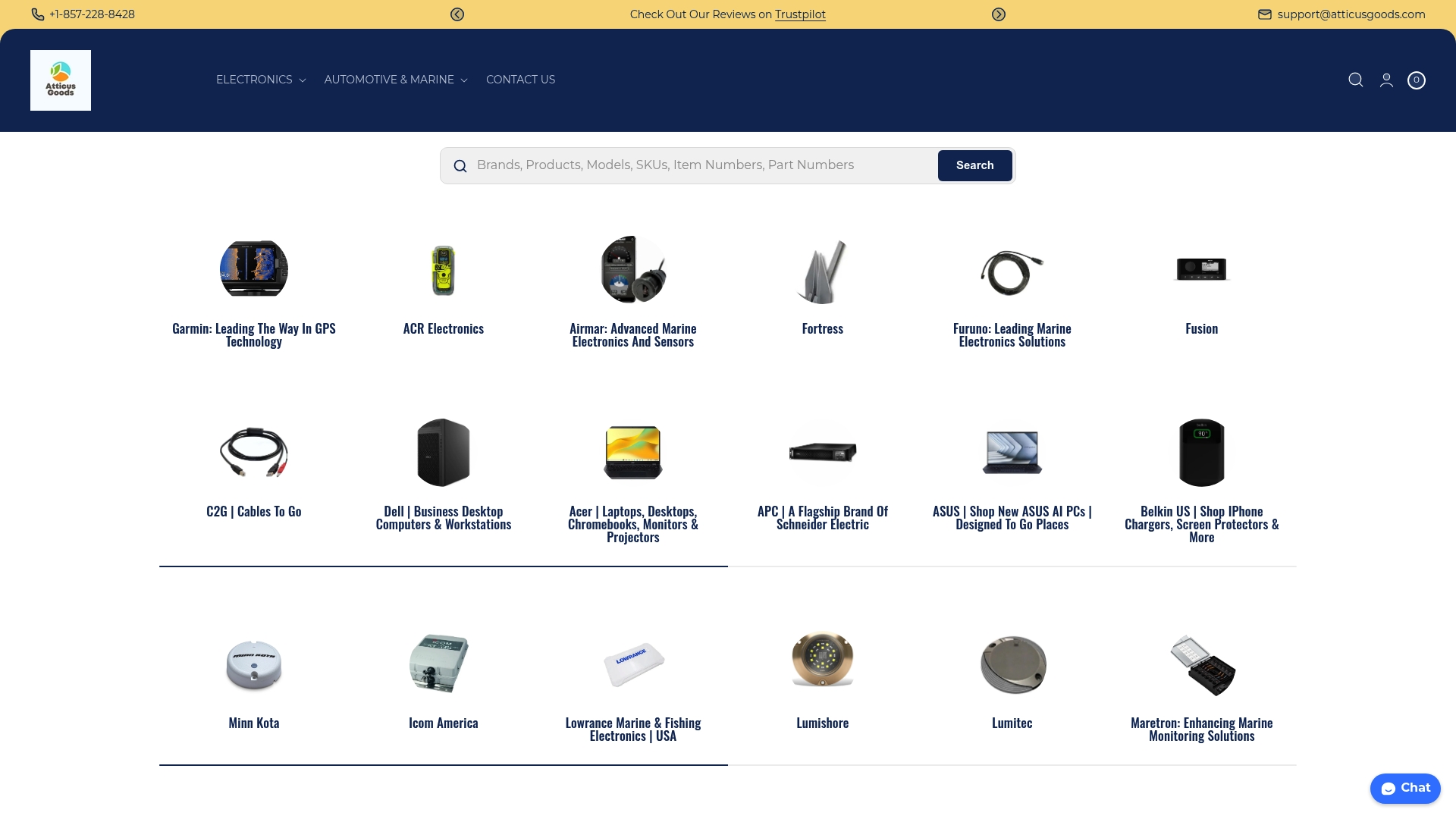
Atticus Goods is built for exactly this kind of buying. With over 90,000 products in stock, next-day shipping across the U.S., and pricing that reflects real volume economics, it’s a practical starting point for any small business ready to move from reactive spot buying to planned procurement. You’re not locked into a subscription or a minimum commitment. Browse the full catalog, check current pricing on the devices your team actually uses, and place your first consolidated order at Atticus Goods.
Key Takeaways
Bulk tech purchasing cuts costs on two fronts: lower unit prices through volume discounts and lower overhead from consolidated orders, procurement, and shipping.
| Point | Details |
|---|---|
| Volume discounts are substantial | Bulk sourcing discounts typically range from 15% to 40% off list price by leveraging economies of scale. |
| Timing multiplies savings | End-of-quarter purchases often produce better unit pricing due to vendor quota pressure. |
| Standardization cuts IT labor | A uniform hardware fleet requires one deployment image and reduces troubleshooting time significantly. |
| Budget predictability improves | Locking in bulk pricing shields businesses from supply chain volatility and spot-market price swings. |
| Atticus Goods fits this strategy | Over 90,000 in-stock products with next-day U.S. shipping and competitive pricing support planned bulk procurement. |