

Maximizing online electronics deals means paying the lowest verified price by combining price history tools, strategic timing, and stacked discounts. Bargain-hunters who rely on banner percentages alone consistently overpay. The real method uses tools like Keepa and CamelCamelCamel to confirm genuine price drops, targets major sales events like Amazon Prime Day and Black Friday, and layers cashback portals with coupon extensions and rewards cards. This guide gives you the exact system to build a disciplined deal radar, automate alerts, and avoid the hidden costs that quietly erase your savings.
What tools are essential for tracking online electronics deals?
Price history tools are the foundation of any serious deal strategy. Keepa and CamelCamelCamel both display a product’s full price timeline, so you can see whether a “sale” price is actually lower than the item’s average. Without this context, a 20% discount badge means nothing.

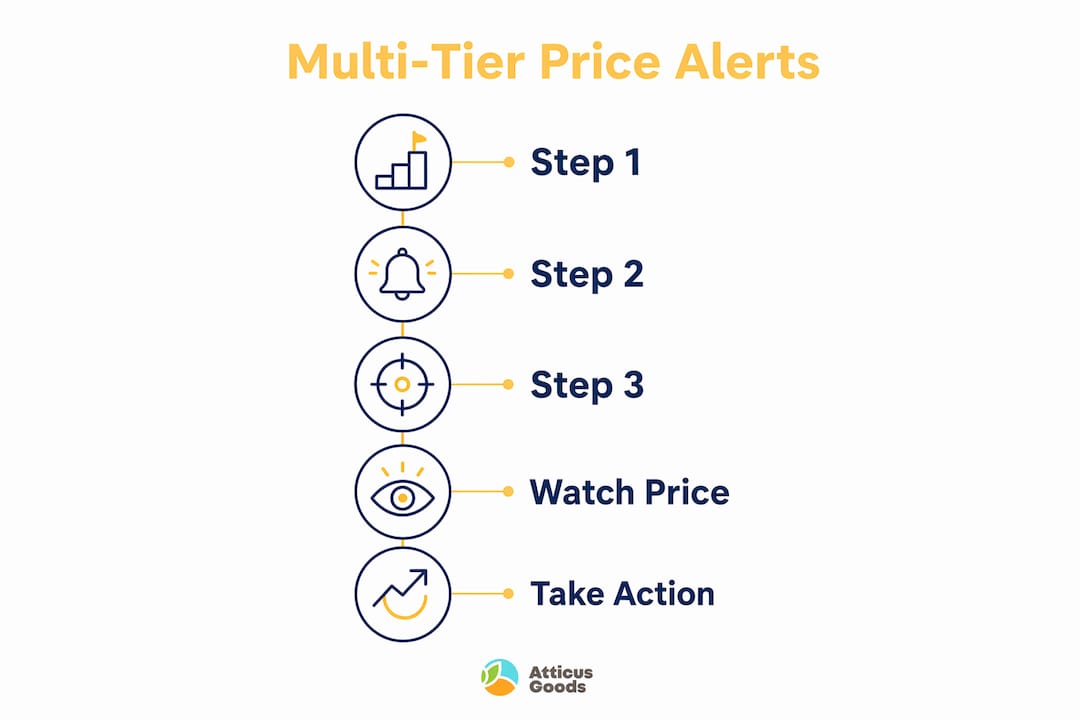
Setting up multi-tier price alerts
A three-tier alert system targets 10%, 20%, and 30%+ price drops with different response levels. A 10% drop means watch the item. A 20% drop means prepare to buy. A 30% drop means act immediately. This structure stops you from reacting to every minor fluctuation while keeping you ready for genuine bargains.
Browser extensions add another layer. Tools like Honey and Capital One Shopping automatically surface coupon codes at checkout. Cashback extensions from portals like Rakuten and TopCashback apply rebates on top of sale prices. Running both simultaneously stacks savings that no single coupon code can match.
Avoiding third-party seller traps
Seller alerts in tracking apps flag listings from unauthorized third-party vendors who often lack manufacturer warranties. This matters because a $50 discount from an unverified seller can cost you $200 in repair bills if the product has no warranty coverage. Always filter alerts to show only fulfilled-by-retailer or direct-brand listings.
- Use Keepa or CamelCamelCamel to verify price history before acting on any alert
- Set three alert thresholds: 10% (watch), 20% (prepare), 30% (buy now)
- Install a coupon extension and a cashback extension simultaneously
- Enable seller filters to exclude unauthorized third-party listings
- Use page change monitors like Distill.io for flash deals and limited inventory drops
Pro Tip: Configure your price alerts to notify you via SMS or Telegram rather than email. Real-time notifications let you act on flash deals before they sell out, while email alerts often arrive too late.
When should you buy electronics to get the best price?
Timing is the single biggest variable in discount electronics shopping. Amazon Prime Day 2026 runs june 23–26, with competing sales from major retailers starting june 22. That overlap creates genuine price competition, which benefits buyers who have already tracked baseline prices.
How to use major sales events without getting burned
Consumer Reports experts confirm that verifying genuine bargains on tested products matters more than chasing labeled discounts. A product marked “40% off” during Prime Day may have been inflated weeks earlier. Price history tools expose this tactic instantly.
Here is the timing sequence that works:
- Identify your target product at least 30 days before a major sale event and record its current price.
- Set a baseline alert in Keepa or CamelCamelCamel so you receive a notification if the price drops before the event.
- Compare sale-day prices against your recorded baseline, not against the retailer’s listed “original price.”
- Check competing retailers on the same day, since competing sales often match or beat the primary event’s discounts.
- Add to cart but delay checkout by 24 hours when possible, as prices sometimes drop further during the first day of a sale.
Why previous-generation models beat flash deals
Buying the previous generation of a flagship product after a new model launches delivers consistent savings. The iPhone 17 release pushed iPhone 16 prices down by $100, landing at $699 and $799. That is a permanent reduction, not a 48-hour flash deal. Previous-generation models retain flagship performance while the price drop is structural and lasting.
Pro Tip: Monitor inventory levels alongside price. When stock on a discounted item drops below 10 units, the deal is likely ending. Checkout fees and shipping costs also change during high-traffic sale periods, so always verify the final cart total before purchasing.
How to automate deal alerts and stack discounts for maximum savings
Stacking multiple discount sources produces savings that no single method can replicate. Combining cashback portals, credit card rewards, and retailer loyalty programs consistently beats any individual coupon code. The key is building a system that runs automatically so you capture deals without monitoring every product manually.
Building your automated stacking workflow
Automated stacking workflows combine cashback portals, credit card offers, and coupon extensions with real-time price checkers. Setting this up takes about 30 minutes but runs indefinitely. Start with these components:
- Price tracker alerts: Configure Keepa or CamelCamelCamel with your three-tier thresholds and connect to SMS via a webhook service like Zapier.
- Cashback portal: Activate Rakuten or TopCashback before every purchase session. These portals pay rebates of varying percentages depending on the retailer and product category.
- Coupon extension: Keep Honey or a similar tool active to auto-apply codes at checkout.
- Rewards credit card: Use a card that earns elevated points on electronics or online purchases. Stack these points with portal cashback for compounded returns.
- Gift card discount: Purchase retailer gift cards at a discount through secondary gift card marketplaces before applying them at checkout. This adds a flat percentage reduction before any other discount applies.
Pre-purchase verification checklist
| Step | Action |
|---|---|
| Verify price history | Confirm the sale price is below the 90-day average in Keepa or CamelCamelCamel |
| Check seller legitimacy | Confirm the listing is sold by the brand or an authorized retailer |
| Activate cashback portal | Open the retailer through Rakuten or TopCashback before adding to cart |
| Apply coupon codes | Let your coupon extension run at checkout before entering payment |
| Review final cart total | Check for shipping fees, taxes, and any removed promotions before confirming |
A hidden fee at checkout can erase a significant portion of your apparent savings. A $200 discount can shrink fast once shipping, taxes, and add-ons appear. Always review the final cart total as a separate step from evaluating the listed discount.
You can also learn the full method for stacking discount codes on electronics, which covers retailer-specific rules that affect whether multiple discounts apply simultaneously.
What are the most common mistakes when hunting electronics deals?
The most expensive mistake in discount electronics shopping is acting on a deal without verifying its legitimacy. Expired coupon codes, inflated “original” prices, and impulsive purchases during routine sales all erode savings that a disciplined buyer would keep.
Chasing a deal because it looks urgent is the fastest way to pay more than you should. The best bargains reward patience and preparation, not speed alone. Verify the price history, confirm the seller, and check the final cart total before you click buy.
How to confirm a genuine price drop
Price history verification separates real discounts from manufactured urgency. A 10% drop on a premium gadget represents meaningful savings only if that price has not appeared regularly over the past 90 days. If the item hits that price every few weeks, it is a cyclical fluctuation, not a deal.
Seller legitimacy is equally critical. Third-party seller visibility settings in tracking apps prevent accidental purchases from unauthorized listings that lack warranties. Always confirm the seller name before checkout, not after.
Hidden costs are the final trap. Shipping fees, state taxes, and add-on charges regularly change a $180 net savings into a $120 one. Review the itemized cart total as the last step before purchase, every time.
- Never act on a coupon code without confirming it is currently active
- Avoid buying during a sale just because a sale is happening
- Confirm the seller is authorized before completing any transaction
- Check whether the warranty is from the manufacturer or only the third-party seller
- If a deal disappears, set a new alert rather than accepting a higher price
Key takeaways
The most effective way to maximize online electronics deals is to combine verified price history, automated multi-tier alerts, and stacked discounts before every purchase.
| Point | Details |
|---|---|
| Use price history tools | Keepa and CamelCamelCamel confirm whether a sale price is genuinely below the 90-day average. |
| Set three-tier alerts | Thresholds at 10%, 20%, and 30% drops tell you when to watch, prepare, or buy immediately. |
| Stack multiple discounts | Combining cashback portals, coupon extensions, and rewards cards beats any single coupon. |
| Time purchases around launches | Previous-generation models drop permanently after new releases, unlike limited flash deals. |
| Verify before checkout | Always confirm seller legitimacy, warranty coverage, and the final cart total before paying. |
Why patience is the real deal-hunting skill
Most shoppers treat deal hunting as a reaction sport. An alert fires, they click, they buy. I spent years doing exactly that, and my savings were inconsistent at best.
The shift happened when I stopped reacting and started building. Setting up a structured alert system with three price thresholds changed how I approached every purchase. I stopped feeling urgency and started feeling prepared. That mental shift is worth more than any browser extension.
The part most guides skip is the value of building a deal radar around your actual replacement cycles. I track the products I know I will need in the next six months, not every gadget that looks interesting. That focus keeps the system manageable and the savings real.
Community deal forums add a layer of human intelligence that automation cannot replicate. Other shoppers catch errors, flag fake discounts, and share coupon stacks that no tool surfaces automatically. I treat those communities as a free research team. The combination of automation and community verification is where the real savings live.
Start with one product, one price tracker, and one cashback portal. Scale from there once the habit is set. The system compounds over time, and so do the savings.
— Matthew Vista
Where Atticus Goods fits into your deal strategy
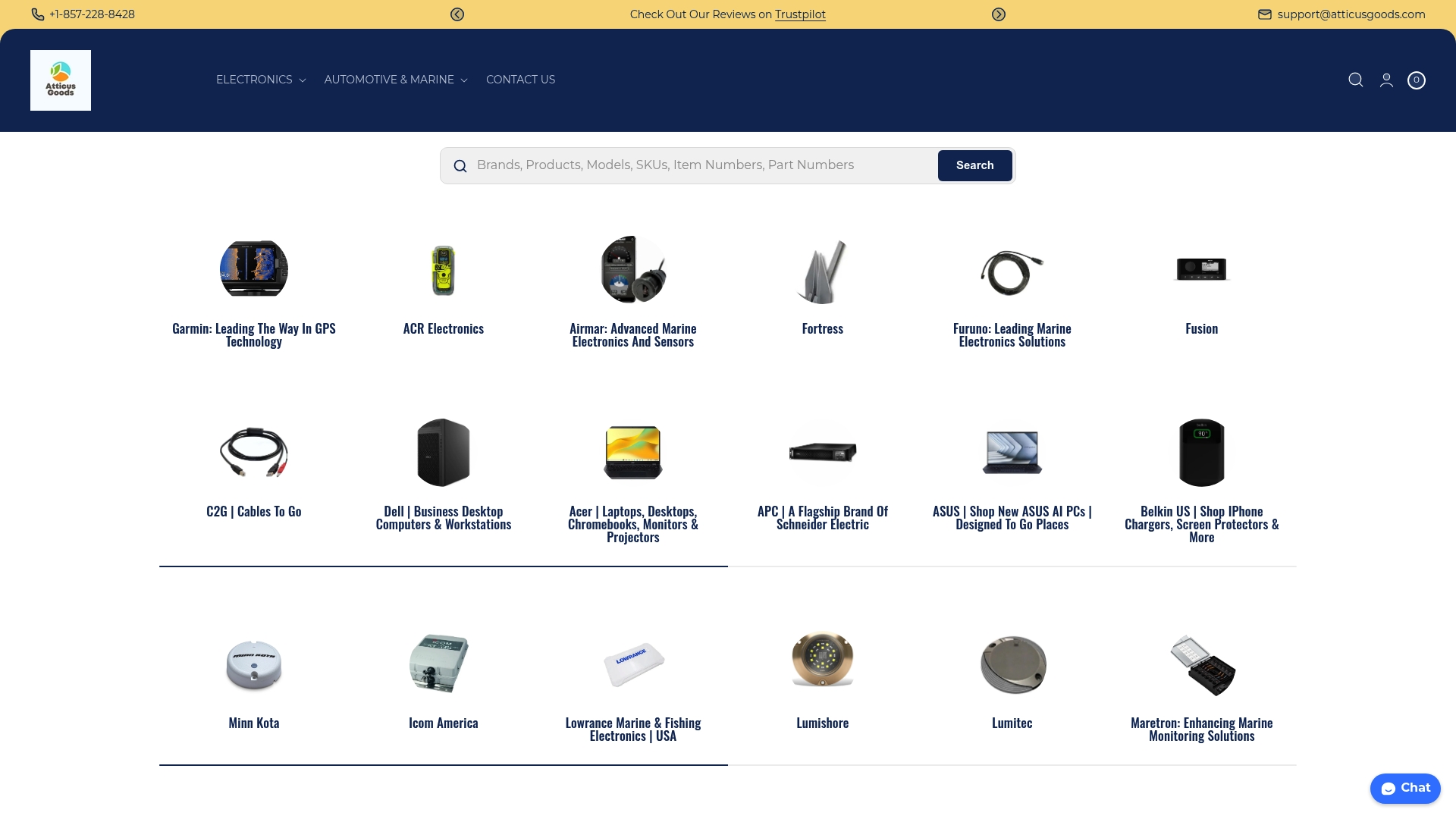
Atticus Goods carries over 70,000 in-stock products across consumer electronics, networking hardware, and marine gear, with next-day shipping across the United States. When your price alerts fire and you are ready to buy, having a reliable retailer with verified stock matters. Browse the full electronics catalog at Atticus Goods to find products from trusted brands like Logitech and Netgear at competitive prices. The Logitech Zone Wired Earbuds and Netgear ProSAFE Auxiliary Power Supply are two examples of in-stock items ready for fast delivery. Atticus Goods also features seasonal deals and customer reviews, so you can verify product quality before committing.
FAQ
What is the best tool to track electronics prices?
Keepa and CamelCamelCamel are the most reliable price history tools for electronics. Both display 90-day price charts that confirm whether a sale price is genuinely below average.
How do you stack discounts on electronics purchases?
Activate a cashback portal like Rakuten before shopping, apply coupon codes at checkout with a browser extension, and pay with a rewards credit card. Each layer adds savings on top of the last.
When is the best time to buy electronics online?
Amazon Prime Day (june 23–26 in 2026) and Black Friday offer the deepest discounts, but previous-generation model releases create permanent price drops that often match or beat seasonal sales.
How do you avoid fake deals on electronics?
Check the product’s 90-day price history in Keepa or CamelCamelCamel before buying. If the “sale” price appears regularly, it is not a genuine discount.
What hidden costs reduce electronics deal savings?
Shipping fees, state taxes, and checkout add-ons regularly reduce apparent savings. Always review the itemized cart total before confirming any purchase.