

Retail electronics bundles are defined as two or more products sold together as a single offer, typically at a lower combined price than buying each item separately. The industry uses the term “product bundling” to describe this merchandising strategy, and it covers everything from a laptop paired with a carrying case to a full conference room kit combining a camera, speaker, and controller. The five primary types of retail electronics bundles are pure bundling, mixed bundling, volume bundling, cross-sell bundling, and frequently bought together bundles. Each type serves a different buyer need, and mixed bundling is one of the most common strategies in e-commerce because it increases average order value while giving buyers the freedom to choose. Understanding which bundle type fits your situation saves money and prevents you from paying for products you will never use.
What are the main types of retail electronics bundles?
The five bundle types each follow a distinct logic, and knowing the difference helps you spot the best deal fast.
-
Pure bundling means the products are only available as a fixed package. You cannot buy the components separately at any price. Conference room kits are a classic example: a Logitech Tap + Lenovo ThinkSmart Core Gen 2 sold as a single Microsoft Teams Rooms base kit is a pure bundle. The retailer controls the configuration, and the buyer gets a tested, compatible system.
-
Mixed bundling lets you buy items individually or as a discounted package. This is the most flexible electronic bundle option. A wireless headset might sell for $120 on its own, but a bundle pairing it with a USB hub and webcam drops the total to $95. You keep the option to buy just the headset if that is all you need.
-
Volume bundling rewards quantity. Buy one networking switch and pay full price. Buy five and unlock a tiered discount. Small businesses purchasing equipment for multiple workstations benefit most from this structure. Volume deals are common on cables, chargers, routers, and other accessories that offices need in bulk.
-
Cross-sell bundling groups complementary products that solve a related problem together. A laptop is the anchor product, and the bundle adds a mouse, a sleeve, and a USB-C hub. The Logitech Video Conferencing Equipment Kit is a real-world example: camera, speakerphone, and controller sold as one package for a complete meeting room setup.
-
Frequently bought together bundles are driven by purchase data. Retailers analyze what customers actually buy at the same time and surface those combinations as a suggested package. These bundles feel natural because they reflect real buying behavior rather than a retailer’s inventory goals.
Pro Tip: If you see a “frequently bought together” offer, check whether the suggested items match your actual use case. Data-driven bundles are accurate on average, but your specific setup may need a different accessory.
How do savings and pricing strategies differ across electronics bundles?

Bundle discounts are not uniform. The type of bundle and the product category determine how deep the savings go.
Physical electronics bundles during major retail events can reach discounts of up to 45% off MSRP. Retailers offer aggressive discounts on laptops, TVs, and headphones during holidays like the Fourth of July, with specific deals such as $250 off iPad Air models and up to $1,600 off 65-inch OLED TVs. That scale of discount is rare outside of seasonal events, so timing your bundle purchase matters.
Digital and software bundles operate differently. Because the incremental cost of delivering a digital product is near zero, digital bundles can offer savings exceeding 80% compared to buying each item individually. A software suite valued at $1,485 might sell as a complete bundle for a fraction of that price. Physical product bundles cannot match this math because manufacturing and shipping costs set a floor on discounts.
Tiered pricing is common in software bundles. A buyer who already owns a basic package can upgrade to a premium bundle at a steep discount after ownership verification. This structure rewards loyalty and encourages buyers to stay within one ecosystem rather than mixing products from different sources.
| Bundle type | Typical discount range | Best for |
|---|---|---|
| Pure bundle | 10%–25% vs. individual MSRP | Buyers who need a complete, tested system |
| Mixed bundle | 15%–30% off combined price | Buyers who want flexibility with savings |
| Volume bundle | Scales with quantity ordered | Small businesses buying in bulk |
| Cross-sell bundle | 10%–20% on accessories | Buyers adding complementary gear |
| Digital/software bundle | Up to 80%+ off total value | Power users needing full feature sets |
Pro Tip: Stack a seasonal sale with a volume bundle when buying for a team. Learning how to stack discount codes on electronics purchases can push your total savings well beyond what either deal offers alone.
What are popular retail electronics bundle categories and use cases?
Bundle categories in electronics map closely to the situations buyers find themselves in. The most useful way to think about them is by the problem they solve.
-
Essentials bundles cover the basics: cables, chargers, and adapters grouped for a specific device. These target impulse buyers and first-time device owners who need everything at once. Margins are lower for retailers, but sell-through rates are high because the need is obvious.
-
Complete solution bundles go further. A laptop, wireless mouse, sleeve, and USB hub sold together gives a remote worker or student everything needed to be productive on day one. Accessory bundles designed around specific buyer needs consistently increase average order value because they remove the friction of hunting for compatible parts separately.
-
Desk setup bundles target home office buyers and small business owners outfitting workstations. A typical package might include a monitor, keyboard, mouse, and webcam. The appeal is compatibility: every item in the bundle is confirmed to work together.
-
Travel kits group portable chargers, protective cases, compact adapters, and noise-canceling headsets. These bundles serve frequent travelers who need reliable gear that fits in a carry-on.
-
Power and connectivity kits combine surge protectors, power banks, and multi-port hubs. These are popular with small businesses setting up new offices or expanding existing ones.
-
Customizable bundles let buyers select specific components from a defined list. Custom bundle options reduce the risk of paying for products you do not need, and they tend to produce higher buyer satisfaction because the final package reflects actual requirements rather than a retailer’s default grouping.
Pro Tip: For small business purchases, prioritize complete solution bundles or customizable bundles over essentials bundles. The higher upfront cost is usually offset by the time saved sourcing compatible accessories individually.
How do retail electronics bundles impact purchasing decisions and business outcomes?
Bundling changes how buyers think about a purchase. Instead of evaluating five separate products, a buyer evaluates one offer. Bundling simplifies the customer’s buying experience by collapsing multiple decisions into a single choice, which reduces hesitation and speeds up the path to purchase.
“Bundles designed around customer jobs to be done often yield higher satisfaction and repeat purchases compared to forced or arbitrary groupings. When the bundle solves a real problem, buyers feel confident they made the right call.”
For retailers, bundles serve a different purpose. They improve sell-through rates on slower-moving accessories by pairing them with high-demand anchor products. A webcam that sits in inventory for weeks moves faster when it is part of a home office bundle anchored by a popular laptop stand.
The distinction between bundling and kitting matters for business buyers. Kitting involves physical pre-assembly into a single SKU, while bundling typically links separate SKUs digitally with a combined discount. Kitted products ship as one unit, which simplifies receiving and asset tracking for businesses. Digitally bundled products may ship separately, which affects delivery timing.
Data-driven recommendation engines power the best frequently bought together bundles. Retailers analyze real transaction data to surface combinations that convert well. For buyers, this means the suggested bundle has been validated by thousands of actual purchases, not just a merchandiser’s guess.
Key Takeaways
The most effective retail electronics bundle is one that matches a specific use case, not the one with the largest headline discount.
| Point | Details |
|---|---|
| Know your bundle type | Pure, mixed, volume, cross-sell, and frequently bought together bundles each serve different needs. |
| Timing drives savings | Physical bundle discounts peak during major retail events, reaching up to 45% off MSRP. |
| Digital bundles go deeper | Software and digital bundles can exceed 80% savings due to near-zero incremental delivery costs. |
| Match bundle to use case | Essentials, complete solution, and customizable bundles each target a different buyer situation. |
| Bundling vs. kitting matters | Kitted products ship as one unit; digitally bundled products may ship separately, affecting delivery. |
Why I always check the bundle type before I buy
Most buyers focus on the discount percentage and stop there. That is the wrong instinct. I have bought bundles that looked great on paper and ended up with three items I already owned and one I actually needed. The discount was real, but the value was not.
The bundle type tells you more than the price does. A pure bundle locks you into a fixed configuration. If you need flexibility, a mixed bundle is the better call even if the discount is slightly smaller. Customizable bundles are worth the extra research time, especially for business purchases where every item needs to earn its place.
Seasonal sales are where the real physical bundle deals appear. Watching for major retail events and knowing which bundle category fits your current need puts you in a position to act fast when the right offer appears. Volume deals reward patience too. If you know you will need five units over the next quarter, buying them as a volume bundle in one order almost always beats buying them one at a time.
The one mistake I see small business buyers make repeatedly is treating all bundle types as equivalent. They are not. A cross-sell bundle built around a product you already own is a bad deal regardless of the discount. A complete solution bundle for a new workstation setup is often the most cost-effective purchase you can make.
— Matthew Vista
Electronics bundles available at Atticus Goods
Atticus Goods carries over 70,000 in-stock products, including a range of curated electronics packages built for both individual buyers and small business teams.
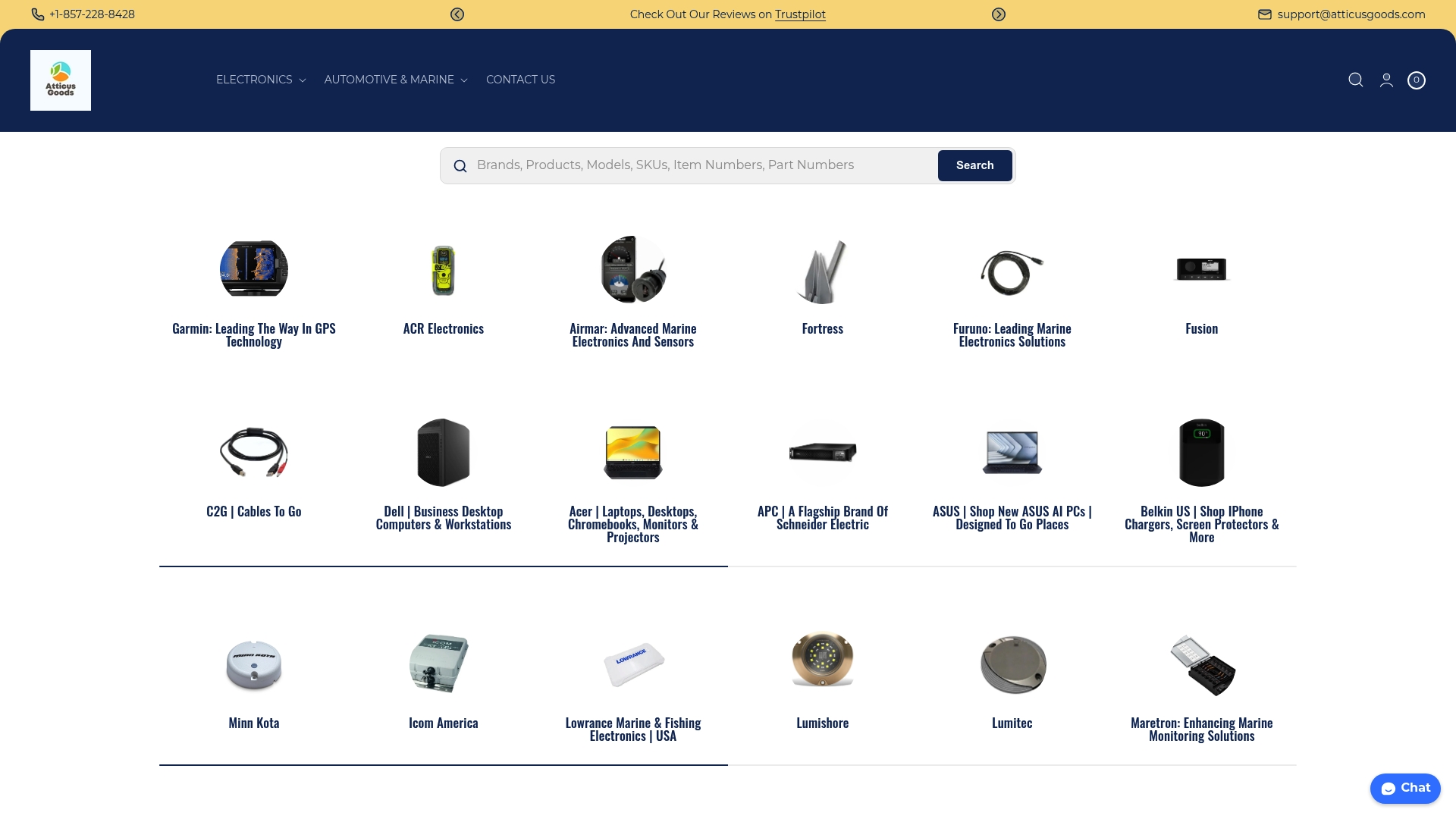
The catalog includes conference room kits, professional headsets like the Logitech Zone Wireless 2 ES for Business, and full meeting room systems combining displays, cameras, and controllers. Next-day shipping across the United States means your bundle arrives when you need it, not a week later. Browse the full Atticus Goods catalog to find bundle offers on devices that match your setup, budget, and timeline.
FAQ
What is the difference between pure and mixed bundling?
Pure bundling means products are only sold together and cannot be purchased separately. Mixed bundling offers the same items individually or as a discounted package, giving buyers more flexibility.
Which bundle type offers the biggest discount?
Digital and software bundles consistently offer the deepest discounts, sometimes exceeding 80% off the combined individual price. Physical electronics bundles typically reach 20%–45% off during major retail sales events.
Are customizable electronics bundles worth it?
Customizable bundles are worth it when you need specific components and want to avoid paying for items you already own. They tend to produce higher satisfaction because the final package reflects your actual requirements.
What is the difference between kitting and bundling?
Kitting involves physically assembling products into a single SKU before shipping. Bundling links separate SKUs digitally with a combined discount, meaning items may ship independently.
When is the best time to buy retail bundle deals?
Major retail holidays like the Fourth of July, Black Friday, and back-to-school season produce the deepest discounts on physical electronics bundles, with savings reaching up to 45% off MSRP on laptops, TVs, and headphones.